Legal & Finance in Crypto: Regulations, Bans, and Compliance

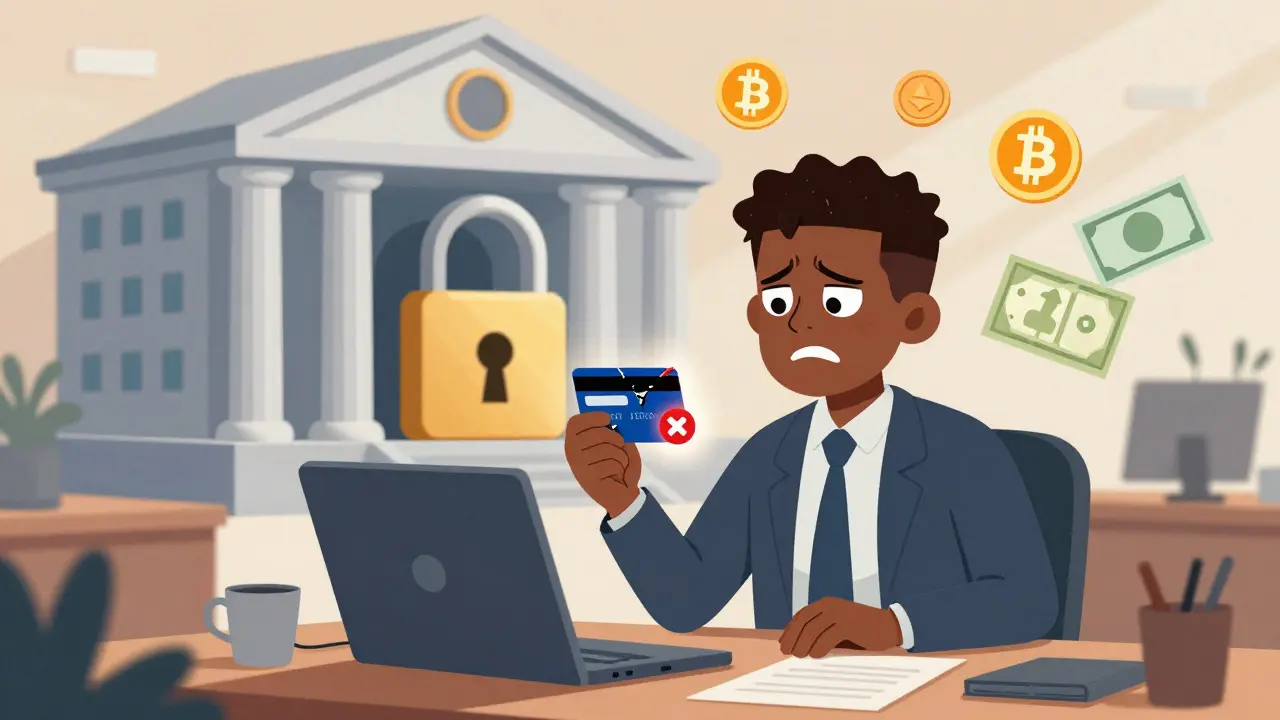
When navigating Legal & Finance, the intersect of law, financial rules, and cryptocurrency that determines how digital assets are created, traded, and protected. Also known as crypto compliance, it sets the stage for everything from exchange listings to asset seizure.

One of the core pillars is crypto regulation, the body of rules that governments and regulators apply to blockchain projects and trading platforms. These rules dictate licensing, reporting, and tax obligations. They also drive Legal & Finance decisions for investors who need to know which jurisdictions are friendly and which impose heavy burdens.

Another critical piece is KYC data security, the practice of protecting identity verification information while meeting anti‑money‑laundering (AML) requirements. Strong KYC safeguards keep user data safe and ensure exchanges stay on the right side of the law. When KYC practices falter, regulators often clamp down with bans or fines.

How These Elements Interact

Legal & Finance encompasses regulatory compliance, enforcement actions, and market infrastructure. It requires crypto regulation to define what is permissible, while KYC data security provides the tools to enforce those rules. Stablecoin restrictions influence market liquidity, and exchange bans reshape where traders can operate. Together they form a feedback loop: stricter rules push platforms to improve security, which in turn can ease regulatory pressure.

Take the European Union’s MiCA framework as an example. The regulation classifies tokens as e‑money or asset‑referenced, then applies specific licensing and reporting standards. This classification directly impacts stablecoin restrictions, forcing issuers to adjust reserve holdings and audit processes. The ripple effect shows how a single policy change can reshape compliance workloads across the entire crypto ecosystem.

In Asia, the Financial Intelligence Unit (FIU) in India mandates that every crypto exchange register, file periodic reports, and implement rigorous KYC checks. Platforms that ignore these requirements face outright bans, as seen with several exchanges listed in our “Banned in India” guide. The FIU’s stance illustrates how national regulators wield legal power to shape market participation.

North America presents a different angle. The U.S. Office of Foreign Assets Control (OFAC) uses sanctions to block specific jurisdictions, like Iran, from accessing major exchanges. Compliance teams must filter wallets and transaction data to avoid illicit flows. When they slip up, assets can be seized, leading to the global asset forfeiture trends covered in our seizure overview.

Philippines regulators have introduced the Crypto Asset Service Provider (CASP) rule, targeting platforms like Binance and Bitget. The rule tightens reporting, mandates capital buffers, and forces exchanges to register with the securities commission. Traders who ignore the rule risk losing access or facing penalties, highlighting the direct link between legal mandates and everyday trading.

All these scenarios share a common thread: without a solid understanding of Legal & Finance, participants can quickly run afoul of the law. Whether you’re a developer building a DeFi app, an investor seeking low‑tax jurisdictions, or a trader picking a compliant exchange, the same concepts apply. Our collection below breaks down each area with real‑world examples, step‑by‑step guides, and actionable checklists.

Ready to see how these pieces fit together? Below you’ll find in‑depth articles that walk you through sanctions, bans, stablecoin rules, KYC protection, and global seizure practices, giving you the context you need to stay compliant and confident in the fast‑moving crypto world.


Thailand Crypto Penalties 2026: Fines, Jail Time & Platform Bans Explained

Thailand Crypto Penalties 2026: Fines, Jail Time & Platform Bans Explained

Thailand's 2025 crypto laws bring severe penalties for non-compliance, including jail time for mule accounts and platform bans. Learn how the SEC's new rules affect traders and businesses.

Read More
AUSTRAC Crypto Licensing: A Guide to Australian Regulations for 2026

AUSTRAC Crypto Licensing: A Guide to Australian Regulations for 2026

Guide to AUSTRAC crypto licensing and regulations in Australia for 2026. Learn about AML/CTF requirements, the Travel Rule, and compliance deadlines.

Read More
Are Crypto Payments Allowed in Nigeria? Legality and Rules for 2026

Are Crypto Payments Allowed in Nigeria? Legality and Rules for 2026

Are crypto payments legal in Nigeria? Explore the latest 2026 rules, ISA 2025 legality, SEC licensing, and the new crypto tax regime for individuals and businesses.

Read More
Malta Blockchain Island Strategy: A Guide for Crypto Businesses

Malta Blockchain Island Strategy: A Guide for Crypto Businesses

Explore Malta's 'Blockchain Island' strategy. Learn about the VFA framework, MiCA compliance, and how to reduce corporate tax to 0-5% for crypto businesses.

Read More
Hong Kong Virtual Asset Regulations 2025: A Guide for Crypto Firms

Hong Kong Virtual Asset Regulations 2025: A Guide for Crypto Firms

A clear breakdown of Hong Kong's 2025 virtual asset regulations, focusing on the Stablecoins Ordinance, SFC licensing, and compliance for crypto firms.

Read More
Japan FSA Crypto Oversight: Navigating Strict Compliance in 2026

Japan FSA Crypto Oversight: Navigating Strict Compliance in 2026

Explore the strict FSA crypto oversight in Japan, from cold wallet mandates to the shift toward FIEA securities laws for digital assets in 2026.

Read More
Crypto Restrictions in Qatar: What You Need to Know for 2026

Crypto Restrictions in Qatar: What You Need to Know for 2026

Navigating crypto restrictions for Qatar residents in 2026. Learn about banned cryptocurrencies, legal tokenized assets, and the QFC 2024 regulatory framework.

Read More
South Korea Crypto Exchange Regulations: FSC Rules Explained for 2026

South Korea Crypto Exchange Regulations: FSC Rules Explained for 2026

Understanding the strict and evolving cryptocurrency regulations enforced by South Korea's Financial Services Commission, covering exchange licensing, security standards, and investor protections.

Read More
Document Forgery for Crypto Exchange Access: Legal Consequences You Can't Ignore

Document Forgery for Crypto Exchange Access: Legal Consequences You Can't Ignore

Using fake documents to access crypto exchanges is a federal crime with severe penalties, including prison time and asset forfeiture. Regulators are actively tracking and prosecuting these cases.

Read More
Crypto Tax Enforcement and Penalties in India: What You Need to Know in 2026

Crypto Tax Enforcement and Penalties in India: What You Need to Know in 2026

India taxes crypto gains at 30% with a 1% TDS on every trade and 18% GST on platform services. Losses can't be offset, and penalties for non-compliance can reach 200% of unpaid tax. Here's what you need to know in 2026.

Read More
Bangladesh Remittances: Why Crypto Is Banned and How It Works Today

Bangladesh Remittances: Why Crypto Is Banned and How It Works Today

Bangladesh's remittances hit $30B in 2025, yet crypto use for sending money home is illegal. Discover why, how remittances work today, challenges like high fees, and future digital solutions. Learn legal alternatives for faster transfers.

Read More
Can Businesses in Russia Accept Crypto Legally? Rules, Exceptions, and Real-World Risks

Can Businesses in Russia Accept Crypto Legally? Rules, Exceptions, and Real-World Risks

In Russia, businesses can't legally accept crypto for domestic payments. Only giant firms in the ELR program can use Bitcoin or Ethereum for international trade - and even then, only under strict rules. For everyone else, it's illegal and risky.

Read More