DeFi Loans: How Borrowing Crypto Works and Where to Do It Safely
When you take out a DeFi loans, borrowing cryptocurrency without a bank by locking up your own crypto as collateral. Also known as crypto lending, it lets you access cash or stablecoins without selling your Bitcoin or Ethereum. Unlike traditional banks, no credit check. No paperwork. Just a smart contract that freezes your crypto until you pay back the loan—with interest.
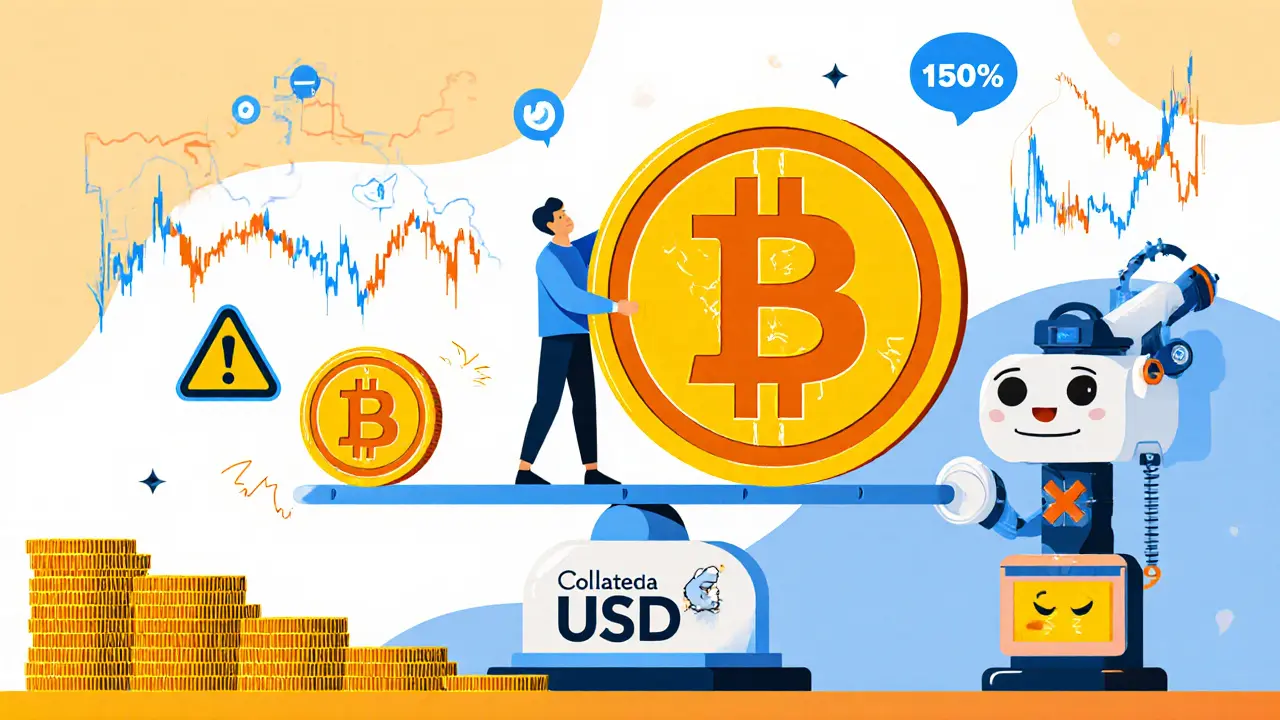
DeFi loans rely on collateralized loans, loans backed by digital assets that can be automatically seized if you default. Most platforms require you to lock up more crypto than you borrow—often 150% or more—to protect lenders from price drops. If your collateral value falls too far, the system sells part of it to cover the loan. This is called liquidation, and it’s why people lose money even when they meant to borrow responsibly.
These loans run on decentralized finance, a system of financial apps built on public blockchains that don’t need intermediaries like banks or brokers. Platforms like Aave, Compound, and MakerDAO handle the lending, but you interact directly with their code. That means no middleman—but also no customer service if something goes wrong. You’re responsible for tracking your loan-to-value ratio, paying interest on time, and understanding the risks.
Some users use DeFi loans to avoid taxes by borrowing against their crypto instead of selling. Others use them to buy more crypto, betting prices will rise. But the real power? Getting liquidity without giving up your long-term holdings. If you own ETH and need USD for rent, you can lock your ETH and get a stablecoin loan—no IRS form required.
But not all DeFi loans are created equal. Some platforms have weak security, bad code, or hidden fees. Others offer crazy high interest rates because they’re risky or outright scams. That’s why you’ll find reviews here of real platforms—some working, some dead, some barely hanging on. You’ll see which ones still have active users, which ones got hacked, and which ones quietly disappeared.
And while DeFi loans are global, your access isn’t. Some countries block access to certain protocols. Others make it illegal to use non-custodial wallets. That’s why you’ll also find guides on how to use these loans safely in places where banks won’t touch crypto—like Iran, Colombia, or anywhere with capital controls.
What you’ll find below isn’t theory. It’s real-world checks on platforms, tools, and strategies people actually use. From how to avoid liquidation to which lending protocols still work after the 2022 crash, these posts cut through the hype. You’ll learn what’s still alive in 2025, what’s dead, and what you should never touch—even if it promises 20% APY.
15
Nov
Over-collateralization in crypto lending means depositing more crypto than you borrow to protect lenders from price swings. It's the foundation of DeFi loans, enabling secure borrowing without credit checks - but it comes with risks and costs.
Read More