Crypto Swap Platforms: What They Are, How They Work, and Which Ones to Avoid
When you trade crypto without using a central exchange like Coinbase or Binance, you’re likely using a crypto swap platform, a decentralized system that lets users exchange one cryptocurrency for another directly from their wallets. Also known as a decentralized exchange, or DEX, it removes middlemen by using smart contracts to match trades automatically. This sounds simple, but not all swap platforms are built the same. Some are secure, transparent, and widely used. Others are dead apps with zero volume, fake tokens, or outright scams designed to drain your wallet.
What makes a good crypto swap platform? It needs liquidity—meaning enough users trading the coins you want. It needs security—no known hacks, audited code, and clear team transparency. And it needs activity—trading volume that doesn’t drop to zero overnight. Look at platforms like Uniswap or PancakeSwap. They’re alive because people use them daily. Now compare that to platforms like MakiSwap or AfroDex, which show up in search results but have no trading, no updates, and no users. These aren’t just inactive—they’re digital ghosts. Scammers often clone names like these to trick people into connecting wallets and losing funds.
Many crypto swap platforms run on DeFi, a system of financial tools built on blockchain that operates without banks or brokers. That’s why you’ll see terms like liquidity pools, impermanent loss, and automated market makers. These aren’t just jargon—they’re real risks. If you’re swapping tokens on a low-liquidity DEX, you could lose money even if the price doesn’t move. And if the platform’s code hasn’t been audited? You’re gambling with your crypto. That’s why posts here warn about fake exchanges like Piyasa, Coinopts, and MakiSwap. They look real. They have websites. But they have no reserves, no audits, and no users.
Some platforms try to hide behind gimmicks—airdrops, fake token launches, or social trading features. RAI Finance, for example, lets you copy other traders. Sounds smart, right? But if the platform’s own token is barely traded, and the people you’re copying are bots or insiders, you’re just feeding the machine. The same goes for tokens like DSG or HAI, where fake airdrops lure you into paying fees just to join a dead project.
Bottom line: crypto swap platforms give you freedom, but freedom without knowledge is dangerous. You don’t need to be a coder to use them—but you do need to know what to look for. Check trading volume. Look for audits. Avoid platforms with no history and no reputation. Stick to ones with real users, not just marketing pages. The posts below show you exactly what to avoid, what still works, and how to spot the difference before you connect your wallet.
5
Dec
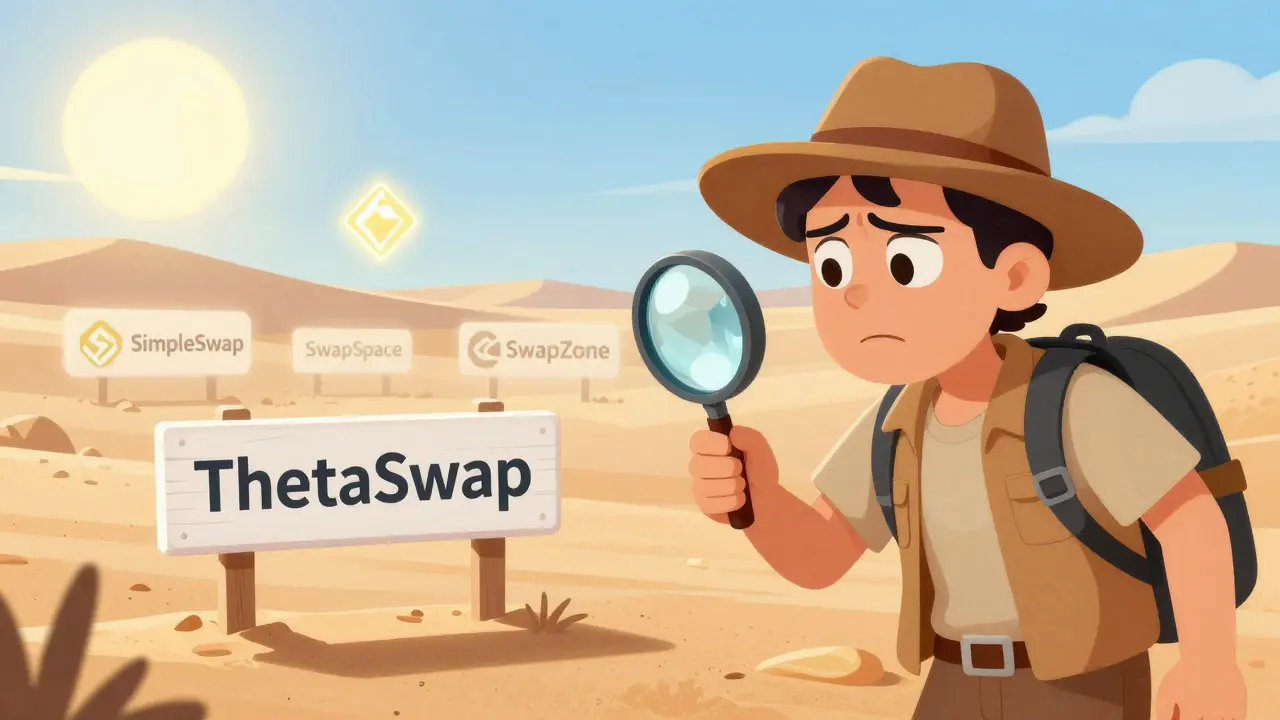
There's no ThetaSwap exchange - but you can trade THETA on platforms like SimpleSwap and SwapSpace. Learn how to buy, store, and avoid common mistakes with THETA crypto in 2025.
Read More