Crypto Mining in Iran: Risks, Reality, and What You Need to Know
When you hear crypto mining in Iran, the practice of using computer hardware to validate blockchain transactions and earn cryptocurrency rewards, often under strict government restrictions. Also known as underground Bitcoin mining, it’s one of the few places where electricity costs are low enough to make mining profitable—even when it’s illegal. Unlike countries that welcome miners with tax breaks, Iran treats it as a gray-area activity: banned for individuals, tolerated for state-backed operations, and heavily monitored by authorities.
This isn’t just about hardware and hash rates. Bitcoin mining, the process of securing the Bitcoin network by solving complex math problems in exchange for newly minted coins in Iran relies on massive, unregulated power grids. The government has cracked down on miners using subsidized electricity, seizing rigs and shutting down farms. Yet, miners keep coming back—because the rewards still outweigh the risks. cryptocurrency regulation, the set of laws and enforcement actions that determine whether mining, trading, or holding digital assets is allowed here is messy. One day, the state might ban it. The next, it might quietly license a mining facility to earn foreign currency.
What you won’t find in official reports is the real story: thousands of Iranians running rigs in basements, garages, and even apartments. They use VPNs to hide their IP addresses, barter electricity with neighbors, and trade mined coins on peer-to-peer platforms like LocalBitcoins. It’s not glamorous. It’s not safe. But it’s real. And it’s growing. The Iran crypto ban, a series of government decrees restricting crypto transactions and mining activities to prevent capital flight and maintain control over the national currency has pushed the market underground, not out of existence. Similar patterns show up in China’s underground crypto trading—where $86.4 billion was moved despite a total ban.
There’s no official data on how many miners are active today. But one thing’s clear: if you’re thinking about mining in Iran, you’re not just fighting technical challenges—you’re playing a high-stakes game with the law. The machines can overheat. The power can cut out. The police can show up. And if you’re caught, you might lose everything. Yet, people still do it. Why? Because in a country with hyperinflation and limited banking access, crypto isn’t just a tech trend—it’s survival.
Below, you’ll find real-world breakdowns of what’s happening on the ground. From how miners bypass restrictions to which exchanges still allow Iranian users to cash out, these posts cut through the noise. You’ll see what works, what’s a scam, and what’s simply too dangerous to touch. No fluff. No hype. Just what you need to know if you’re even considering stepping into this world.
4
Dec
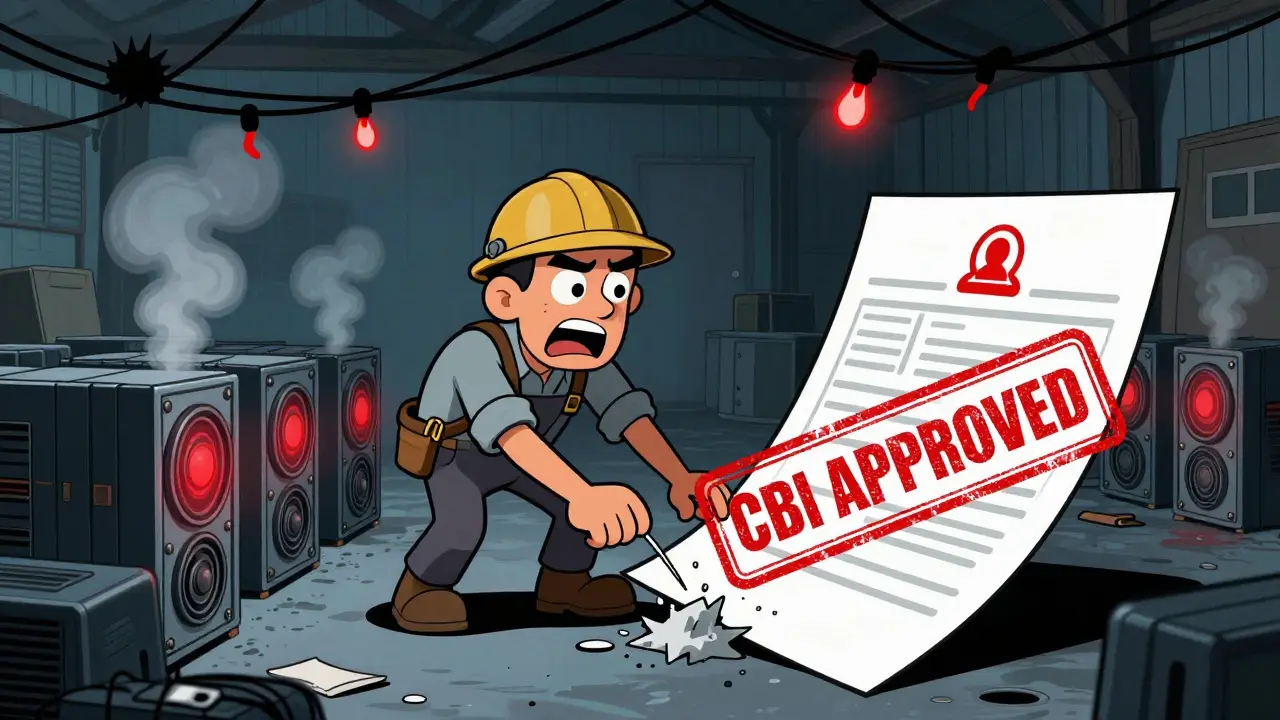
Iran permits crypto mining under strict state control, but power shortages, political favoritism, and sudden bans make it risky. Legal miners face high costs and surveillance, while state-linked groups operate unchecked.
Read More