Colombia Cryptocurrency Regulations: What You Need to Know in 2025
When it comes to Colombia cryptocurrency regulations, the legal framework governing digital asset use, trading, and taxation in Colombia. Also known as crypto laws in Colombia, it’s a mix of cautious oversight and growing acceptance—especially as more Colombians turn to crypto to protect savings and bypass banking limits. Unlike countries that ban crypto outright, Colombia doesn’t outlaw it, but it doesn’t fully embrace it either. The government treats crypto as an asset, not currency, which changes how you report it, trade it, and even bank with it.
This matters because crypto banking Colombia, the ability to link crypto activity to traditional bank accounts in Colombia. Also known as crypto-friendly banks Colombia, it’s still a challenge. Most major banks refuse to touch crypto-related accounts, forcing users into gray areas or non-custodial wallets. Meanwhile, crypto taxation Colombia, how the Colombian tax authority (DIAN) tracks and taxes crypto gains. Also known as crypto income reporting Colombia, requires you to declare profits from trades, staking, or airdrops—just like you would with stocks or rental income. Miss this, and you risk fines or audits. And if you’re using a crypto exchange Colombia, any platform that lets you buy, sell, or trade crypto within or for Colombian pesos. Also known as local crypto platforms Colombia, you need to know whether it’s registered with the Superintendencia Financiera. Unregulated exchanges might let you trade, but they offer no legal protection if things go wrong.
What you’ll find in these posts is real-world insight into how Colombian crypto users are adapting. You’ll see how people use non-custodial wallets to stay in control when banks shut them out. You’ll learn how geographic restrictions on global exchanges affect traders in Bogotá or Medellín. You’ll even find stories of how OFAC sanctions indirectly touch Colombian users through frozen funds or blocked KYC checks. This isn’t theory—it’s what people are dealing with right now.
If you’re in Colombia and holding crypto, you’re not just investing—you’re navigating a legal gray zone. The rules are still being written, but your actions today shape your risk tomorrow. These posts give you the facts, not the fluff, so you can trade, store, and report with confidence—without guessing what the law might do next.
1
Nov
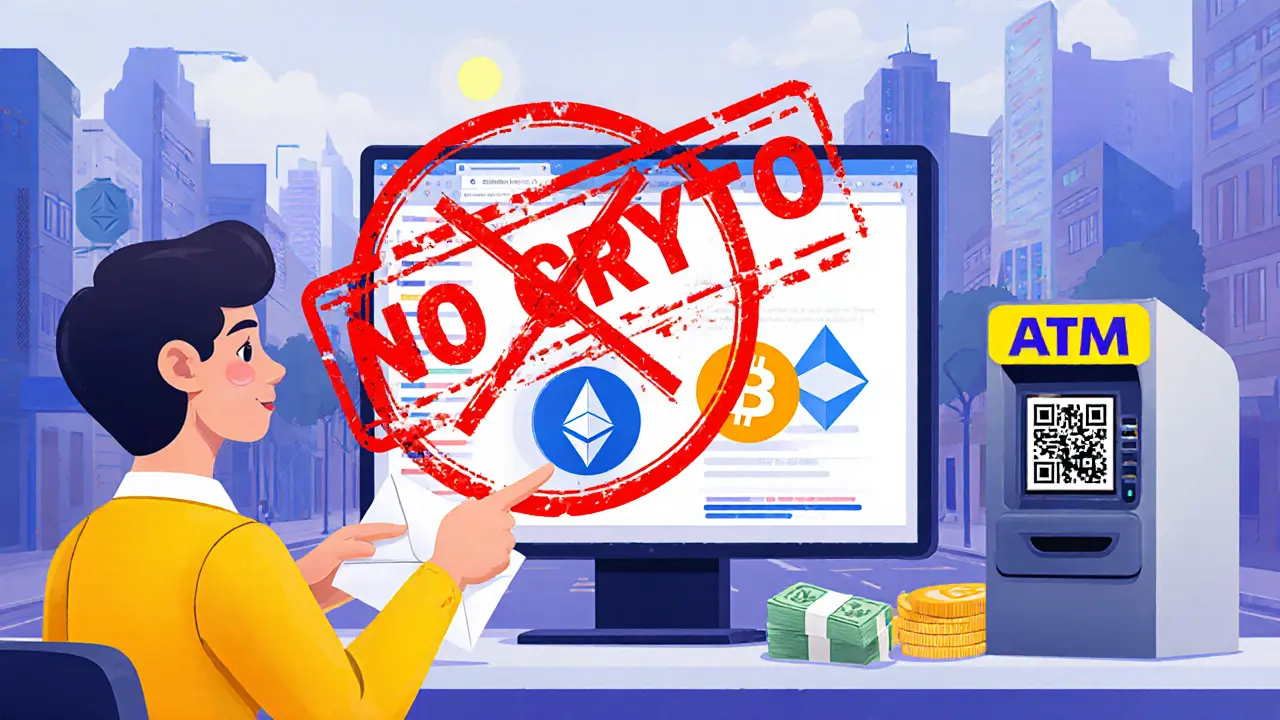
Colombia bans banks from handling crypto transactions, but citizens still trade crypto via P2P platforms. Learn how the SFC's restrictions work, who's affected, and what's next for crypto in the country.
Read More