Non-Custodial Wallet: Take Full Control of Your Crypto
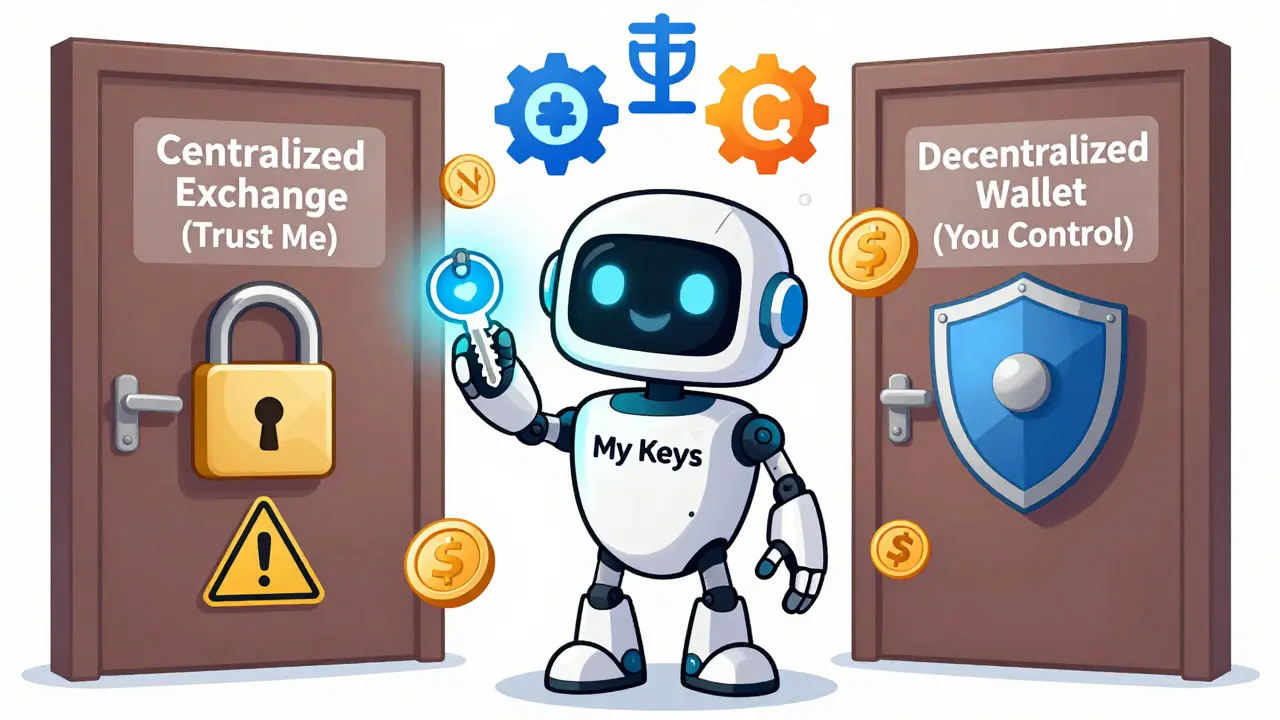
When you use a non-custodial wallet, a type of cryptocurrency wallet where you hold your own private keys and have full control over your funds. Also known as self-custody wallet, it means no exchange, bank, or third party can freeze, seize, or access your crypto—unless you give them the key. This isn’t just a tech detail; it’s the core promise of blockchain: ownership without permission.
That’s why private key, the secret code that proves you own your crypto and lets you spend it. Also known as seed phrase, it’s the only thing standing between you and losing everything matters more than your password or email. If you lose it, your crypto is gone forever. If someone else gets it, they own your money. There’s no customer support line to call. No reset button. No recovery email. That’s the trade-off: total control means total responsibility.
Most people start with centralized exchanges, platforms like Coinbase or Binance that hold your crypto for you. Also known as custodial wallets, they’re easy to use but you’re trusting someone else with your assets. But when you move beyond trading and start using DeFi, staking, or airdrops, you need a non-custodial wallet. That’s where MetaMask, Trust Wallet, or Phantom come in—they don’t ask for your ID, don’t track your transactions, and don’t hold your keys. They just give you a tool to interact with the open blockchain.
You’ll see this in action across the posts below. From Iranian traders using DEXs to bypass government blocks, to users claiming airdrops that only work with self-hosted wallets, to exchanges like GalaxyOne that still lock your crypto behind KYC—every story ties back to who really owns your money. Some posts warn about scams targeting people who don’t understand private keys. Others show how blockchain analytics firms track wallets to enforce sanctions. And some explain why quantum-resistant cryptography might one day change how those keys are generated.
Whether you’re new to crypto or you’ve been trading for years, if you’re not using a non-custodial wallet for anything beyond short-term trading, you’re not fully in control. The posts here cut through the noise. No fluff. No hype. Just clear, real-world examples of how non-custodial wallets work, where they fail, and how to use them safely in 2025.
18
Dec
Eidoo Hybrid Exchange combines a non-custodial wallet with fast trading, letting you control your crypto while accessing DeFi and NFTs in one app. Perfect for users who want security without complexity.
Read More
18
Sep
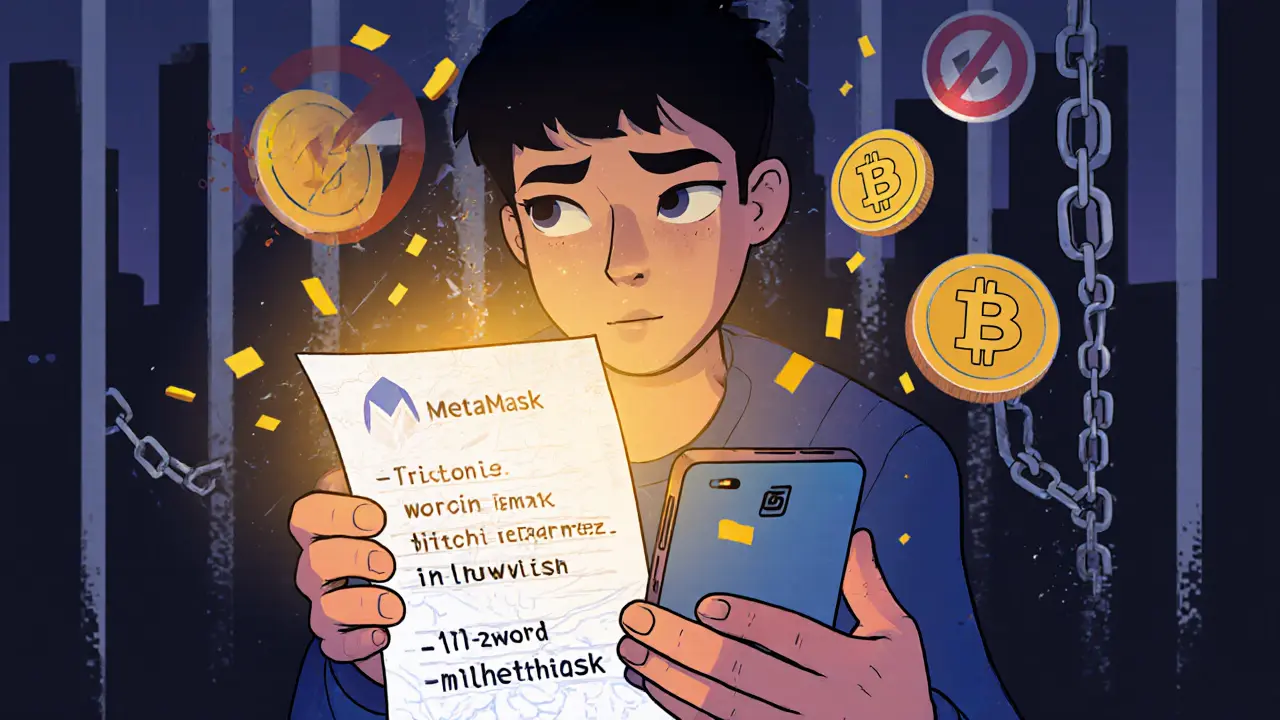
Non-custodial crypto wallets let you own your money without banks or governments in control. In restricted countries, they’re the only way to keep crypto safe from seizures and bans - if you know how to use them.
Read More