Iran cryptocurrency law: What’s allowed, banned, and how it affects traders
When it comes to Iran cryptocurrency law, the official stance on digital assets is contradictory: mining is permitted under state control, but personal trading and exchanges are banned. Also known as crypto regulations in Iran, this policy creates a strange reality where citizens mine Bitcoin for the government while risking fines for buying Ethereum on their phones. This isn’t just a legal gray area—it’s a high-stakes game of cat and mouse.
The Iranian government doesn’t want its citizens using crypto to bypass U.S. sanctions, but it does want the electricity and hardware used to mine it. That’s why, since 2019, Iran has licensed mining farms to operate under state supervision. These farms use cheap, often subsidized power to produce Bitcoin and other coins that are then sold abroad, bringing hard currency into the country. Meanwhile, regular people who buy crypto on decentralized platforms like Uniswap or use P2P apps like LocalBitcoins are technically breaking the law. There’s no official list of banned apps, but the government has blocked thousands of websites and fined users caught trading. In 2022, Iranian authorities seized over $100 million in crypto from individuals, according to local reports.
This split between state mining and private trading creates a dangerous gap. Scammers know people are desperate for access, so fake exchanges like Piyasa, a scam platform using a Turkish word for "market" to trick Iranian users pop up regularly. Even legitimate tools like MakiSwap, a dead DEX with zero trading volume get misused as fronts for phishing. The same people who mine crypto legally for the state are often the ones losing money to these scams because they can’t use real exchanges. And if you’re caught trading? You could face fines, asset seizure, or even jail time—especially if you’re using foreign platforms.
What’s surprising is how widespread crypto use still is. Despite the ban, Iranians trade an estimated $86 billion in crypto annually through underground channels, mostly using stablecoins like USDT to protect savings from inflation. The government doesn’t shut down these flows because it needs the foreign cash they bring in. But that doesn’t make it safe. The lack of legal protection means no recourse if you get hacked, scammed, or arrested. You’re on your own.
Below, you’ll find real cases of what happens when people try to navigate this system—whether it’s airdrops that vanish, exchanges that disappear, or tokens that were never real to begin with. These aren’t abstract warnings. They’re lessons from people who lived through Iran’s crypto gray zone.
4
Dec
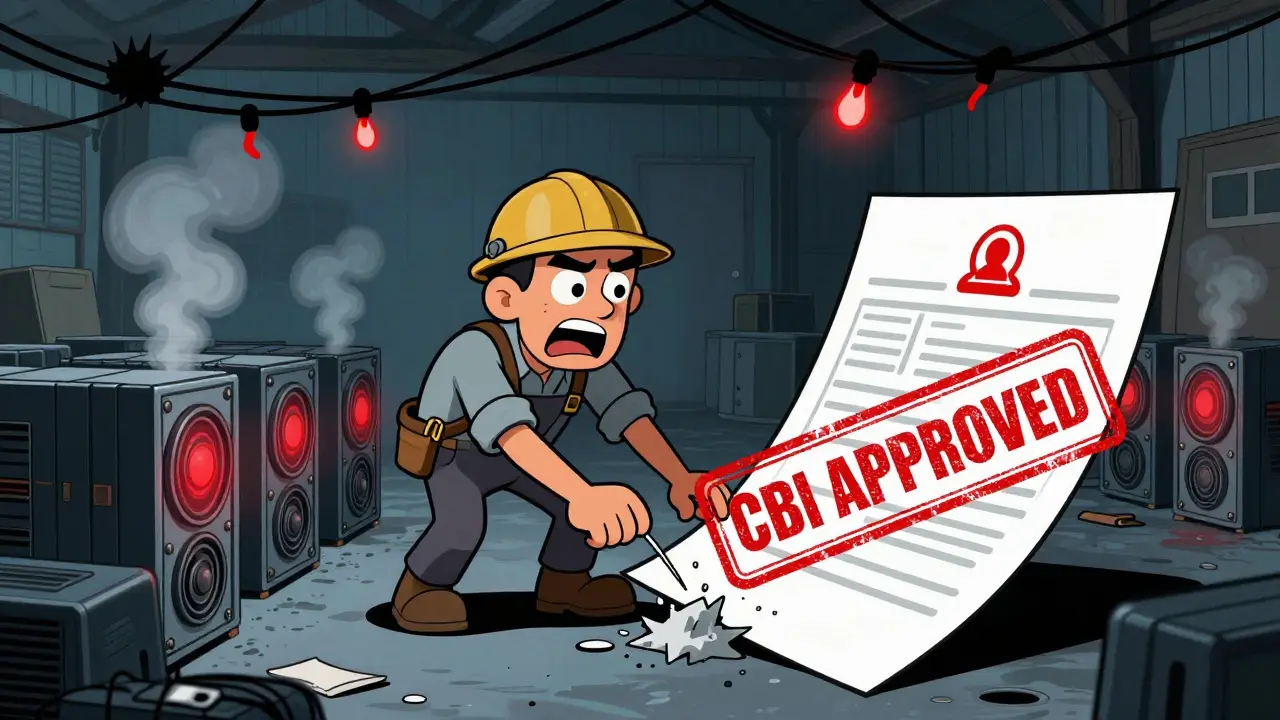
Iran permits crypto mining under strict state control, but power shortages, political favoritism, and sudden bans make it risky. Legal miners face high costs and surveillance, while state-linked groups operate unchecked.
Read More