Insurance Fraud Detection in Blockchain and Crypto: How Web3 Stops Scams
When you hear insurance fraud detection, the process of identifying false or exaggerated claims to steal money. Also known as fraud prevention, it’s traditionally handled by paperwork, audits, and human investigators. But in crypto, where trust is built on code, not clerks, this process is getting a radical upgrade. Blockchain doesn’t just record transactions—it creates a permanent, public, and unchangeable trail of every move. That’s why fraudsters who used to hide behind fake documents now struggle to lie without leaving digital fingerprints.
Take on-chain analysis, the practice of examining public blockchain data to uncover real user behavior. This isn’t guesswork—it’s forensic tracking. For example, if someone claims they lost crypto in a hack to file an insurance claim, analysts can trace the exact wallet movements, check if funds were ever sent to a known exchange, or see if the same wallet participated in a fake airdrop like the HAI token scam. Tools that mine this data don’t need passwords—they just read the blockchain like an open ledger. This same method stops fake claims in DeFi lending. If someone says they deposited $10,000 in collateral to borrow, but the chain shows no deposit ever happened, the system flags it instantly. No call center needed.
crypto scams, deceptive schemes designed to trick users into sending funds or giving up private keys. Also known as rug pulls or fake airdrops, they’re everywhere. The Piyasa crypto exchange scam used a Turkish word to look legit. The DSG token airdrop tricked people into spending USDT to "vote" for a token that didn’t exist. These aren’t just random tricks—they follow patterns. And blockchain lets you spot those patterns before you lose money. Insurance fraud in crypto isn’t about car accidents or stolen jewelry anymore. It’s about fake gaming tokens, dead exchanges like AfroDex, or bots pretending to be real users in airdrops. The tools to catch them? On-chain data, smart contract audits, and community reporting—all powered by transparency.
That’s why the posts here focus on real cases: the HAI crash, the MakiSwap graveyard, the DSG trap. Each one shows how fraud looks in Web3—and how you can see it coming. You won’t find vague advice here. You’ll find proof. You’ll see how a 51% attack can fake transaction history, how over-collateralization stops loan fraud, and why a dead exchange like AfroDex can’t be insured because there’s nothing to insure. This isn’t theory. It’s what’s happening right now.
By the end of this collection, you won’t just know what fraud looks like—you’ll know how to check if a token is real, if an exchange is alive, or if an airdrop is a trap. You’ll understand why blockchain doesn’t prevent lies—but it makes them impossible to hide.
25
Nov
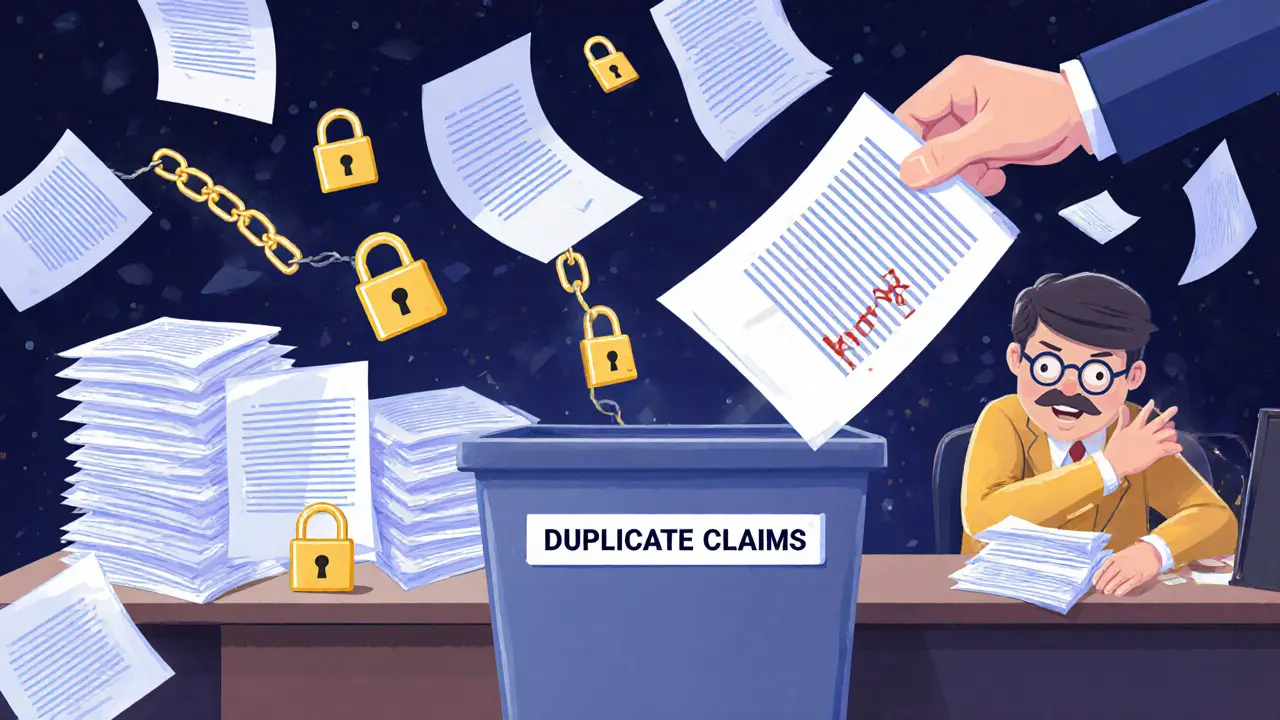
Blockchain is cutting insurance fraud by creating tamper-proof records, automating claims, and enabling cross-insurer verification. Learn how it works, where it's succeeding, and why it's not a silver bullet.
Read More