Immortal Token: What It Is, Why It Matters, and What You Need to Know
When people talk about an Immortal Token, a cryptocurrency designed to outlast market cycles, regulatory shifts, and community abandonment. Also known as permanent token, it represents the rare kind of digital asset that doesn’t just ride a hype wave—it builds lasting infrastructure, utility, and trust. Most tokens die within months. They vanish when the team disappears, the liquidity dries up, or the community loses interest. But an Immortal Token? It survives because it solves a real problem, rewards long-term holders, and stays transparent—even when no one’s watching.
What makes a token immortal isn’t its price or marketing. It’s the tokenomics, the economic design behind how a token is created, distributed, and used. Also known as token economy, it determines whether a token grows stronger over time or collapses under its own weight. Look at the posts here: some cover projects with no trading volume, no team updates, and zero utility—like AfroDex or DSG. Those aren’t immortal. They’re ghosts. Meanwhile, tokens tied to real DeFi systems, like those in over-collateralized lending or modular blockchain designs, have a better shot. They don’t rely on hype. They rely on code, incentives, and demand that doesn’t disappear when the news cycle moves on.
Then there’s the blockchain, the public ledger that records every transaction and ensures no one can alter history. Also known as distributed ledger, it’s the foundation every token lives on. A token built on a secure, decentralized chain like Ethereum or Polygon has a fighting chance. One built on a forgotten sidechain with no developers? That’s a time bomb. The posts in this collection show the difference: some analyze real on-chain data to spot which tokens are actually being used, while others warn you away from dead projects. That’s the key—immortality isn’t claimed, it’s proven.
And don’t confuse immortality with popularity. Nobody Sausage might trend for a week. The Graph (GRT) got an airdrop because it solved a real data indexing problem. One is a meme. The other is a tool. Immortal Tokens are tools. They’re used. They’re maintained. They’re upgraded. They don’t need influencers to stay alive.
If you’re looking at a token and wondering if it’ll last, ask: Who’s building it? Who’s using it? Where’s the liquidity? Is it tied to something that matters beyond speculation? The answers are in the data—and in the posts below. You’ll find real reviews, deep dives into token mechanics, and warnings about projects that look alive but are already dead. This isn’t about chasing the next 100x. It’s about finding what stays.
14
Nov
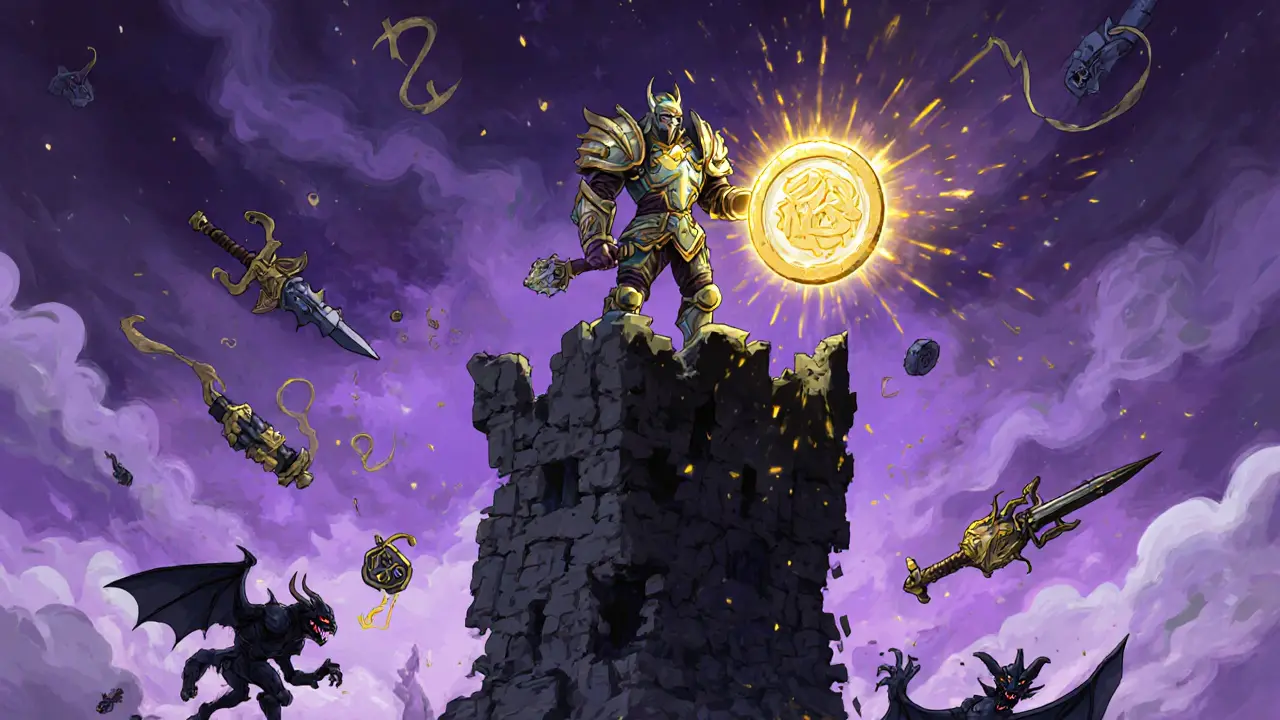
Immortal Token (IMT) is the native cryptocurrency of Immortal Rising 2, a dark fantasy web3 RPG. Players use IMT to vote on game updates, earn rewards, and convert tokens into in-game currency. It runs on Immutable zkEVM for low fees and high speed.
Read More