Colombia Crypto Ban: What It Means for Users and How to Stay Safe
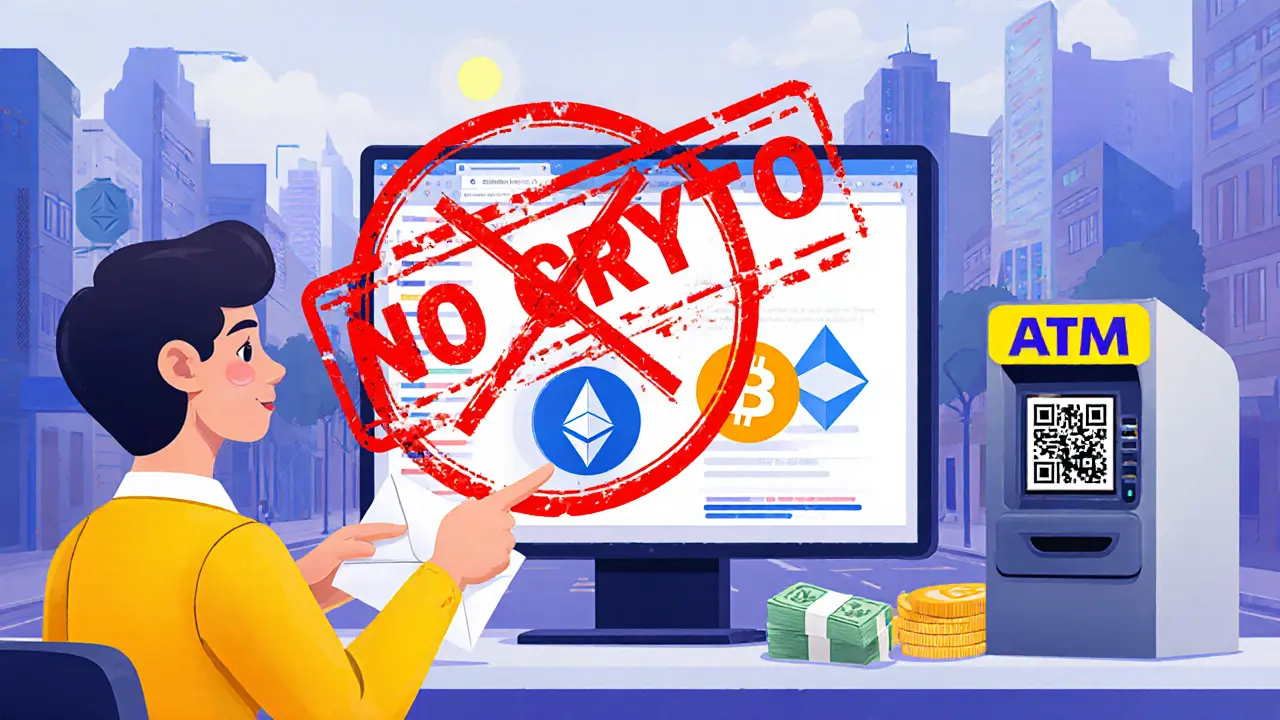
When people talk about a Colombia crypto ban, a common misunderstanding about crypto regulation in Colombia, where the government restricts banking access rather than outright banning digital assets. Also known as crypto banking restrictions in Colombia, it’s not a law against owning Bitcoin or Ethereum—it’s a wall built by banks to block crypto-related transactions. The central bank doesn’t outlaw crypto, but major banks like Banco de Bogotá and Davivienda routinely freeze accounts linked to exchanges. This forces users to find workarounds—or risk losing access to their own money.
That’s where non-custodial wallets, wallets where you hold your own private keys, giving you full control without needing bank approval. Also known as self-custody crypto, they’re not just useful—they’re essential in places like Colombia where banks turn away crypto users. Tools like MetaMask and Ledger let you send, receive, and store crypto without asking anyone’s permission. And when exchanges like Binance or Kraken block Colombian IPs, DEXs, decentralized exchanges that don’t require KYC or geographic verification. Also known as decentralized crypto trading, they become the only safe path forward. Platforms like Uniswap or PancakeSwap let Colombians trade directly from their wallets, bypassing the banking blockade entirely.
But it’s not just about tools—it’s about awareness. Many users think a crypto ban means the end of access. It doesn’t. It just shifts the game. Those who rely on banks get locked out. Those who use DEXs and non-custodial wallets keep trading. The difference isn’t technical skill—it’s knowing where to look. You won’t find a government list of banned coins because there isn’t one. What you will find are banks refusing to process deposits from crypto platforms, and exchanges shutting down Colombian fiat gates. The real battle isn’t against the law—it’s against financial exclusion.
What follows are real stories and practical guides from users who’ve navigated these restrictions. You’ll see how people in Medellín and Cali use DEXs to trade without ID, how non-custodial wallets protect funds from bank seizures, and why banking access in Colombia is more about policy than technology. These aren’t theoretical ideas—they’re survival tactics used every day by real people trying to keep control of their money in a system that doesn’t want them to have it.
1
Nov
Colombia bans banks from handling crypto transactions, but citizens still trade crypto via P2P platforms. Learn how the SFC's restrictions work, who's affected, and what's next for crypto in the country.
Read More