Blockchain in Insurance: How Smart Contracts Are Changing Claims and Coverage
When you think about blockchain in insurance, a system that uses distributed ledgers to record and verify policy terms, claims, and payouts without intermediaries. Also known as decentralized insurance, it doesn’t just digitize paper files—it rebuilds how trust works between insurers and customers. Traditional insurance relies on middlemen, slow paperwork, and guesswork. Blockchain replaces that with automatic rules written in code—called smart contracts, self-executing agreements that trigger payments when predefined conditions are met. No calls, no emails, no delays. If a flight is delayed by more than three hours, the payout hits your wallet. If a crop yield drops below a certain level, the claim pays out automatically. This isn’t theory. It’s happening right now.
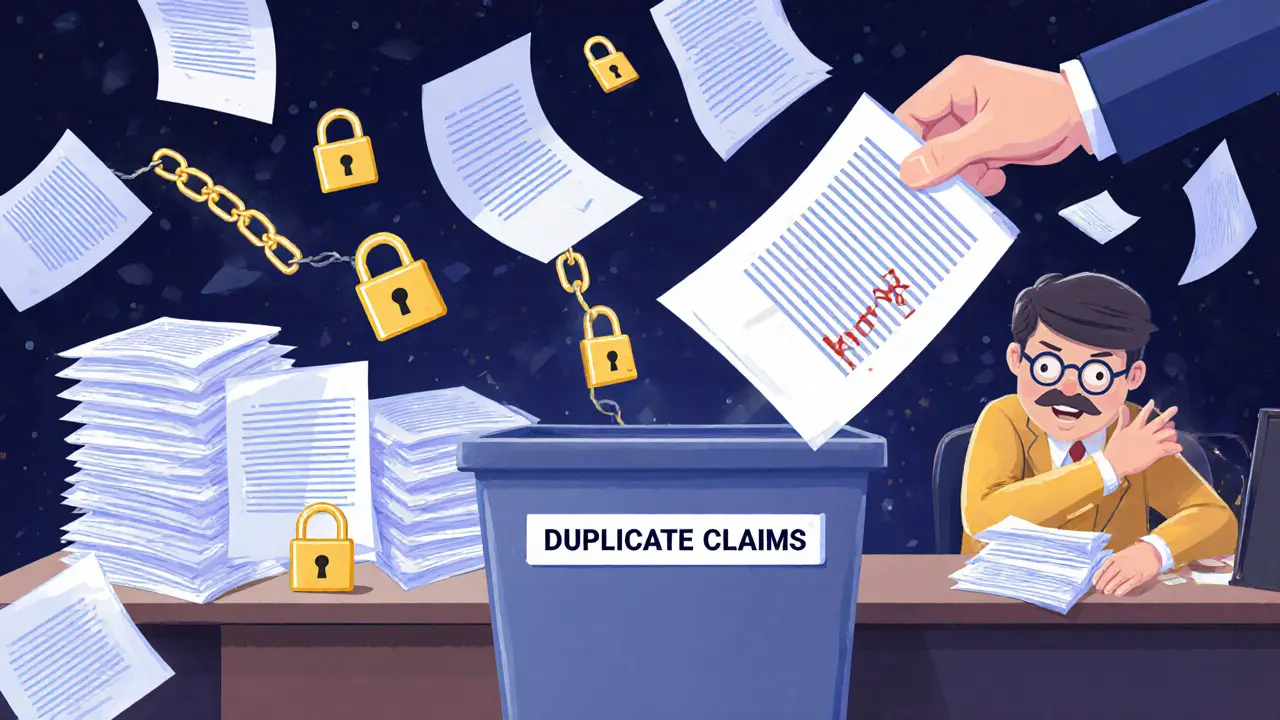
blockchain transparency, the ability to verify every step of a policy or claim on a public, unchangeable ledger stops fraud before it starts. Insurers can see if a claimant filed similar claims with other companies. Reinsurers can track how often a policy has been adjusted. And customers? They know exactly when and why their claim was approved or denied. This level of visibility cuts administrative costs by up to 40% in pilot programs, according to real-world tests by major carriers. It also means fewer disputes. When every action is recorded and immutable, there’s no room for ‘he said, she said.’
But blockchain in insurance isn’t just about cutting costs. It’s about expanding access. In places where traditional banks won’t serve farmers, or where disaster relief is too slow, decentralized insurance models are stepping in. People pay small premiums in crypto, and when a verified event happens—like a flood recorded by satellite data—the payout is instant. No paperwork. No waiting. This isn’t just for tech insiders. It’s for people who’ve been left out of the system for too long.
What you’ll find in this collection are real stories of how blockchain is already changing insurance—not as a future idea, but as a working tool today. You’ll see how claims are being automated, how fraud is being crushed with on-chain data, and why some startups are replacing entire departments with code. You’ll also learn about the risks: what happens when a smart contract has a bug? What if the weather data feed is wrong? And why some big insurers still resist this shift. This isn’t hype. It’s a shift happening in plain sight. Let’s see how it’s done.
25
Nov
Blockchain is cutting insurance fraud by creating tamper-proof records, automating claims, and enabling cross-insurer verification. Learn how it works, where it's succeeding, and why it's not a silver bullet.
Read More