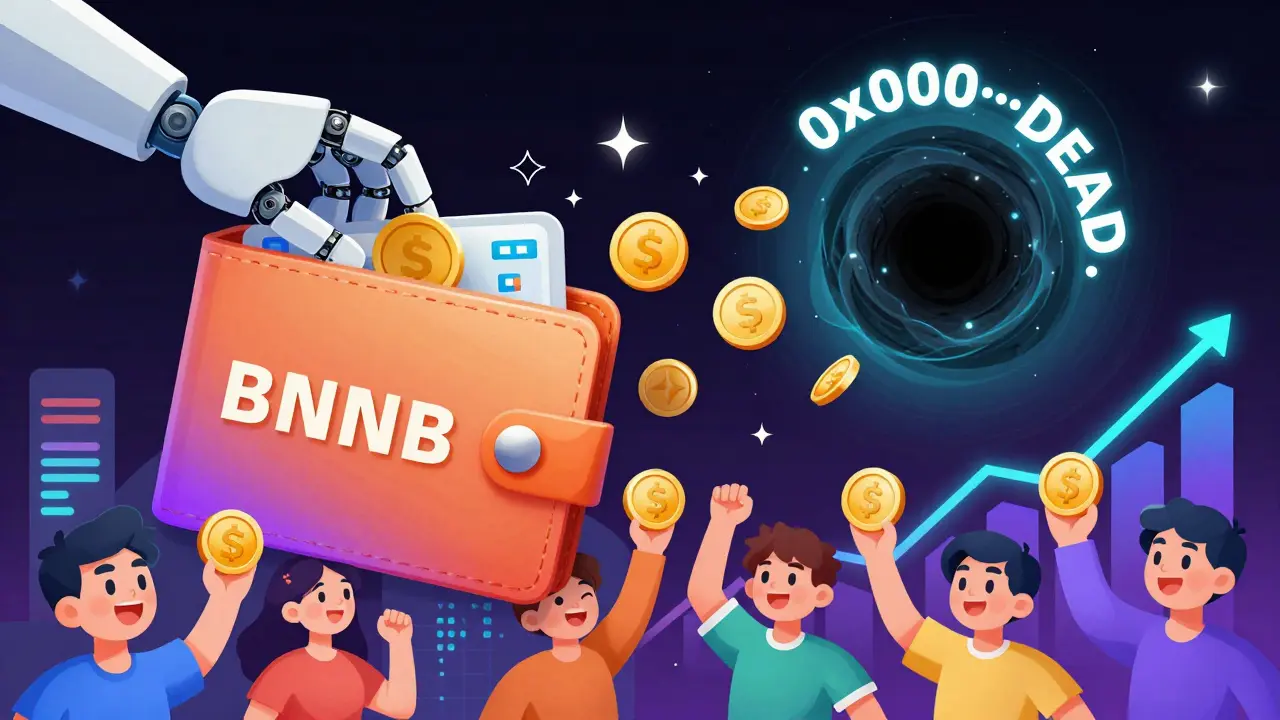
When you hold a token like BNB, KCS, or OKB, you’re not just holding a digital asset-you’re holding a piece of a business model that’s designed to get scarcer over time. That’s the power of exchange token burn mechanisms. It’s not magic. It’s math. And it’s changing how crypto exchanges create value for their users.
What Exactly Is a Token Burn?
A token burn is when a cryptocurrency exchange permanently removes tokens from circulation. These tokens are sent to a special wallet address-usually the null address (0x000000000000000000000000000000000000dEaD)-that no one can access. Once there, they’re gone forever. No one can retrieve them. No one can spend them. They’re erased from the supply. This isn’t just deleting a number on a screen. It’s reducing the total number of tokens available. Less supply, if demand stays steady or grows, means higher prices. That’s basic economics. And exchanges use this to reward token holders without giving out dividends or voting rights. Binance started this trend in 2017 with BNB. They promised to burn 20% of their quarterly trading fees in BNB until half the supply was gone. They’ve kept that promise. Through 23 quarterly burns by Q4 2025, they’ve removed 44.3 million BNB-44.3% of the original 100 million. That’s not theoretical. That’s on-chain data you can check on BscScan.How Do Exchanges Actually Burn Tokens?
Most exchanges don’t just randomly destroy tokens. They tie burns to real revenue. The most common method is using a percentage of trading fees. - Binance: Burns 20% of all trading fees collected each quarter. The fees are converted to BNB at market price, then sent to the burn address. In Q4 2025 alone, they burned over 2 million BNB-the largest single burn ever. - KuCoin: Goes even further. Since 2020, they’ve burned 50% of daily trading fees in KCS. That’s 365 burns a year. By December 2025, they’d destroyed 12.85% of the total KCS supply. - OKX: Uses a two-pronged approach. They burn 30% of monthly trading fees in OKB, and also run buyback-and-burn events during market dips. This helps stabilize prices when traders are nervous. - Gate.io: Uses a dynamic burn. The percentage of fees burned shifts between 10% and 30% based on market volatility. More volatility? Higher burn rate. Less volatility? Lower burn. It’s automated, but hard to predict. These burns are handled by smart contracts-self-executing code on blockchains like Ethereum or BNB Chain. They automatically trigger when conditions are met. That means transparency. Anyone can verify the burn happened by checking the blockchain.Why Do Exchanges Do This?
There are two big reasons: value creation and trust. First, burns create scarcity. BNB’s price jumped from $0.10 at its ICO to $18.73 in January 2026. That’s an 18,700% increase. Yes, other factors played a role-like Binance’s growth, new features, and market cycles. But the burn mechanism gave holders a consistent reason to believe the token’s value would rise over time. Second, burns build trust. In a space full of rug pulls and shady projects, a verifiable burn shows an exchange is serious. When Binance publishes the transaction hash after each burn, or KuCoin updates its live burn counter, they’re saying: “We’re not hiding anything.” Compare that to FTX in 2022. They burned 100 million FTT tokens just before collapsing. The burn looked good on paper, but it was a distraction. No one trusted it because there was no real revenue backing it. That’s the difference between a real burn and a scam.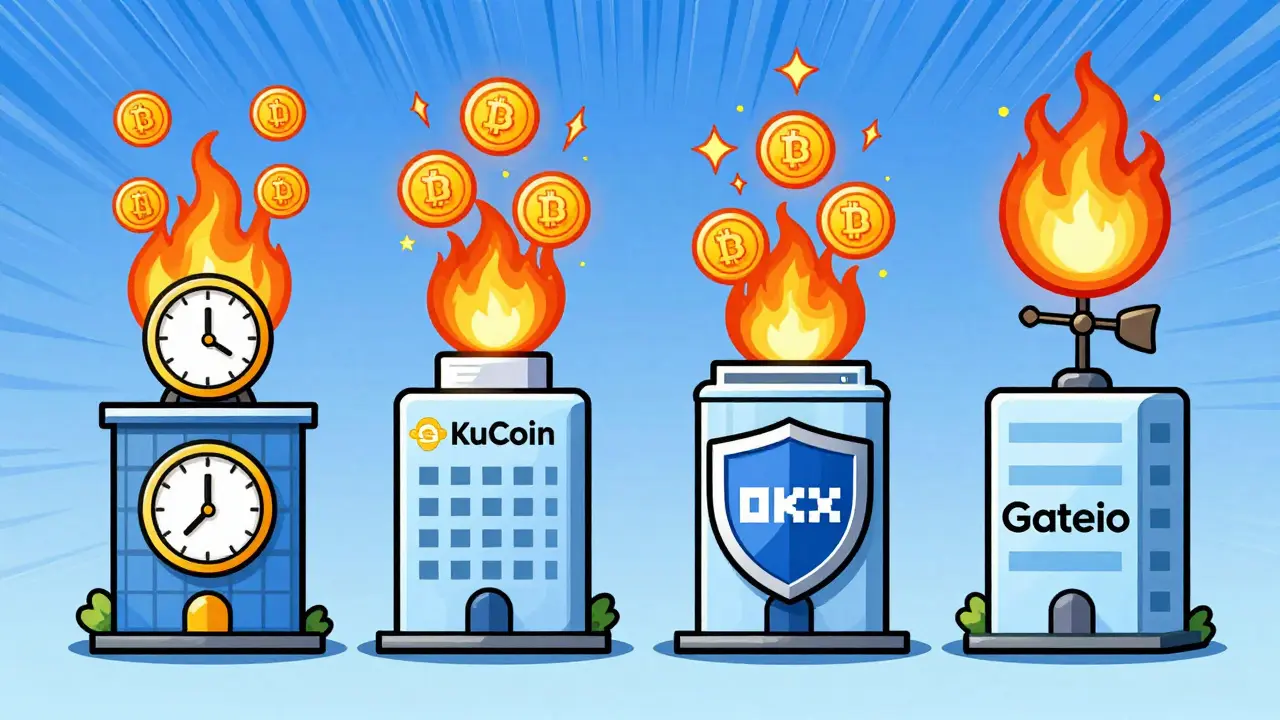
What Makes a Burn Legit?
Not all burns are equal. A burn tied to real trading volume is meaningful. A burn based on arbitrary schedules or profits that aren’t transparent? Not so much. A 2024 study by the University of Zurich looked at 14 exchange tokens with burn mechanisms. They found that only those with burns directly tied to verifiable revenue (like Binance’s fee-based model) showed a strong, statistically significant price correlation (r=0.78). Tokens with random burns? No impact. Here’s what to look for:- Revenue linkage: Is the burn based on actual trading fees or profits? Or is it just a fixed number?
- Transparency: Can you see the burn address? Can you verify the transaction on a blockchain explorer?
- Frequency: Daily burns (like KuCoin) offer steady pressure. Quarterly burns (like Binance) create predictable events.
- Third-party audits: Binance now partners with Armanino LLP to audit every burn. That’s next-level trust.
What Do Users Think?
Crypto traders care. A 2025 Fidelity survey found 58% of active traders consider verified token burns a “very important” factor when choosing an exchange-second only to security. Reddit threads about Binance burns often get thousands of upvotes. Comments like “BNB burns are the only consistent bullish catalyst in this bear market” are common. But there’s skepticism too. Gate.io’s dynamic burn model confused users. One Trustpilot review said: “The changing rates make it impossible to predict tokenomics.” That’s a problem. If users can’t understand it, they won’t trust it. And then there’s MEXC. In November 2024, they burned 50 million MX tokens. The market didn’t react. A CoinGecko investigation later found evidence of wash trading-fake volume used to inflate fees and trigger burns. The burn happened. The value didn’t. That’s the danger: burns can be gamed.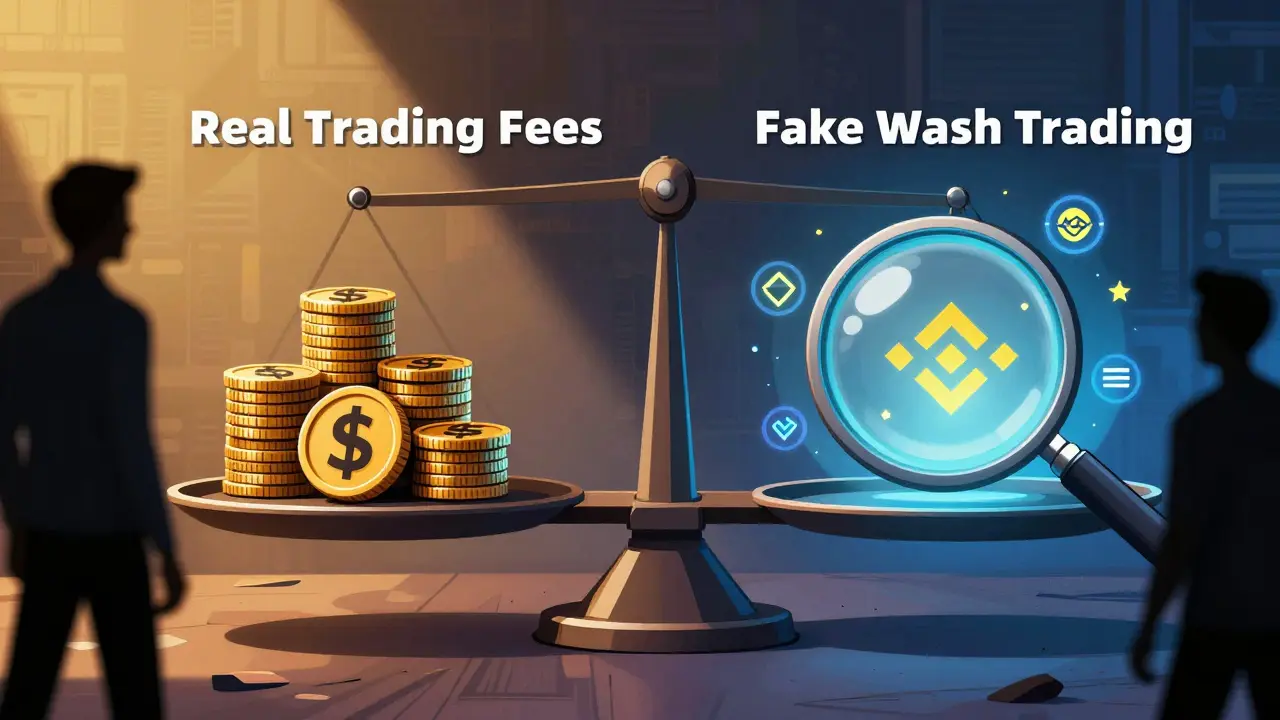
What’s Next for Token Burns?
The trend is growing. In 2021, only 32% of the top 50 exchanges used burns. By 2025, it was 89%. Total value burned across all exchanges hit $14.7 billion in 2025-up 22% from the year before. Binance alone accounted for 78% of that. New developments are pushing the model forward: - Binance’s “Proof-of-Burn” audits are setting a new standard. - Ethereum’s upcoming EIP-4844 upgrade (Q3 2026) will let protocols burn fees directly-like an exchange, but built into the blockchain itself. - Galaxy Digital predicts AI-driven burn schedules by 2028, where burns adjust automatically based on market conditions, trading volume, and token price. But there’s a warning. A 2025 Cambridge study found that if current burn rates continue, 32% of all exchange tokens will be destroyed by 2030. That could hurt liquidity. If too many tokens vanish, there won’t be enough left to trade. That’s why experts agree: burns need to be balanced with real utility. BNB isn’t just scarce-it’s used to pay fees, stake in Launchpool, enter lotteries, and more. A token with no use case, no matter how many burns it gets, will fail. CoinEgg’s EGG token burned regularly… and crashed 99.7%.Should You Care About Token Burns?
If you hold exchange tokens, yes. Burns are one of the few predictable, verifiable forces that can push prices up over time. They’re not a guarantee. But they’re a strong signal. If you’re choosing an exchange, look for:- A clear, public burn schedule
- A burn address you can verify
- Proof that burns come from real trading fees
- Third-party audits or live trackers