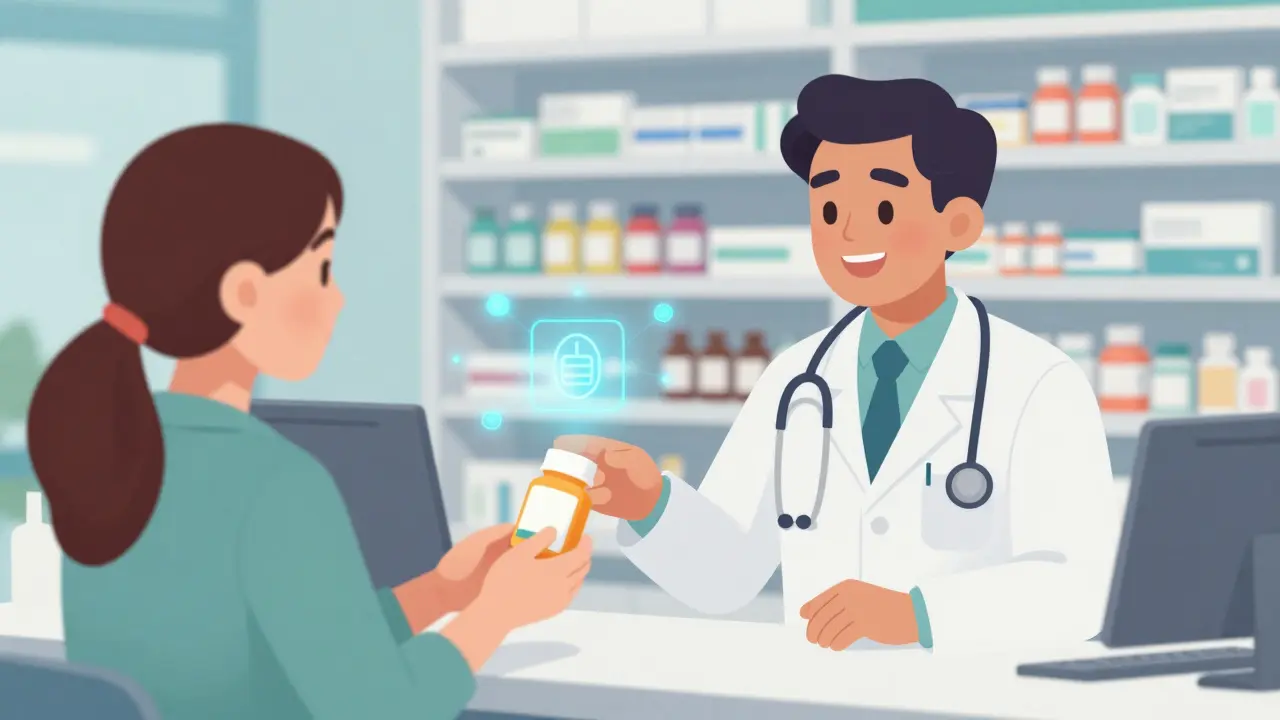
Imagine walking into your local pharmacy, picking up a bottle of life-saving medication, and having no way to know if it’s genuine. For years, this has been the reality for millions of patients worldwide. Counterfeit drugs are not just a nuisance; they are a deadly threat that undermines trust in healthcare systems globally. But what if every pill could be traced back to its source with absolute certainty? That is exactly what blockchain prescription drug tracking is designed to achieve.
This technology isn't science fiction anymore. It is actively being tested and implemented by major health institutions to solve one of the most persistent problems in modern medicine: ensuring that the medicine you take is safe, authentic, and hasn't been tampered with during transit. By leveraging distributed ledger technology, we can create an immutable record of a drug's journey from the manufacturing plant to your hands. This shift promises to eliminate fraud, reduce errors, and give patients peace of mind.
The Urgent Need for Secure Drug Tracking
Why do we need such a drastic change in how we track medications? The current pharmaceutical supply chain is complex, fragmented, and vulnerable. Traditional systems rely on centralized databases that can be hacked, altered, or simply fail. When a single point of failure occurs, entire batches of drugs can become untraceable.
Counterfeit medications are a massive global issue. According to various health organizations, fake drugs often contain incorrect ingredients, wrong dosages, or even harmful substances like fentanyl or industrial dyes. In many cases, these counterfeits look identical to the real thing. Without a robust tracking system, pharmacists and patients have no reliable way to distinguish between legitimate products and dangerous fakes. Furthermore, prescription drug abuse remains a critical concern. Centralized systems often struggle to prevent "doctor shopping" or unauthorized transfers between pharmacies, leaving gaps that bad actors exploit.
The United States addressed some of these issues through the Drug Supply Chain Security Act (DSCSA), a federal law aimed at preventing counterfeit, contaminated, or otherwise harmful drugs from entering the legal supply chain. Enacted in 013, the DSCSA requires entities involved in the distribution of prescription drugs to maintain transaction history, transaction information, and transaction statements. However, implementing these requirements using traditional IT infrastructure has proven difficult, expensive, and prone to data silos. This regulatory pressure created the perfect environment for blockchain solutions to emerge as a viable alternative.
How Blockchain Transforms Pharmaceutical Traceability
At its core, blockchain is a decentralized digital ledger that records transactions across many computers so that the recorded transactions cannot be altered retroactively. In the context of prescription drug tracking, this means every time a drug changes hands-from manufacturer to wholesaler, to distributor, to pharmacy-a new block is added to the chain.
This process offers three critical advantages over traditional methods:
- Immutability: Once data is entered into the blockchain, it cannot be changed or deleted. If a batch of drugs is flagged as expired or compromised, that status is permanent and visible to all authorized parties. This prevents bad actors from falsifying records to pass off unsafe drugs as legitimate.
- Transparency: All participants in the supply chain see the same version of the truth. There is no ambiguity about where a product came from or who handled it last. This shared visibility reduces disputes and speeds up recall processes.
- Security: Blockchain uses advanced cryptography to secure data. Each transaction is encrypted, ensuring that sensitive patient information and proprietary business data remain private while still allowing verification of authenticity.
Unlike legacy systems that require constant reconciliation of disparate databases, blockchain provides a single source of truth. This simplifies compliance with regulations like the DSCSA, as auditors can verify the entire history of a drug package with minimal effort.
Real-World Implementation: The BRUINchain Success Story
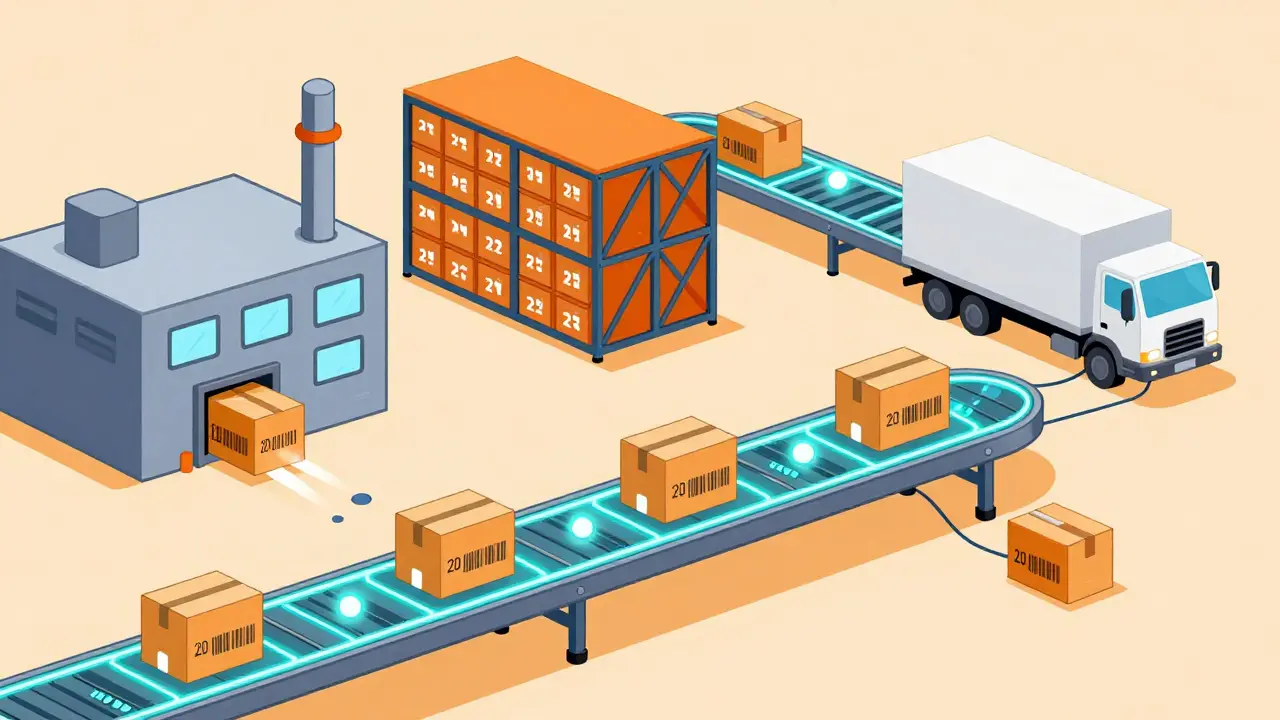
To understand how this works in practice, look at the partnership between UCLA Health and LedgerDomain. They developed a system called BRUINchain, a blockchain-based system built for the FDA's DSCSA Pilot Project Program to track prescription drugs. This isn't just a theoretical model; it was tested with real-world data in actual dispenser operations.
BRUINchain operates with impressive speed, boasting a latency of just 50 milliseconds. This near-real-time capability is crucial for busy pharmacies where delays can cause bottlenecks. The system scans drug packages for correctly formatted 2D barcodes, which serve as unique identifiers for each unit. As the drug moves through the supply chain, each scan updates the blockchain ledger.
What makes BRUINchain particularly effective is its ability to flag issues automatically. If a product is expired, suspected to be illegitimate, or missing proper documentation, the system quarantines it before it reaches the patient. This "last mile" protection is vital because the pharmacist-to-patient interface is often the weakest link in traditional tracking systems. By automating product-tracing notifications, BRUINchain significantly reduces paperwork burden and enhances timeliness, allowing pharmacists to focus on patient care rather than administrative tasks.
Technical Architecture: Beyond Basic Ledgers
While the concept of blockchain is straightforward, implementing it for prescription tracking requires sophisticated technical architecture. One major challenge is data storage. Blockchains are not suitable for storing large amounts of data directly on the chain due to scalability and cost constraints.
To address this, many modern systems use a hybrid approach. For example, researchers have integrated blockchain with the InterPlanetary File System (IPFS), a peer-to-peer hypermedia protocol designed to make the web faster, safer, and more open. In this setup, encrypted prescription data is stored on IPFS, while only the hash (a unique digital fingerprint) of that data is recorded on the blockchain. This ensures that the data integrity is verified without bloating the blockchain itself.
Another innovative model is the Decentralized Medication Management System (DMMS). This system eliminates middlemen and enables direct, secure communication between healthcare institutions and pharmacies. Each transaction is encrypted using the patient's public key, meaning only the patient's private key can decrypt the information. This puts control firmly in the hands of the patient, enhancing privacy while maintaining traceability.
| Feature | Traditional Systems | Blockchain Systems |
|---|---|---|
| Data Integrity | Vulnerable to alteration and hacking | Immutable and tamper-proof |
| Traceability | Fragmented across multiple databases | Single, unified view of history |
| Speed | Slow reconciliation processes | Near-real-time updates (e.g., 50ms latency) |
| Patient Privacy | Centralized risk of data breaches | Decentralized encryption with patient-controlled access |
| Compliance | Manual reporting and audits | Automated smart contracts and instant audit trails |
Challenges and Barriers to Adoption
Despite its potential, blockchain prescription drug tracking faces significant hurdles. One of the biggest challenges is standardization. The pharmaceutical industry lacks universal standards for data input and barcode formats. Without agreed-upon protocols, different blockchain platforms may not communicate effectively, creating new silos instead of solving old ones.
Energy consumption is another concern. Early blockchain implementations relied on energy-intensive consensus mechanisms like Proof of Work. However, newer systems are adopting more efficient models like Proof of Stake or permissioned ledgers, which drastically reduce environmental impact. Still, optimizing energy use remains a priority for widespread adoption.
Legal and ethical considerations also complicate matters. Who owns the data on the blockchain? How do we ensure patient privacy while maintaining transparency? These questions require careful policy innovation and cross-sector collaboration. Experts note that neither existing solutions nor blockchain alone can fully address medication abuse issues. Stakeholders including healthcare professionals, pharmacies, insurance companies, and government entities must work together to create comprehensive frameworks.
Additionally, the interpretation of terms like "dispensing" under regulations like the DSCSA can be tricky. For instance, when drug barcodes are not available for scanning at the point of dispensing, how does the system verify authenticity? Addressing these edge cases requires continuous refinement of both technology and policy.
The Future of Pharmaceutical Security
Looking ahead, the integration of blockchain with other technologies will drive further innovation. Smart contracts, for example, can automate compliance and reporting processes. When a drug is dispensed, a smart contract could instantly update Prescription Drug Monitoring Programs (PDMPs), reducing the risk of misuse and streamlining regulatory oversight.
Pharmacovigilance-the monitoring of adverse events-will also benefit greatly. Real-time reporting capabilities enabled by blockchain allow for quicker identification of safety issues. If a particular batch of medication causes unexpected side effects, regulators can trace all affected patients almost instantly, enabling rapid recalls and interventions.
As pilot programs like BRUINchain demonstrate success, we can expect broader commercial deployment. Healthcare institutions are already exploring blockchain integration for medication history management and e-prescription processing. The key to realizing this potential lies in overcoming current limitations through technological advancements and supportive regulatory frameworks.
What is blockchain prescription drug tracking?
Blockchain prescription drug tracking is a system that uses distributed ledger technology to create an immutable, transparent record of a drug's movement from manufacturer to patient. It ensures authenticity, prevents counterfeiting, and enhances supply chain security by recording every transaction in a tamper-proof manner.
How does blockchain help prevent counterfeit medications?
Blockchain prevents counterfeiting by assigning a unique digital identifier to each drug package. Every time the package changes hands, a new entry is added to the blockchain. Since these entries cannot be altered, any attempt to introduce fake drugs into the supply chain will be detected when the digital record doesn't match the physical product.
What is the role of the DSCSA in blockchain adoption?
The Drug Supply Chain Security Act (DSCSA) mandates strict traceability requirements for prescription drugs in the U.S. Blockchain provides a highly efficient way to comply with these rules by offering automated, real-time tracking and immutable audit trails, making it easier for companies to meet regulatory standards.
Is patient data safe on a blockchain?
Yes, patient data is protected through advanced encryption techniques. In systems like DMMS, data is encrypted using the patient's public key, and only their private key can decrypt it. This ensures that even though the data is part of a shared ledger, it remains accessible only to authorized individuals.
What are the main challenges of implementing blockchain in pharma?
Key challenges include lack of standardized data formats, high initial implementation costs, energy consumption concerns, and legal/ethical questions regarding data ownership and privacy. Additionally, integrating blockchain with existing legacy systems requires significant technical expertise and coordination among multiple stakeholders.
Can blockchain replace traditional inventory management systems?
Blockchain complements rather than replaces traditional systems. While it excels at providing secure, transparent records of transactions, it often works alongside existing ERP and inventory software. Hybrid approaches, such as combining blockchain with IPFS, offer the best balance of security, scalability, and functionality.