Missing out on an airdrop can feel like leaving money on the table. If you’ve been hearing whispers about the BlockSwap Network and its StakeHouse NFT airdrop campaign, you’re likely wondering if it’s real, how much it’s worth, and more importantly, how to claim your share. The crypto space is flooded with noise, but BlockSwap stands out as a serious infrastructure player in the Ethereum ecosystem. Their recent campaigns have offered tangible rewards for early participants, specifically targeting those who engaged with their CommunityNet.
This guide cuts through the hype. We’ll break down exactly what the BlockSwap airdrop is, who qualifies, and the steps you need to take to secure your tokens. Whether you’re a seasoned DeFi user or just dipping your toes into liquid staking, understanding this opportunity requires looking at the facts, not the rumors.
What Is the BlockSwap Network StakeHouse Airdrop?
To understand the value, you first need to understand the project. BlockSwap Network is a permissionless web3 infrastructure layer designed for multichain composable ETH and modular Ethereum blockspace. Launched with a Token Generation Event (TGE) on April 26, 2021, the project focuses on making Proof of Stake (PoS) accessible to everyday users. Their native token, CBSN is the governance and utility token of the BlockSwap ecosystem, operates on the Ethereum network.
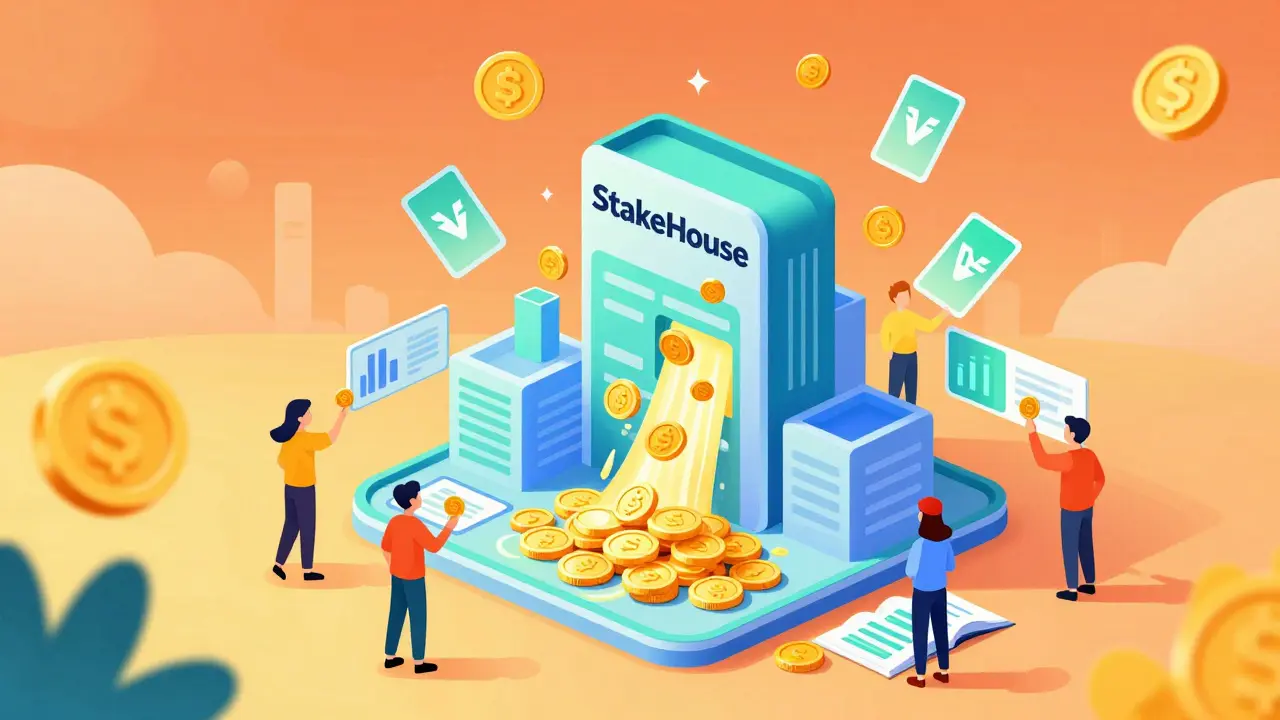
The specific airdrop in question revolves around their flagship product: StakeHouse is a decentralized liquid staking platform that automates coordination for staked ETH2 liquidity. Unlike traditional staking where your funds are locked up for long periods, StakeHouse allows users to earn yields while maintaining liquidity through ERC20 tokens. The airdrop was primarily distributed to participants in the StakeHouse CommunityNet served as a testing environment for the protocol’s smart contracts and market fit.
Why does this matter? Because BlockSwap isn’t just handing out free tokens for fun. They reward users who helped stress-test their system. The prize pool for these campaigns has included significant amounts, such as a reported $2,500 pool in cBSN tokens for active CommunityNet participants. This isn’t a vanity metric; it’s a retention strategy to build a loyal base of early adopters.
Who Qualifies for the Airdrop?
Airdrops rarely go to everyone. BlockSwap uses specific criteria to identify genuine users versus bots. Based on previous campaigns and the structure of their CommunityNet, here is who typically qualifies:
- CommunityNet Participants: Users who actively minted or interacted with StakeHouse Batch (SHB) tokens during the test phases. SHB tokens represent 32ETH deposit simulations used to stress-test the protocol.
- NFT Holders: Individuals who held specific StakeHouse NFTs issued during the pilot programs. These NFTs often acted as proof of participation or loyalty badges.
- Early Stakers: Users who provided liquidity or staked ETH through the StakeHouse protocol before major mainnet updates.
- Wallet Activity: Accounts showing consistent interaction with the BlockSwap dApp (decentralized application) rather than one-off transactions.
If you were just browsing the site without interacting with the smart contracts, you likely won’t qualify. The key indicator is on-chain activity. BlockSwap’s system tracks wallet addresses that contributed to the stability and security of their test networks.
How to Check Your Eligibility and Claim Tokens
Finding your rewards requires a bit of detective work. Since BlockSwap doesn’t always send direct emails, you need to check the official channels and use their tools. Here is the step-by-step process to verify if you’re eligible and how to claim.
- Connect Your Wallet: Visit the official BlockSwap dashboard. Connect your MetaMask or compatible Web3 wallet. Ensure you are using the same address that participated in the CommunityNet or held the StakeHouse NFTs.
- Check the Airdrop Portal: Look for a dedicated "Airdrop" or "Rewards" section in the menu. If available, input your wallet address to see any pending balances. Some projects require you to manually "claim" the tokens by signing a transaction.
- Verify NFT Holdings: If the airdrop is tied to an NFT, check your wallet’s NFT collection tab. Look for assets named "StakeHouse" or "BlockSwap." You may need to hold this NFT until a specific snapshot date to be eligible for future drops.
- Monitor Official Announcements: BlockSwap communicates critical dates via their Discord server and Twitter (X). Join the Discord and look for pins or announcements labeled "Airdrop Claim." Missing the window can mean losing your tokens forever.
Note that gas fees apply when claiming. Make sure you have enough ETH in your wallet to cover the transaction costs. It’s common for new users to forget this and fail to complete the claim.
Understanding the CBSN Token Value
You might be asking, "What is the CBSN token actually worth?" This is a crucial question. As of mid-2026, the CBSN token presents a complex picture. While the total supply is capped at 5 billion tokens, with 500 million initially allocated, the circulating supply has historically shown limited trading volume on major exchanges.
Data from tracking platforms like CoinMarketCap indicates that despite the 2021 TGE, liquidity can be thin. This means price volatility is high. When you claim an airdrop, don’t assume immediate fiat value. The token’s utility lies in governance and access to premium features within the StakeHouse ecosystem, such as lower fees or higher yield tiers.
Additionally, the project raised $7 million across four funding rounds, suggesting strong institutional backing. However, remember that venture capital backing doesn’t guarantee price appreciation. Always do your own research (DYOR) before selling or swapping your claimed tokens.
Risks and Security Considerations
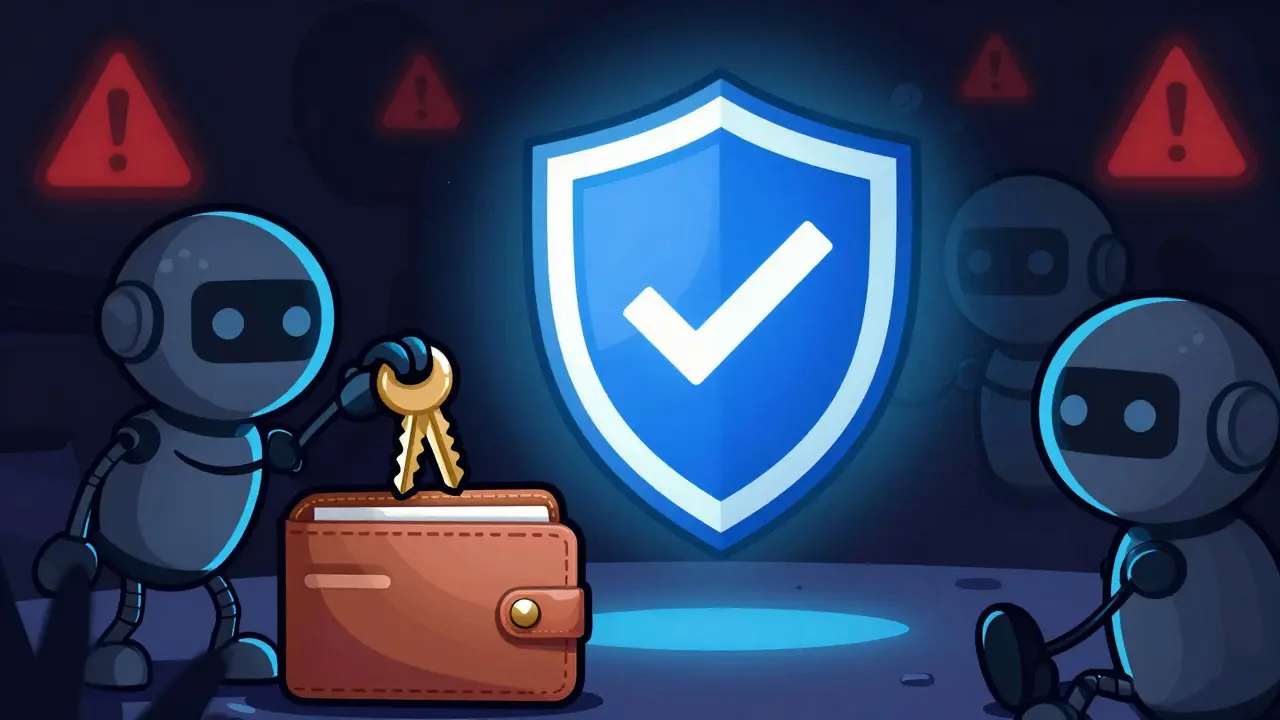
Crypto airdrops are prime targets for scammers. Before you click any link or connect your wallet, you must prioritize security. BlockSwap has undergone rigorous audits by firms like Halborn, Solidified, Runtime Verification, and Certora. This is a good sign, but it doesn’t protect you from phishing attacks.
- Beware of Fake Sites: Scammers create clone websites that look identical to BlockSwap’s. Always bookmark the official URL and never search for "BlockSwap airdrop" and click the first ad result.
- Never Share Private Keys: Legitimate airdrops never ask for your private key or seed phrase. If a site asks for this, close it immediately.
- Check Contract Addresses: Verify the CBSN contract address (0x7d4B...F6B25B) on Etherscan before approving any transactions. Mismatched addresses are a red flag.
- Smart Contract Risks: Even legitimate protocols carry risk. Smart contract vulnerabilities can lead to fund loss. Only invest what you can afford to lose.
Security is not just about avoiding scams; it’s about understanding the technology you’re interacting with. BlockSwap’s focus on formal verification helps mitigate code risks, but user error remains the biggest threat.
The Role of StakeHouse in DeFi
Why should you care about BlockSwap beyond the free tokens? The StakeHouse protocol addresses a major pain point in Ethereum: the complexity of staking. Traditional staking requires 32 ETH and technical expertise to run a validator node. StakeHouse abstracts this away.
By using StakeHouse, users get exposure to staking rewards without locking up their principal asset for months. The liquid staking tokens (LSTs) generated can be used in other DeFi protocols, creating a compounding effect. This composability is what makes BlockSwap’s infrastructure valuable. They aren’t just a token launch; they are building the rails for the next generation of Ethereum finance.
For developers, BlockSwap offers SDKs to build applications on top of StakeHouse. This creates a flywheel effect: more apps lead to more users, which leads to more demand for CBSN tokens and StakeHouse services.
Next Steps for Maximizing Your Rewards
If you’ve claimed your airdrop, what’s next? Don’t just sell immediately. Consider the following strategies to maximize value:
- Stake Your CBSN: Many protocols offer additional rewards for staking their governance tokens. Check if BlockSwap has a vault where you can stake CBSN to earn more CBSN or other incentives.
- Provide Liquidity: If CBSN pairs are listed on DEXs like Uniswap, providing liquidity can earn you trading fees. Be aware of impermanent loss, however.
- Participate in Governance: Use your tokens to vote on proposals. Active governance participation sometimes unlocks exclusive bonuses or grants.
- Stay Engaged:** Keep an eye on the CommunityNet. Future updates may bring new NFT drops or larger airdrops for loyal users.
The crypto market moves fast. What’s a small reward today could be significant tomorrow if the project gains traction. BlockSwap’s mission to onboard mainstream users to PoS aligns with broader Ethereum trends, making it a project worth watching closely.
Is the BlockSwap StakeHouse NFT airdrop still open?
As of May 2026, specific details on ongoing airdrops are limited. Previous campaigns targeted CommunityNet participants. You should check the official BlockSwap Discord and website for the latest announcements. Airdrop windows are often time-sensitive and may have already closed for earlier cohorts.
What is the current price of the CBSN token?
The CBSN token has seen limited trading volume. Prices can vary significantly between exchanges due to low liquidity. Check real-time data on CoinGecko or CoinMarketCap for the most accurate pricing. Note that zero circulating supply reports may indicate illiquid markets.
How do I know if my wallet is eligible?
Eligibility is based on on-chain activity. Connect your wallet to the BlockSwap dashboard and look for an airdrop checker tool. If you minted SHB tokens or held StakeHouse NFTs during the CommunityNet phase, you are likely eligible.
Are there any fees to claim the airdrop?
Yes, you will need to pay Ethereum gas fees to execute the claim transaction. Ensure your wallet has sufficient ETH to cover network costs. The cost varies depending on network congestion.
Is BlockSwap Network safe to use?
BlockSwap has undergone multiple security audits by reputable firms like Halborn and Certora. However, all DeFi protocols carry inherent risks, including smart contract vulnerabilities. Always use a hardware wallet and never share your private keys.