There is a lot of noise right now about a so-called BAKECOIN airdrop. People see headlines promising free tokens, but finding the actual details is frustratingly difficult. You might have seen ads pop up on social media or heard whispers in chat groups. However, after digging through official project channels and blockchain analytics available as of March 2026, there is no verified record of an official event called "BAKECOIN." What we actually find is BakeryToken, which uses the ticker symbol BAKE. It sits at the heart of the BakerySwap decentralized exchange built on the BNB Chain. Confusing the two terms can leave you vulnerable to security risks.
When you search for "BAKECOIN," you are often stumbling into marketing gimmicks rather than genuine protocol distributions. In the world of crypto, name changes or slight spelling variations often signal a different project entirely. Some bad actors create look-alike names to ride the coattails of established coins. If you hold legitimate BakeryToken assets, understanding the distinction matters. Your safety depends on verifying the smart contract addresses before connecting your wallet anywhere.
The Reality of BakeryToken and BNB Chain
To get to the bottom of this confusion, you first need to look at the actual asset behind the brand. BakeryToken isn't some new mystery coin; it has been around for years as part of the BNB Chain ecosystem. It functions as a governance token and provides utility across their DeFi platform.
If you want to earn tokens legitimately, the path usually involves engaging with the ecosystem, not waiting for unsolicited airdrop emails. Here is what you should know about the real asset:
- Platform Integration: BAKE is native to BakerySwap, a liquidity pool provider. Users who provide liquidity often earn rewards in BAKE.
- NFT Functionality: The ecosystem includes an NFT marketplace. Holding specific collections in your wallet sometimes unlocks bonus tiers or staking benefits.
- Cross-Chain Compatibility: While originally on Binance Smart Chain, integrations now allow movement across other chains, which increases utility but also complicates tracking ownership.
The price history and market cap trends suggest steady adoption. Analysts projected growth leading into 2026, citing increased cross-chain usage and updated DeFi protocols. But does this mean a free distribution event? Not necessarily. Many projects move away from random airdrops toward point-based loyalty systems to reward active users rather than casual observers.
Understanding Airdrop Mechanics in 2026
The landscape for earning free cryptocurrency changed significantly between 2024 and 2026. The days of simply signing a newsletter to get thousands of dollars worth of tokens are largely gone. Today, most major distributions function differently. We saw massive shifts in 2025 with projects like Berachain distributing millions of tokens to early testers. Similarly, Kaito AI focused heavily on rewarding community engagement over simple holding.
This shift affects how you should approach any rumored "BAKECOIN" campaign. Most modern airdrops fall into three specific categories, and knowing which one applies to you saves time and money.
- Bounty Tasks: These require completing social actions, such as following Telegram channels, retweeting updates, or joining Discord communities. They are low-risk but offer smaller rewards.
- Holder Snapshots: Projects take a snapshot of the blockchain at a specific block height. If you held a specific token in your wallet at that exact moment, you qualify for a later distribution.
- Liquidity Mining: This requires actively depositing funds into a liquidity pool. It yields high returns but exposes you to impermanent loss risk.
If a message claims a BAKECOIN drop requires you to pay gas fees upfront, it is almost certainly a scam. Real airdrops transfer value *to* you, rarely requiring payment to receive them.
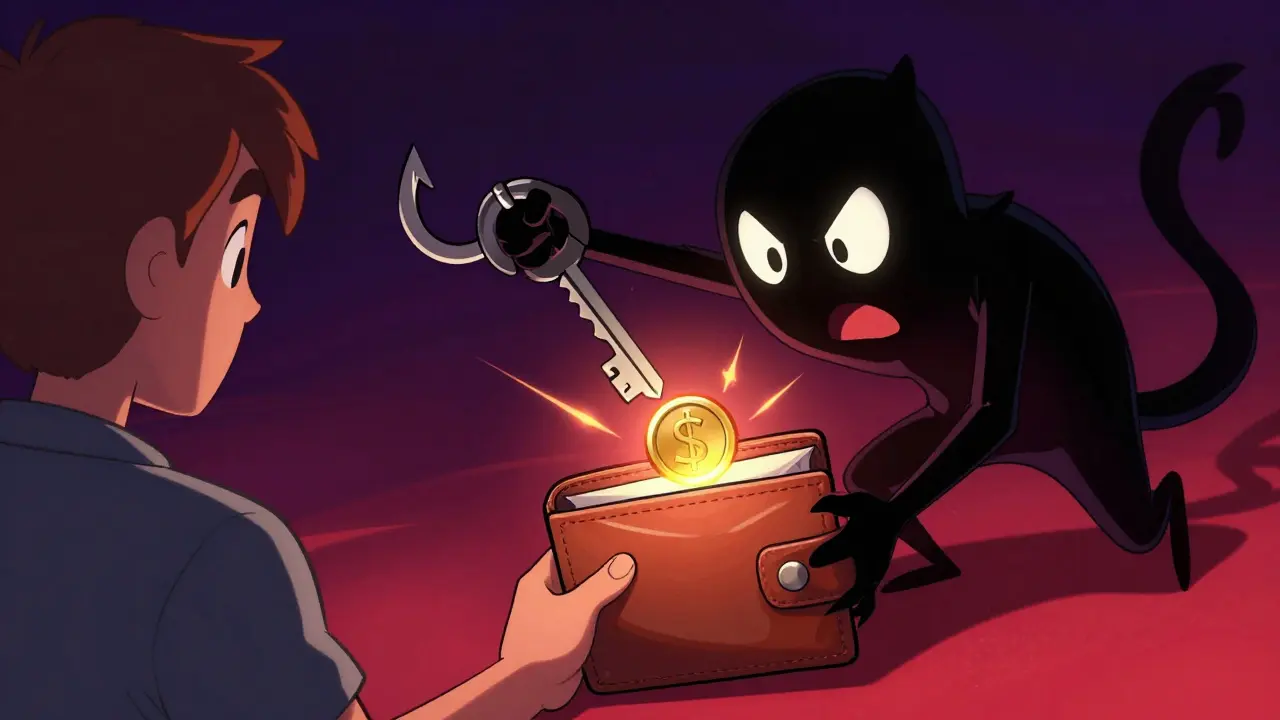
Identifying Fake Airdrop Campaigns
Spoofing established names is a common tactic. Scammers love reusing recognizable ticker symbols like BAKE because they gain instant trust. In my experience monitoring crypto news, I've seen countless phishing attempts disguised as official updates. If someone DMs you claiming you won a BAKECOIN airdrop, stop immediately. Official teams never initiate private messages to distribute funds.
You can spot a fraudulent scheme by checking for specific red flags in the communication or the link provided.
- Urgency: Phrases like "Claim within 24 hours" or "Last chance" are classic manipulation tactics designed to bypass your critical thinking.
- URL Discrepancies: Look closely at the domain name. Instead of `bakeryswap.org`, a fake site might use `bakery-swap-claim.net` or similar variants.
- Phishing Forms: Any site asking for your seed phrase or private keys to claim an airdrop is malicious. You should never type these credentials into a browser.
- Unusual Wallet Requests: If a website connects to your MetaMask and tries to drain your balance rather than send it a small test transaction, disconnect immediately.
Verification is the only defense. Always cross-reference announcements on official platforms like Twitter (X), Discord, or GitHub repositories owned by the project developers.
Comparing Real Opportunities vs. Fake Claims
| Feature | Legitimate Project | Suspicious/Fake Scheme |
|---|---|---|
| Source Channel | Official Blog, Verified Social Media | Random DMs, Pop-up Ads, Emails |
| Requirements | Snapshot, On-Chain Activity | Send Funds First, Give Private Keys |
| Reward Amount | Reasonable Value Based on Contribution | Unrealistic Millions of Tokens |
| Contract Verification | Verified on Blockchain Explorer | No Verifiable Smart Contract Code |
Using this table as a checklist before interacting with any claim helps protect your portfolio. Even though the specific "BAKECOIN" airdrop lacks verification, the principles remain the same for any opportunity you encounter in 2026.
How to Verify Authentic Projects
If you suspect a new token named BAKECOIN might actually be a spin-off project, you need to perform due diligence. Start by visiting the blockchain explorer relevant to the chain. For BakeryToken, that is the BNB Chain explorer. Search the contract address provided in the claim. If the contract is brand new and minted recently without audit reports, proceed with extreme caution.
Check the code repository on GitHub. Active development teams commit updates regularly. Abandoned repos indicate a project might be dead or abandoned, increasing the likelihood of a rug pull.
Furthermore, engage with the community. Join the Discord server and ask directly. If moderators delete your question or refuse to answer, that is a negative signal. Legitimate projects welcome transparency.
In the 2025 cycle, we saw many projects pivot to privacy-focused mechanisms or zero-knowledge proofs for airdrop qualification. If a tool claims to calculate your "eligibility" instantly without deep blockchain scanning, be skeptical. Real verification requires querying historical data, which takes time and resources.
Does a BAKECOIN airdrop actually exist?
As of March 2026, there is no official confirmation of a "BAKECOIN" airdrop. This appears to be confusion with the existing BakeryToken (BAKE) on the BNB Chain. Always verify claims through official channels to avoid scams.
How do I claim legitimate BakeryToken rewards?
Rewards are typically earned through liquidity mining on BakerySwap or by participating in governance proposals. There is generally no manual claiming process for retroactive airdrops unless specified by the team.
What is the difference between BAKE and BAKECOIN?
BAKE is the established ticker for BakeryToken. BAKECOIN is likely a misnamed or fraudulent reference used to generate traffic. Treat any separate "BAKECOIN" token as highly risky until audited.
Are crypto airdrops still profitable in 2026?
Yes, but they are harder to find. Focus on new Layer 1 networks and testing phases of beta features. Past examples like Berachain showed high value, but competition for spots is fierce.
Can I lose money trying to get an airdrop?
You can lose money on gas fees or through phishing attacks. Never sign transactions you don't understand, and keep the amount spent on participation below what you are willing to lose.
Matt Bridger
March 29, 2026 AT 11:33The distinction made herein is rather obvious yet necessary for the uninitiated regarding security protocols. We see similar trends annually where marketing gimmicks overshadow genuine utility in the market. The confusion between tokens often stems from negligence rather than malicious intent alone in most cases. It remains crucial to verify contract addresses before engaging with any external interface. Most individuals fail to distinguish subtle naming discrepancies when rushing into investments. Security relies on vigilance not speculation about future returns. One must remain skeptical of unsolicited communications regardless of the sender.
Lisa Miller
March 30, 2026 AT 21:02It is great to see people sharing this vital information with the community so widely. You definitely want to stay safe online while exploring these new opportunities every day. Always double check links before you click anything interesting that pops up. Keeping your private keys secure is the most important step everyone should take immediately. Positive engagement leads to better outcomes for us all in the long run. Stay safe and keep learning about the ecosystem together.
Joy Crawford
April 1, 2026 AT 00:54omg i almost clicked that link yesterday 😱 so close to losing everything really because i was tired. scary thought lol. hope everyone reads this carefully though cause it feels real. 🙏💔
Beverly Menezes
April 1, 2026 AT 05:21It helps me feel calm knowing what to watch out for today instead of panicking. We can protect ourselves if we just stay careful and kind to each other always. Being nice online keeps us safe from bad actors trying to hurt us. Thank you for sharing this helpful guide for our community.
Ronald Siggy
April 1, 2026 AT 07:58You need to act now to secure your assets against these emerging threats in the sector. Proactive defense is always better than reactive measures later when funds are lost. Set up your wallets properly and audit your transactions regularly without delay. Don't wait until it is too late to change your habits regarding security. Take control of your financial destiny today by verifying every source.
Shaira Vargas
April 2, 2026 AT 09:03This kind of warning saves lives literally so thank you for posting this.
Wade Berlin
April 2, 2026 AT 15:00Another day another scam hoping someone else is stupid enough to fall for it honestly. People learn nothing regardless of how many times they get rekt by obvious traps. Just laugh at the effort scammers put into making fake sites sometimes. We should probably stop falling for the same tricks repeatedly.
Samson Abraham
April 3, 2026 AT 15:39Your analysis here provides clarity on complex matters involving digital asset safety protocols. Verification processes are indeed essential for maintaining integrity. One should respect boundaries set by official documentation.
Colin Finch
April 4, 2026 AT 04:02The evolution of blockchain incentives reflects a broader shift in human trust mechanisms globally. We move away from blind faith toward verified utility and proven track records over time. Earlier cycles rewarded mere presence whereas current models demand participation actively. This transition creates friction for those who seek easy gains without effort. Real value emerges from sustained engagement with the protocol architecture itself consistently. We observe that liquidity providers gain stability over passive holders eventually in markets. Governance rights offer power that exceeds simple token possession in many significant cases. The narrative of free money fades as market maturity sets in globally now. Users must adapt their expectations accordingly to survive longer term successfully. Education becomes the primary currency within these decentralized ecosystems growing today. Risk management strategies evolve alongside the technological infrastructure available to all. Those who ignore history often find themselves repeating costly mistakes again unfortunately. Trust but verify remains the golden rule for digital interaction today always. We need communities that self-regulate through transparency and open communication channels effectively. Ultimately the health of the network depends on collective vigilance against exploitation constantly.