Loan-to-Value Ratio: What It Means for Crypto Loans and Collateral
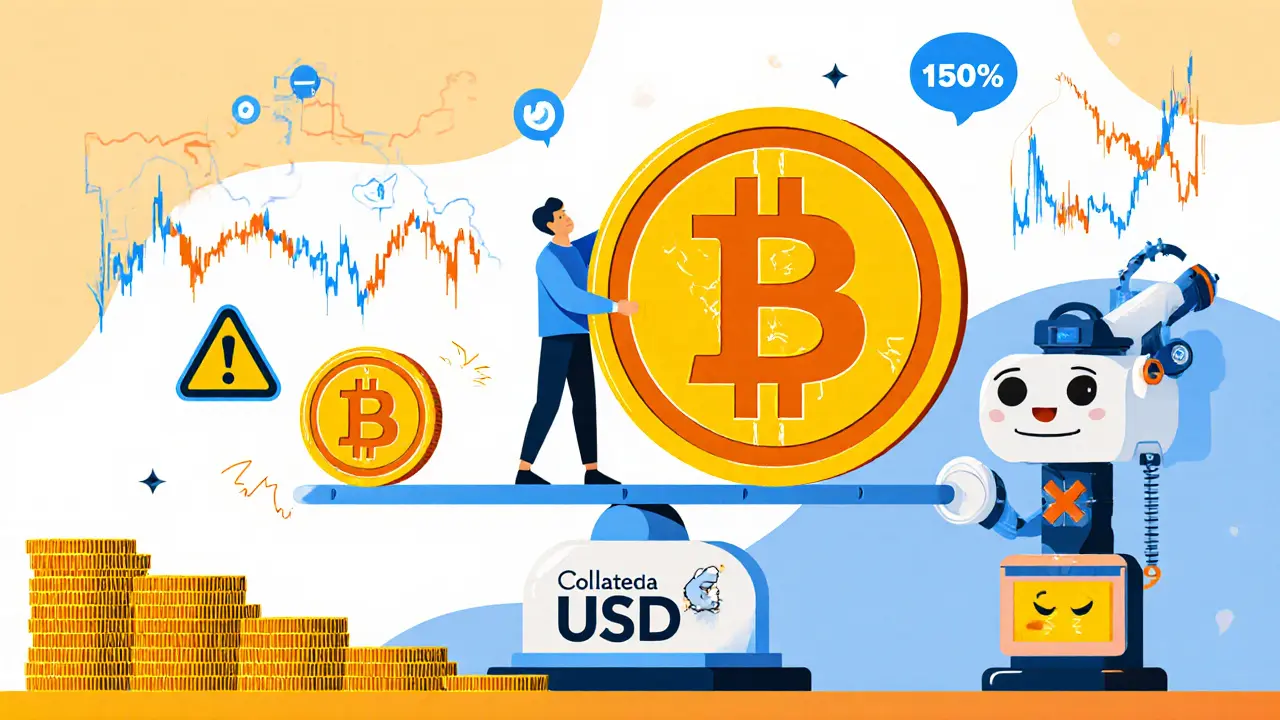
When you borrow using crypto as collateral, the loan-to-value ratio, the percentage of a collateral asset’s value that a lender will loan you is the line between staying in control and getting liquidated. It’s not just a number—it’s your safety buffer. If you put up $10,000 in Bitcoin and the lender lets you borrow $5,000, your LTV is 50%. That means the price of Bitcoin can drop 50% before you’re at risk. But if your LTV is 80%, one small dip could wipe you out. This ratio controls everything: how much you can borrow, how often you’ll get margin calls, and whether you’re building wealth or gambling with your assets.
Every DeFi lending protocol, a blockchain-based system that lets users lend and borrow crypto without banks uses LTV to protect itself. Platforms like Aave and Compound set different LTV limits based on how volatile a coin is. Bitcoin might get an 75% LTV because it’s relatively stable. But a new meme coin? Maybe 20%. That’s because the lender knows the price could crash fast. Even margin trading, a strategy where traders borrow funds to amplify their positions on centralized exchanges like Binance or Kraken relies on LTV. If you’re trading with 5x leverage, your LTV is 80%. One bad trade and you’re forced to sell—often at the worst possible time. This isn’t theory. It’s what happens to people who ignore the ratio and chase high returns without understanding the risk.
What’s missing from most guides is how LTV changes with market conditions. During bull runs, lenders relax LTV limits because prices are rising. But when the market turns, they tighten them fast. Your 70% LTV today could become 60% tomorrow—and suddenly you owe more than your collateral is worth. That’s why smart users keep their LTV below 50%, even when allowed higher. It’s not about maximizing borrow; it’s about surviving the next crash. You’ll find posts here that break down how top traders manage LTV in DeFi, how to avoid liquidation on platforms like MakerDAO, and why some crypto loans are safer than others. You’ll also see real examples of what happens when LTV goes wrong—and how to build a strategy that keeps you in control, no matter how wild the market gets.
15
Nov
Over-collateralization in crypto lending means depositing more crypto than you borrow to protect lenders from price swings. It's the foundation of DeFi loans, enabling secure borrowing without credit checks - but it comes with risks and costs.
Read More