Hybrid Crypto Platform: What It Is and How It Combines CEX and DEX Features
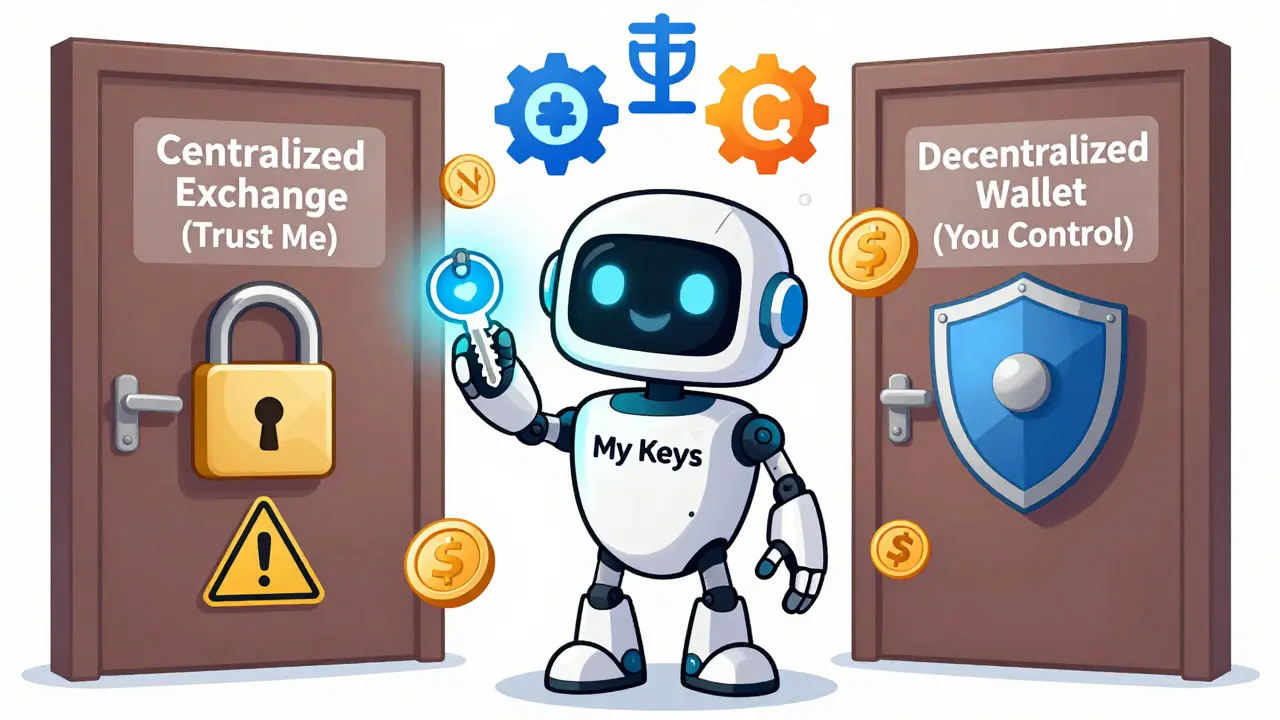
When you hear hybrid crypto platform, a system that merges the speed and user-friendliness of centralized exchanges with the security and control of decentralized ones. Also known as hybrid exchange, it tries to give you the best of both worlds: no KYC headaches, low fees, and real custody over your funds — all without sacrificing trading speed or support. Most crypto users today are stuck between two bad options: using a centralized exchange, a platform like Binance or Coinbase that holds your keys and runs on private servers (where you’re vulnerable to hacks and bans) or a decentralized exchange, a trustless protocol like Uniswap or DODO that lets you trade directly from your wallet (where you’re on your own if something goes wrong). A hybrid crypto platform steps in to fix that gap — it keeps your wallet connected, but runs matching engines and order books off-chain for faster trades, then settles everything on-chain for transparency.
This isn’t just theory. Projects are already building this model, and the posts here show you exactly how it plays out in real life. You’ll find reviews of platforms like DODO and CRODEX, which use automated market makers and on-chain settlement to reduce slippage while keeping users in control. You’ll also see warnings about fake hybrids — like AfroDex, which claims to be decentralized but has zero activity — and how to spot the difference. The best hybrid platforms don’t just call themselves "hybrid." They prove it: they let you withdraw anytime, show real on-chain activity, and don’t lock your funds behind corporate policies. They’re built for people who want to trade like they’re on a CEX but own their money like they’re on a DEX.
What makes this so important in 2025? Because regulations like MiCA are forcing exchanges to choose: either go fully regulated (and lose global access) or stay decentralized (and lose liquidity). Hybrid platforms are the middle path — they comply where needed, but stay open where it counts. They’re the reason Iranian traders can use DEXs safely, why Colombian users bypass bank bans, and why everyday traders aren’t forced to choose between convenience and control. The posts below dive into real examples, risks, and tools that make this model work — from on-chain analytics that verify liquidity to wallet integrations that keep you safe. You won’t find hype here. Just clear breakdowns of what’s real, what’s risky, and what’s actually changing how people trade crypto today.
18
Dec
Eidoo Hybrid Exchange combines a non-custodial wallet with fast trading, letting you control your crypto while accessing DeFi and NFTs in one app. Perfect for users who want security without complexity.
Read More

10
Nov
Bxlend is a Lithuania-based crypto exchange offering SEPA Instant banking for EU users, with 100+ cryptocurrencies and full regulatory compliance. But without third-party audits or user reviews, is it safe for your funds?
Read More