Fraud Prevention Insurance: Protect Your Crypto from Scams and Losses
When you hold crypto, you’re not just risking price drops—you’re risking fraud prevention insurance, a financial safety net designed to cover losses from crypto scams, hacks, and exchange failures. Also known as crypto insurance, it’s not something most people think about until they’ve lost everything. Unlike banks, most crypto platforms don’t insure your assets. If a fake exchange like Piyasa Crypto Exchange, a known scam using a Turkish word to trick users disappears, or a token like HAI, a token crashed by a security breach and later used in fake airdrops goes to zero, there’s no FDIC to step in. You’re on your own.
That’s why fraud prevention insurance matters. It’s not about buying a policy for Bitcoin—it’s about protecting yourself from the real threats you’ll face: fake airdrops, dead DEXs like MakiSwap, a decentralized exchange with zero trading volume and a collapsed token, or phishing attacks disguised as wallet updates. Most people think if they use a hardware wallet like Ledger, they’re safe. But even if you hold your keys, you can still get tricked into sending crypto to a scammer. Fraud prevention insurance covers those moments—when you’re fooled, not hacked.
Some platforms offer insurance as a feature, like Binance’s Secure Asset Fund for Users (SAFU), but that’s not the same as personal coverage. True fraud prevention insurance is rare, and when it exists, it often excludes DeFi exploits, rug pulls, or smart contract bugs. That’s why you need to know what’s not covered. If you’re staking on a platform like RAI Finance, a DeFi platform that lets you copy traders automatically, or trading on a niche DEX like CRODEX, a small exchange with volatile tokens and no audits, you’re taking on risk that no insurance will touch. The only real protection? Education. Knowing which exchanges are fake, which airdrops are traps, and how to spot a 51% attack before it happens.
Look at the posts below. You’ll see real cases: a crypto exchange that doesn’t exist, a token that crashed 99%, a blockchain game with a fake airdrop, and a platform banned by banks. These aren’t hypotheticals. They’re happening right now. Fraud prevention insurance won’t stop you from making mistakes—but it can save you from losing everything when you do. The question isn’t whether you need it. It’s whether you’re willing to learn how to avoid the traps before you’re caught in one.
25
Nov
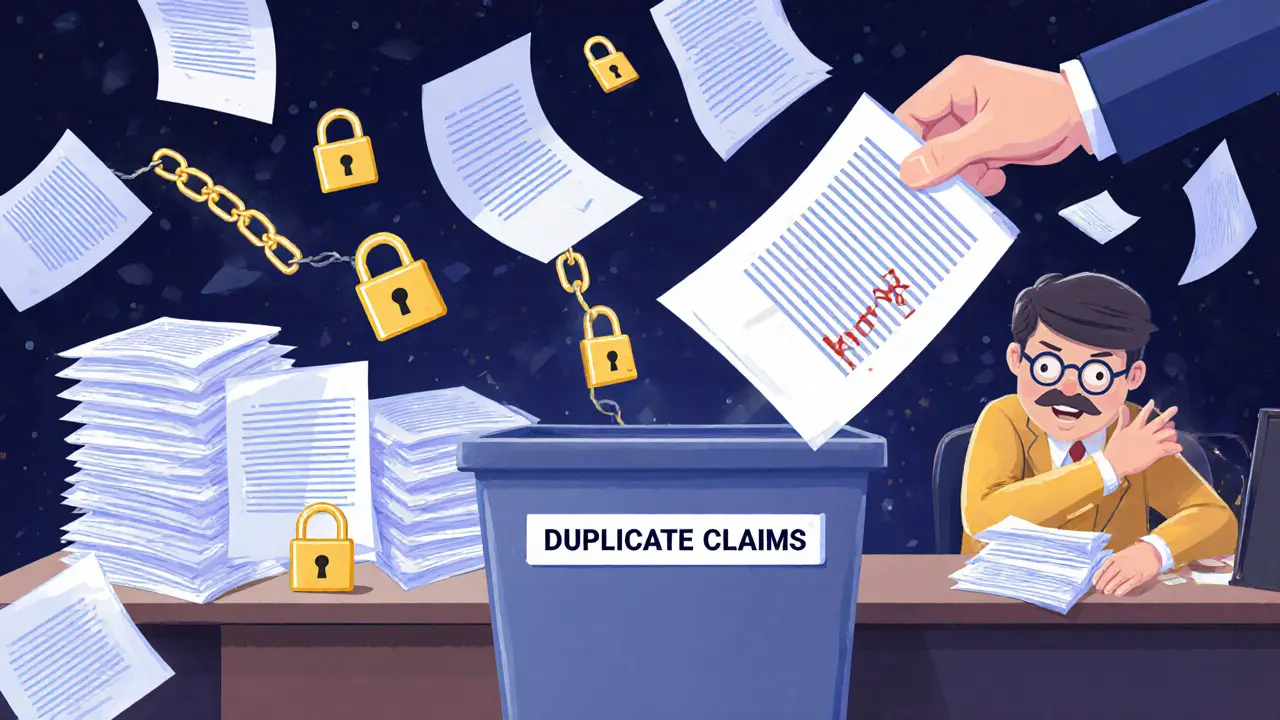
Blockchain is cutting insurance fraud by creating tamper-proof records, automating claims, and enabling cross-insurer verification. Learn how it works, where it's succeeding, and why it's not a silver bullet.
Read More