
You might have stumbled upon Piexgo while digging through old trading platforms or hearing about it in a niche crypto forum. Here is the hard truth upfront: Piexgo is dead. The centralized exchange officially shut its doors on April 1, 2021, leaving behind a graveyard of unresolved questions and no official announcement explaining why. If you are looking to trade today, you cannot open an account here. But if you are investigating your past holdings, researching failed startups, or trying to understand the risks of smaller exchanges, this review breaks down exactly what happened, how it operated, and why it vanished without a trace.
The Rise and Fall of a Singapore-Based Platform
Piexgo was a centralized cryptocurrency exchange launched in Singapore around 2018-2019 that offered spot trading and OTC services but lacked fiat on-ramps. Its story is a classic case of ambition outpacing sustainability. While sources like Cryptowisser point to a 2018 establishment, CoinMarketCap lists March 2019 as the official launch. Regardless of the exact date, the platform entered a crowded market with high hopes. It secured strategic financing from Viking Capital in May 2019, which should have given it breathing room. Yet, by early 2021, it had ceased operations entirely.
What makes Piexgo’s closure particularly frustrating for users is the silence. There was no grand farewell press release, no detailed roadmap for asset migration, and no clear explanation of whether funds were returned or lost. Cryptowisser moved it to their "Exchange Graveyard," a designation reserved for defunct platforms with no active operations. For anyone holding assets there when the lights went out, the lack of transparency remains a lingering concern.
Key Features and Trading Mechanics
During its brief operational window, Piexgo tried to differentiate itself through specific features that appealed to certain types of traders. It wasn’t trying to be everything to everyone; instead, it focused on mobile accessibility and low fees for those who already owned cryptocurrency.
- Mobile First Approach: Unlike many legacy exchanges that treated apps as afterthoughts, Piexgo launched dedicated Android and iOS applications. Users praised the convenience of trading on the go, a feature highlighted in community posts as early as March 2020.
- Competitive Fee Structure: The exchange undercut industry standards with maker fees at 0.05% and taker fees at 0.15%. At the time, the average fee hovered around 0.25%, making Piexgo attractive for high-frequency traders.
- OTC Desk Services: To attract institutional clients, Piexgo offered Over-The-Counter (OTC) trading. This allowed large transactions to execute without causing significant price slippage on the public order book.
- Optional KYC: In an era where Know Your Customer (KYC) verification became mandatory everywhere, Piexgo initially offered optional KYC. This appealed to privacy-conscious users, though it raised red flags for regulators later on.
However, these features came with a massive caveat. Piexgo did not support fiat currency deposits. You couldn’t link a bank account or use a credit card to buy Bitcoin directly. You had to deposit cryptocurrency from another exchange first. This created a friction point that likely stifled new user acquisition, especially for beginners who found the multi-step process confusing.
| Feature | Piexgo Status | Industry Standard (e.g., Binance/Coinbase) |
|---|---|---|
| Fiat On-Ramp | No (Crypto only) | Yes (Bank transfer, Card, PayPal) |
| Maker Fees | 0.05% | 0.10% - 0.25% |
| Taker Fees | 0.15% | 0.10% - 0.25% |
| Volume Transparency | Untracked/Unknown | Highly Transparent |
| KYC Requirement | Optional (initially) | Mandatory |
| Current Status | Closed (April 2021) | Active |
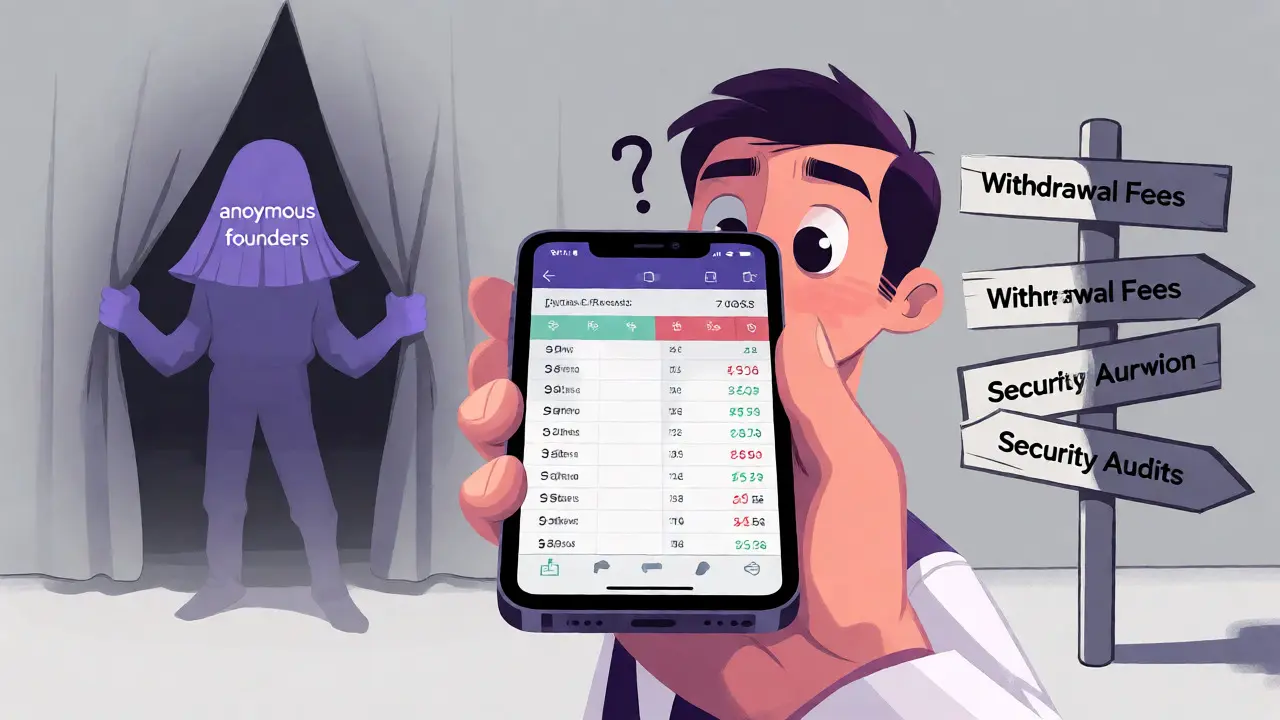
The Liquidity Crisis and Warning Signs
If you look back at the data, the writing was on the wall long before the shutdown. By October 2019, CoinGecko reported Piexgo’s 24-hour trading volume at just USD 3.4 million. Cryptowisser described this as "good, but not great." But things deteriorated quickly. By March 2020, during the initial COVID-19 market crash, neither CoinGecko nor CoinMarketCap could display reliable volume data for Piexgo.
This isn’t just a minor reporting glitch. When major aggregators classify an exchange as an "Untracked Listing" due to insufficient verifiable activity, it signals a severe liquidity problem. Low volume means wide spreads and difficulty executing trades without moving the price against yourself. For a trader, this is a nightmare. You might see a good price on the screen, but when you try to buy or sell, the actual execution price differs significantly because there aren’t enough buyers or sellers.
Furthermore, withdrawal fees remained a mystery. Cryptowisser noted they couldn’t find any public information on how much it cost to withdraw funds. In the crypto world, hidden or high withdrawal fees are often a sign of financial distress. Exchanges under pressure sometimes increase withdrawal costs to discourage users from taking their money out, hoping to retain capital longer. With Piexgo, this opacity added to the risk profile.
Security Claims vs. Reality
Piexgo marketed itself with buzzwords like "advanced security system," "penetration testing," and "monthly security audits." These are standard claims for any reputable exchange. However, unlike giants such as Coinbase or Kraken, Piexgo never published detailed proof of these audits. They didn’t provide links to third-party audit reports or explain their cold storage policies in depth.
For a small exchange, this vagueness is dangerous. Trust is the currency of crypto trading. Without transparent security protocols, users are essentially trusting the word of an anonymous team. And speaking of anonymity, Piexgo never publicly disclosed its founders or key team members. This lack of accountability made it difficult to assess the expertise behind the platform. When the exchange closed, there was no face to hold responsible, no CEO issuing an apology, and no legal entity clearly identified for dispute resolution.

Why Did Piexgo Fail?
Several factors contributed to Piexgo’s demise, creating a perfect storm for failure:
- Lack of Fiat Integration: The inability to buy crypto with local currency (SGD, USD, etc.) severely limited its addressable market. Competitors like Crypto.com and Binance aggressively captured market share by offering easy bank transfers and card purchases.
- Insufficient Liquidity: As volume dropped, so did user interest. A vicious cycle emerged: low volume leads to poor trade execution, which drives away traders, further reducing volume.
- Regulatory Uncertainty: Operating in Singapore provided some prestige, but the regulatory landscape tightened globally. Smaller exchanges struggled to keep up with compliance costs compared to well-funded competitors.
- Transparency Issues: The lack of public information regarding withdrawal fees, security audits, and team identities eroded trust over time.
It’s worth noting that despite professional skepticism, community sentiment metrics showed 93% bullish votes on RootData before the closure. This disconnect suggests that retail investors often overlook fundamental weaknesses until it’s too late. They saw low fees and a nice app, ignoring the empty order books and missing leadership details.
Lessons for Modern Crypto Traders
Piexgo serves as a cautionary tale for anyone choosing a cryptocurrency exchange today. Don’t just look at the fee schedule. Dig deeper into the health of the platform. Here is a quick checklist to avoid ending up with stuck funds:
- Check Volume Consistency: Use aggregators like CoinGecko or CoinMarketCap. If volume is untracked or erratic, walk away.
- Verify Team Identity: Are the founders public? Do they have a track record in finance or tech? Anonymous teams carry higher risk.
- Test Withdrawal Processes: Before depositing large sums, make a small test deposit and withdrawal. Note the fees and speed.
- Look for Proof of Reserves: Since the collapse of FTX, exchanges that publish regular Merkle tree proofs or third-party attestations of reserves are safer bets.
- Assess Regulatory Standing: Does the exchange hold licenses in your jurisdiction? Unlicensed exchanges can disappear overnight with little recourse for users.
Piexgo’s journey from a promising Singapore startup to a forgotten entry in the Exchange Graveyard highlights the brutal nature of the crypto industry. Innovation moves fast, but sustainability requires more than just a slick mobile app. It demands deep liquidity, transparent operations, and robust financial backing. If you are currently trading on a smaller exchange, apply the same scrutiny you would give to Piexgo’s history. Ask yourself: Is my money safe here, or am I just one bad quarter away from being part of another graveyard?
Is Piexgo still active?
No, Piexgo is not active. The exchange officially closed down on April 1, 2021. It has been listed in the "Exchange Graveyard" by Cryptowisser, indicating it has no current operations.
Can I still withdraw funds from Piexgo?
Generally, no. Since the platform shut down without a clear wind-down procedure or asset migration plan announced publicly, most users who did not withdraw their funds prior to April 2021 likely lost access to them. There is no active support channel to process new withdrawals.
Did Piexgo support fiat currency deposits?
No, Piexgo did not support fiat on-ramps. Users could only deposit cryptocurrencies. This meant you needed to buy crypto elsewhere first before transferring it to Piexgo for trading.
Who founded Piexgo?
The founders of Piexgo were never publicly disclosed in major documentation. This lack of transparency regarding the leadership team was one of the criticisms leveled against the exchange during its operational period.
Was Piexgo hacked?
There is no public record of a major hack causing Piexgo's closure. The shutdown appears to have been due to business reasons, primarily low trading volume and potential financial insolvency, rather than a security breach.