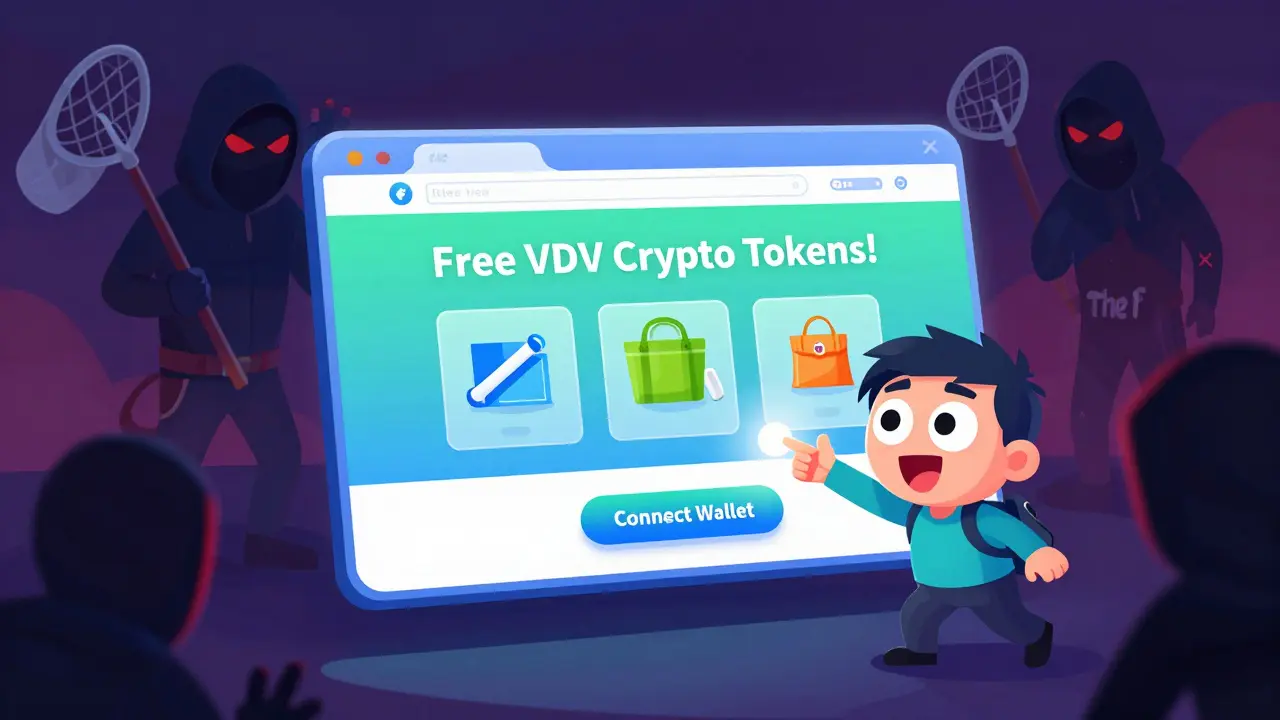
You’ve probably seen the ads popping up on social media or in your email inbox. They promise free cryptocurrency tokens just for making small purchases at a new store called VIRVIA ONLINE SHOPPING. The pitch is simple: buy stuff, get VDV tokens, and watch them multiply in value. It sounds like the kind of opportunity that makes crypto famous-easy money with little effort. But before you connect your wallet or enter any personal details, you need to stop and look closer. This isn’t a legitimate chance to earn digital assets. It’s a sophisticated trap designed to steal your funds.
The short answer is clear: the VIRVIA airdrop is a confirmed scam. There is no real project behind it, no blockchain contract for the VDV token, and no legitimate business operation known as VIRVIA ONLINE SHOPPING. Instead, this is a phishing scheme that mimics the excitement of real airdrops to trick users into handing over their private keys. In this guide, we’ll break down exactly how this scam works, why it looks so convincing at first glance, and most importantly, how you can protect yourself from losing your hard-earned crypto.
The Red Flags of the VIRVIA Airdrop
When a crypto project claims to be giving away tokens, there are usually specific steps involved. Legitimate projects require you to interact with a testnet, join a community Discord, or complete tasks on a platform like Galxe. These actions prove you’re a real user interested in the technology. The VIRVIA scheme skips all of this. Instead, it asks you to do something much more dangerous: connect your main wallet directly to their website.
Marc Kenneth, CEO of blockchain security firm Halborn, pointed out that VIRVIA exhibits every single red flag used by experts to identify fake airdrops. The biggest one? The promise of guaranteed rewards for minimal activity. Real crypto projects don’t give away valuable tokens just because you bought a t-shirt. They build ecosystems. VIRVIA has no ecosystem. It has no whitepaper, no technical documentation, and no verified team members.
Another major warning sign is the domain itself. If you check the registration details for virvia.online, you’ll find it was registered very recently through a privacy service. Legitimate businesses register domains years in advance and provide verifiable contact information. VIRVIA’s domain is hidden, which means if things go wrong-and they always do-you won’t know who to sue or report. This anonymity is a hallmark of fraudulent operations.
| Feature | Legitimate Crypto Project | VIRVIA (VDV) |
|---|---|---|
| Blockchain Contract | Publicly verified on Etherscan/Solscan | None exists |
| Team Identity | Doxxed founders with LinkedIn profiles | Anonymous / Hidden behind privacy services |
| Requirements | Testnet usage, social engagement | Connect main wallet, enter seed phrase |
| Domain Age | Often 1+ years old | Registered weeks/months ago |
| Security Audit | Audited by firms like CertiK or Halborn | No audits; flagged as malicious |
How the VIRVIA Phishing Scheme Works
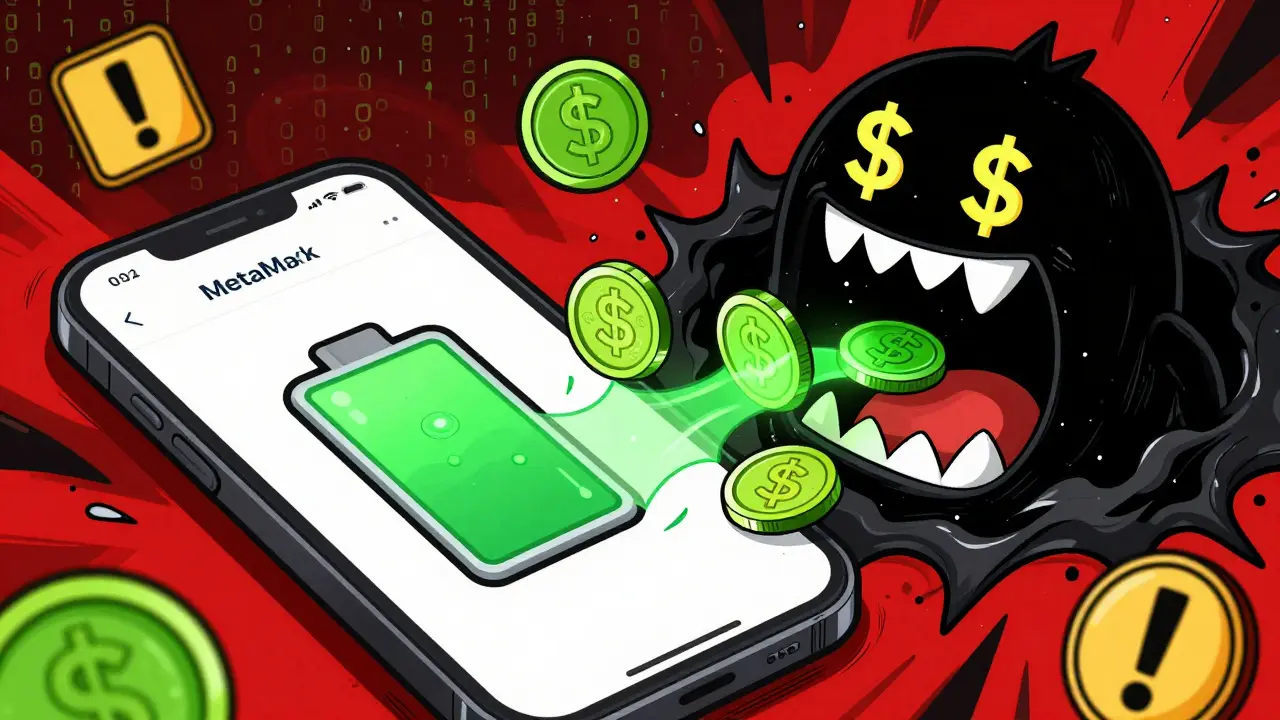
Understanding the mechanics of the scam helps you recognize similar threats in the future. The VIRVIA operation uses a technique called "wallet draining." Here is the step-by-step process they use to target victims:
- The Hook: You see an ad claiming VIRVIA is launching a new token, VDV, and early shoppers will receive a massive airdrop. The visuals look professional, often using templates from popular e-commerce platforms like Shopify.
- The Interaction: To claim your "reward," you must visit their site and connect your cryptocurrency wallet (like MetaMask or Phantom). The site may ask you to approve a transaction that seems harmless, such as checking your eligibility.
- The Trap: Once connected, the malicious JavaScript code embedded in the site exploits the connection. It doesn’t just take the small amount of crypto you might have in your wallet; it drains everything. Worse, some versions of these scams prompt you to enter your seed phrase under the guise of "verification." Never, ever do this.
- The Disappearance: After the theft, the operators move the stolen funds through mixing services like Tornado Cash to hide the trail. Then, they shut down the site and disappear, only to rebrand and start again elsewhere.
This pattern is not unique to VIRVIA. According to Chainalysis, fake e-commerce airdrops made up 31% of all airdrop-related fraud in mid-2025. The average victim lost nearly $800. VIRVIA fits this profile perfectly. Blockchain forensics firm Elliptic reported that wallets linked to VIRVIA had already laundered tens of thousands of dollars before being frozen.
Why VIRVIA Has No Blockchain Presence
If VIRVIA were a real project preparing for a token launch, you would see evidence of it on the blockchain. Developers deploy smart contracts long before an airdrop goes live. These contracts are public records. Anyone can search for them.
We checked Etherscan for Ethereum and Solscan for Solana. There are zero contract deployments for "VIRVIA" or "VDV." This absence is fatal to their credibility. Without a contract, there is no token. Without a token, there is no airdrop. What you are interacting with is a front-end website designed to look like a shop, but it has no back-end utility related to cryptocurrency.
Furthermore, analytics firm Nansen noted in their October 2025 report that there is no credible funding, developer activity, or community growth for any project using the VIRVIA name. Real projects have GitHub repositories where developers share code. VIRVIA has none. They have no Twitter account with meaningful engagement, only bots posting hype. This lack of technical footprint confirms that VIRVIA is a shell company built solely for fraud.
Real Airdrops vs. Fake Promises
It’s easy to feel FOMO (Fear Of Missing Out) when you hear about successful airdrops. Projects like Monad and Hyperliquid have given away millions of dollars to early users. But there is a huge difference between these legitimate opportunities and VIRVIA.
Legitimate airdrops reward participation in a network. For example, Monad users might bridge assets, swap tokens, or provide liquidity. These actions cost gas fees and require time. VIRVIA asks for nothing but access to your wallet. They offer high rewards for zero risk. In finance, if something sounds too good to be true, it almost always is. The "guaranteed" nature of the VIRVIA reward is the biggest lie they tell. Real crypto markets are volatile; no one can guarantee token value.
Community feedback supports this distinction. On Reddit’s r/CryptoAirdrops, moderators have pinned warnings about VIRVIA. Users have documented cases where people lost their entire holdings after connecting to the VIRVIA site. One user reported losing $850 after being tricked into signing a malicious transaction. These stories are consistent across multiple forums, painting a clear picture of danger.
Protecting Yourself from Crypto Shopping Scams
Now that you know VIRVIA is a scam, how do you stay safe? The tactics used here are evolving, so you need robust habits.
- Never Share Your Seed Phrase: No legitimate website, app, or support agent will ever ask for your 12 or 24-word recovery phrase. If a site asks for it, close the tab immediately.
- Use a Burner Wallet: Keep your main holdings in a cold wallet or a hot wallet with minimal funds. Use a separate "burner" wallet for interacting with new dApps or unverified sites. If a burner wallet gets drained, your life savings are safe.
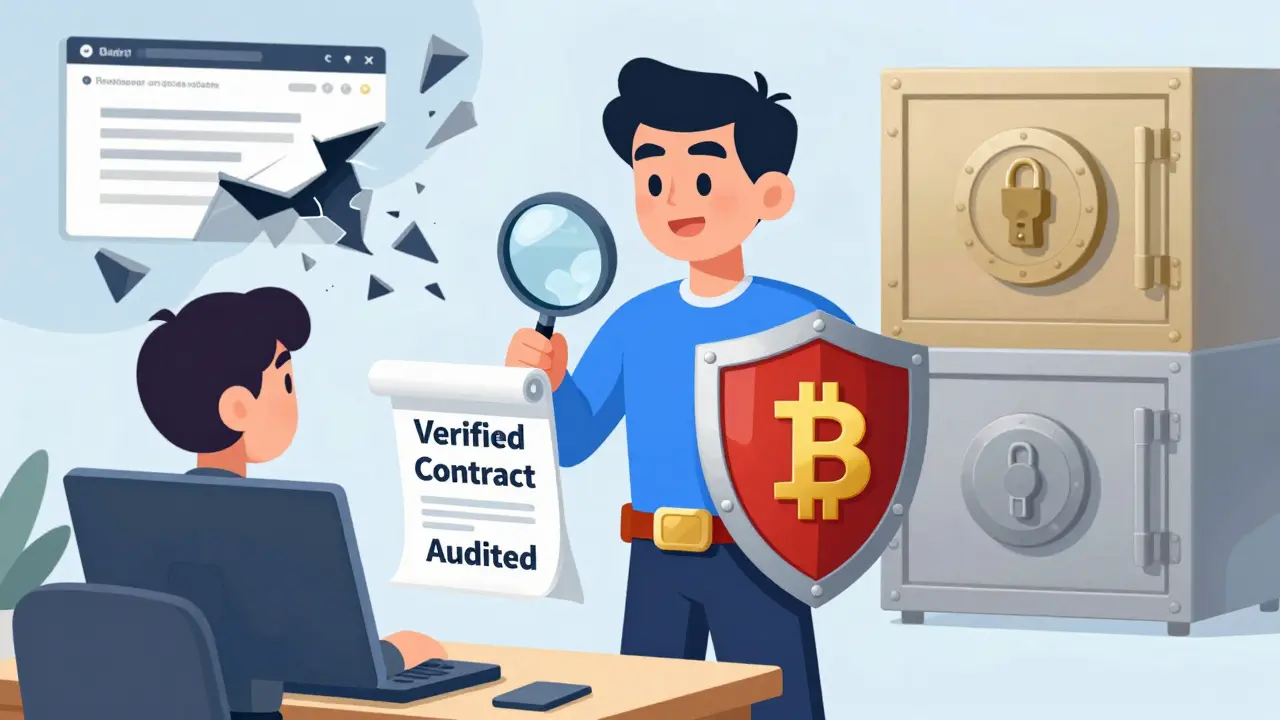
- Verify Contracts: Before participating in any airdrop, check if the token contract exists on a block explorer. Look for audit reports from reputable firms like CertiK or Halborn.
- Check Domain History: Use tools like WHOIS to see when a domain was registered. If it’s less than six months old and promises crypto riches, be skeptical.
- Listen to the Community: Check Reddit, Twitter, and Discord. If no one is talking about the technical aspects of the project, but everyone is talking about how much money they’ll make, it’s likely a scam.
The Federal Trade Commission issued a consumer alert specifically warning about shopping platform token airdrops in late 2025. They listed VIRVIA as a high-risk operation. Ignoring these warnings puts your financial security at unnecessary risk.
What to Do If You’ve Already Interacted With VIRVIA
If you’ve already connected your wallet to VIRVIA ONLINE SHOPPING, act fast. Time is critical.
- Revoke Permissions: Go to revoke.cash or allowlist.io and revoke any approvals you gave to the VIRVIA contract. This stops them from accessing your tokens in the future.
- Move Funds: Immediately transfer any remaining crypto from that wallet to a new, secure wallet. Do not leave anything behind.
- Change Passwords: If you entered any passwords or seed phrases, assume they are compromised. Change your exchange passwords and enable two-factor authentication.
- Report It: File a report with the FBI’s Internet Crime Complaint Center (IC3) and your local authorities. While you may not recover your funds, reporting helps track the scammers.
Remember, once crypto is sent to a scammer’s wallet, it is nearly impossible to reverse. Prevention is the only effective defense.
The Future of VIRVIA and Similar Scams
The VIRVIA operation is currently under investigation by several agencies, including the European Union’s Anti-Fraud Office (OLAF). Experts predict the site will be taken down soon, but the operators will likely return under a new name. They will use the same template, the same promises, and the same malicious code. The brand might change to "XYZ Shop" or "ABC Rewards," but the mechanism will remain the same.
As crypto adoption grows, so does the sophistication of these scams. In 2026, expect to see even more realistic-looking websites and deeper AI-generated content to lure victims. Staying informed and skeptical is your best armor. Don’t let the allure of free tokens cloud your judgment. Real wealth in crypto comes from understanding the technology and participating in genuine networks, not from clicking links on shady shopping sites.
Is the VIRVIA (VDV) airdrop legitimate?
No, the VIRVIA airdrop is not legitimate. It is a confirmed scam designed to steal cryptocurrency from users. There is no actual VDV token, no blockchain contract, and no valid business behind VIRVIA ONLINE SHOPPING. Security firms like Halborn and Consensys Diligence have flagged it as a phishing operation.
How do I know if a crypto airdrop is a scam?
Look for red flags such as requests for your seed phrase, lack of a public smart contract on Etherscan or Solscan, anonymous teams, and promises of guaranteed high returns for minimal effort. Legitimate airdrops require active participation in a protocol's testnet or mainnet and never ask for sensitive private keys.
What should I do if I connected my wallet to VIRVIA?
Immediately revoke all permissions granted to the VIRVIA site using tools like revoke.cash. Move any remaining funds to a new, secure wallet. If you entered your seed phrase, consider those funds lost and create a new wallet setup. Report the incident to the FBI IC3 and your local authorities.
Are there any real shopping-related crypto airdrops?
While some legitimate Web3 commerce platforms exist, they are rare and highly transparent. Most "shopping airdrops" advertised online are scams. Always verify the project’s blockchain presence, team identity, and security audits before participating. Stick to well-known projects listed on CoinGecko or CoinMarketCap.
Who is behind the VIRVIA scam?
The operators of VIRVIA are anonymous. They use privacy services to hide their domain registration and personal details. Law enforcement agencies, including the EU’s OLAF and the FBI, are investigating the group, but individual identities have not been publicly revealed. The scammers frequently migrate domains to avoid takedowns.
Russ Fincham
July 11, 2026 AT 09:31It is absolutely pathetic that people still fall for this garbage. The article spells it out in black and white yet here we are discussing it like it's a debate. You connect your wallet, you lose your funds. It is not rocket science. The lack of due diligence displayed by the average crypto user is embarrassing to watch. Stop expecting handouts and start doing your own research before you click on every shiny object that promises you wealth.
Drew M
July 12, 2026 AT 20:36Oh my gosh 😱 can we just take a moment to appreciate how *daring* these scammers are? 🙄 They literally just slap together a Shopify template and pray someone is dumb enough to give them their seed phrase. It’s almost artistic in its sheer audacity! 🎨✨ But seriously, if you think buying a t-shirt makes you eligible for a life-changing token airdrop, you need to go back to school. 💅📚
Deep Rahman
July 14, 2026 AT 05:07I have been thinking about the nature of trust in digital spaces for quite some time now and it seems to me that when we look at something like VIRVIA we are really looking at a mirror of our own desires because we want the reward without the work and so we ignore the warning signs that are right in front of us. The domain registration being hidden is a big clue but we often choose not to see it because seeing it would mean admitting that we might be tricked which is a hard pill to swallow for many people who believe they are smarter than the system. It is a sad reflection of human nature that greed often outweighs caution even when the evidence is as clear as day.
Melissa Beckwith
July 14, 2026 AT 20:48Let me educate you all on why this is so obvious if you actually paid attention to blockchain fundamentals. A smart contract is the backbone of any legitimate token distribution. Without a deployed contract on Etherscan or Solscan, there is no code executing the logic for the airdrop. Therefore, the 'VDV' token does not exist in any technical sense. It is a hallucination created by frontend JavaScript designed to mimic a dApp interface. Furthermore, the absence of a GitHub repository indicates zero developer activity. Real projects have commit histories. VIRVIA has nothing. It is a hollow shell. If you cannot verify the contract address, you are interacting with a void. This is basic security hygiene. The fact that this needs to be explained repeatedly is concerning.
Josephine Finlayson
July 16, 2026 AT 00:06It is really important that we all stay safe and look out for one another; please remember to never share your seed phrase with anyone ever. I know it can feel exciting to find new opportunities, but protecting your assets should always come first. Let's be kind to ourselves and double-check everything before we proceed. Stay vigilant and take care!
Curtis Johnson
July 17, 2026 AT 13:34Look i get why people are upset but lets not tear each other apart over this. The scammers are clever and they use psychological triggers to make us act fast. Its easy to say you wouldnt fall for it but when you see ads everywhere and friends talking about it the pressure builds up. We should focus on learning from this rather than shaming those who got caught. Everyone deserves a second chance to learn better security habits. Lets keep the community supportive instead of toxic.
Steven Briggs
July 18, 2026 AT 02:25i lost money last year to a similar scheme. it hurts.
Hamza k
July 18, 2026 AT 11:42The audacity of these digital bandits is truly staggering! They wrap themselves in the shiny foil of innovation while picking our pockets with the grace of a clumsy thief. It is a theatrical performance of deceit, a grand illusion where the curtain is pulled back to reveal only empty air and stolen dreams. One must admire the craft, albeit criminal, of constructing such a convincing facade. But let us not forget that behind the screen lies a predator waiting to pounce on the unsuspecting. Stay sharp, my friends, for the wolves are dressed in sheep's clothing made of blockchain hype.
Kim Kay
July 18, 2026 AT 19:16hey everyone just wanted to add that using a burner wallet is super helpful. i used to put all my coins in one place and then i got hacked. now i use a separate wallet for risky stuff. its a bit more work but its worth it. hope this helps u all stay safe out there. dont forget to check the domain age too!
Brad Semp
July 20, 2026 AT 11:26The prevalence of such elementary fraud underscores a disturbing decline in critical thinking among retail investors. While the article provides a competent overview, it fails to adequately emphasize the technical impossibility of the claimed mechanism. There is no VDV token. Period. Any assertion otherwise is demonstrably false. Individuals who engage with such platforms exhibit a willful ignorance of fundamental cryptographic principles. It is imperative that the community adopts a more rigorous standard of verification before extending credibility to unverified entities. Ignorance is not bliss; it is financial suicide.