Travel Rule in Crypto: What It Means for Exchanges and Users
When you send crypto, the Travel Rule, a global anti-money laundering requirement that forces crypto platforms to share sender and receiver info on transactions above a certain amount. Also known as FATF Rule 16, it's not just a technical detail—it's reshaping who can trade, where, and how. This rule isn't optional. If you're using a regulated exchange like ZG.com or KoinBay, they're already collecting your ID, tracking your transactions, and sharing data with authorities. It's the same reason Iranian users get blocked on major platforms—OFAC sanctions and the Travel Rule work together to lock out high-risk regions.
The FATF, the international body that sets global financial crime standards, including crypto rules pushed this rule to stop criminals, terrorists, and state actors like North Korea from hiding money in crypto. But it also hits regular users. If you're in India or Germany, you've likely seen extra verification steps. That's the Travel Rule in action. Even AML crypto, the broader set of tools and laws designed to prevent crypto-based money laundering systems now rely on this rule as their backbone. Without it, exchanges risk losing their licenses—BaFin in Germany, FIU in India, and others enforce it strictly.
That’s why decentralized exchanges like Uniswap and Curve are becoming popular in places like Iran. They don’t collect your personal info, so they don’t have to comply. But that also means they’re not covered by the Travel Rule—and that’s a double-edged sword. You get freedom, but you lose protection. And if you're trying to claim an airdrop or trade a low-liquidity token like BSOP or CHINU, the rule doesn’t apply directly—but the platforms you use to trade them might. The result? A split crypto world: regulated and restricted, or unregulated and risky.
What you’ll find below are real-world examples of how the Travel Rule plays out: from Iranian traders using DAI on Polygon to avoid gatekeepers, to exchanges in Germany struggling with BaFin licensing, to how North Korea exploits mixers to bypass these exact rules. These aren’t theoretical debates. They’re daily realities for people trying to use crypto in a world that’s tightening the screws. This collection shows you where the lines are drawn—and how to navigate them without getting caught.
28
Oct
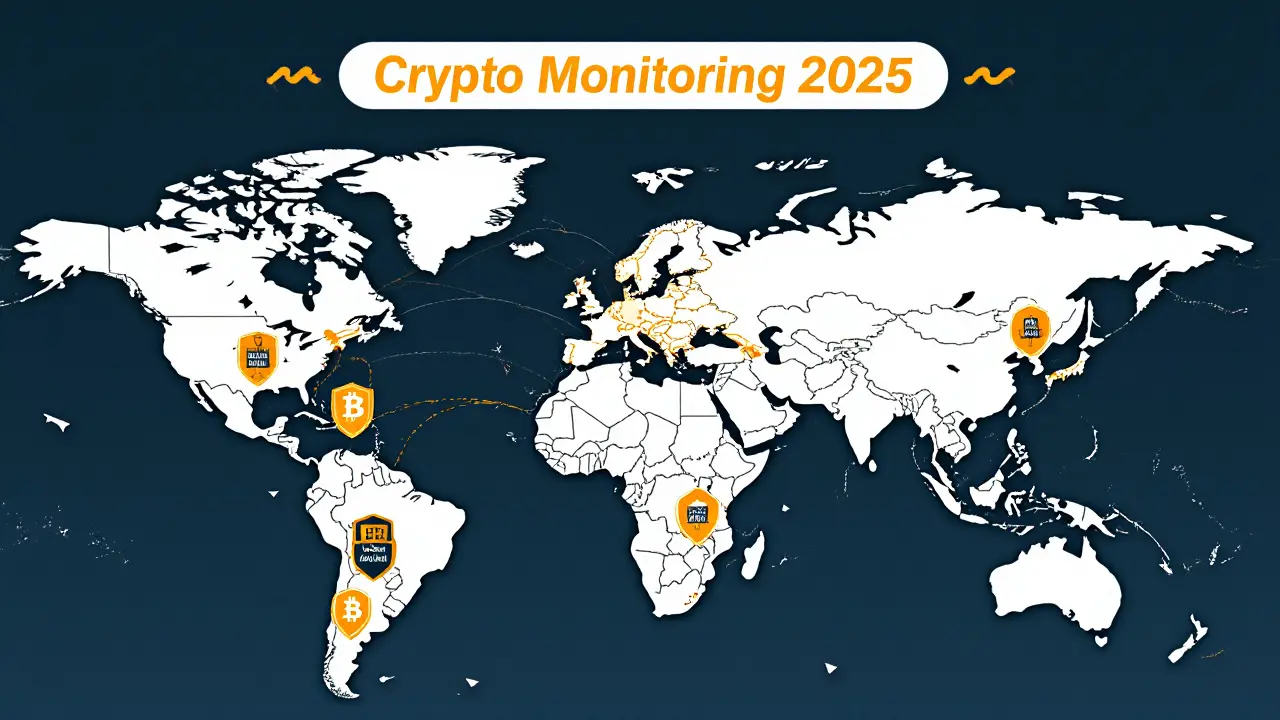
Governments worldwide now require crypto exchanges to track cross-border transactions over $3,000. Learn how the Travel Rule, FinCEN, and MiCA are shaping global crypto compliance-and what you need to do to stay legal.
Read More