Stablecoin Compliance: What It Means for Your Crypto Wallet and Trading
When you use a stablecoin, a cryptocurrency pegged to a real-world asset like the US dollar to reduce volatility. Also known as fiat-backed stablecoins, they’re meant to act like digital cash—but they’re not immune to rules. That’s where stablecoin compliance, the set of legal and operational standards that issuers must follow to operate legally. It’s not optional—it’s the reason your favorite stablecoin still works on exchanges like Binance or Coinbase. If a stablecoin issuer doesn’t follow these rules, regulators step in. And when they do, your ability to trade, send, or even hold that coin can vanish overnight.
Stablecoin compliance isn’t just about paperwork. It’s tied to KYC crypto, the process of verifying a user’s identity before allowing crypto transactions. Most regulated stablecoins require you to pass KYC before buying or cashing out. That’s why platforms like Bxlend or GalaxyOne can offer banking links—they’re following the same rules banks do. But if you’re trading on a DEX in a country like Iran or Colombia, where banks block crypto, you might be using a stablecoin that skips KYC. That’s riskier. It might work today, but it could be shut down tomorrow. And it’s not just about users. Issuers like Tether or Circle must prove they hold enough dollars (or other assets) to back every coin in circulation. That’s called fiat-backed stablecoins, stablecoins that are directly supported by reserves in traditional currency. If they don’t, trust collapses—and prices crash, no matter how popular the coin is. This is why compliance isn’t a buzzword. It’s the backbone of stability. Without it, stablecoins become speculative bets, not reliable tools.
DeFi platforms that accept stablecoins are also under pressure. If you’re lending on Aave or borrowing with MakerDAO, the stablecoin you use has to be compliant—or your loan could get frozen. That’s why projects like Aperture Finance or DODO (BSC) pay attention to which stablecoins they support. They’re not just picking the cheapest or highest-yielding one—they’re checking if it’s legally safe. Even if you don’t care about regulation, your wallet does. A non-compliant stablecoin might get delisted, locked, or seized. And you won’t get your money back.
What you’ll find in the posts below isn’t theory. It’s real-world examples of what happens when compliance meets crypto. From how Colombia’s banking ban affects stablecoin use, to why North Korean crypto networks get targeted by OFAC, to how non-custodial wallets let you bypass restrictions—each post shows the stakes. You’ll see which stablecoins are trusted, which are risky, and why some exchanges vanish overnight. No fluff. Just what you need to know to keep your crypto safe, legal, and accessible in 2025.
14
Nov
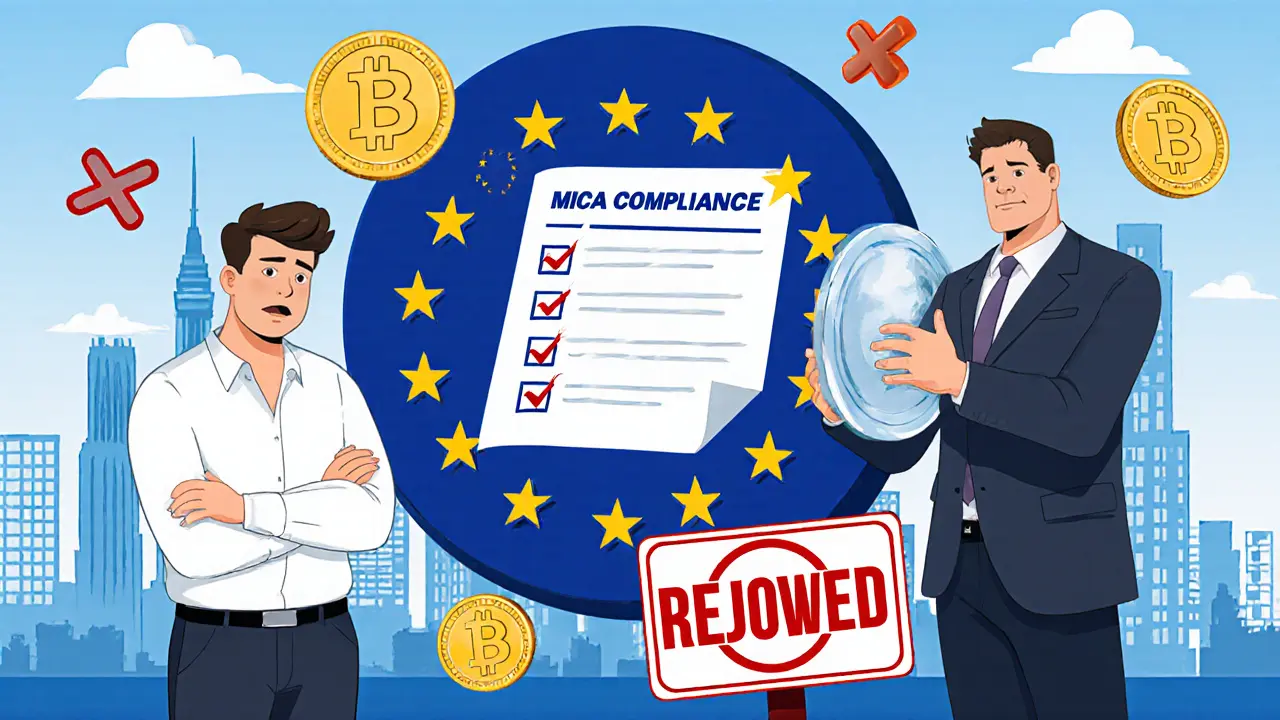
MiCA regulation is now in force for all crypto businesses serving EU customers. This guide covers licensing, stablecoin rules, compliance costs, and what you must do by 2025 to stay legal in Europe.
Read More