Self-Custody Crypto: Take Control of Your Digital Assets
When you use self-custody crypto, a system where you alone control your private keys and have full ownership of your cryptocurrency without relying on a third party. Also known as non-custodial crypto, it means your coins aren’t sitting on an exchange or app—you’re the bank. If you’ve ever lost access to an exchange account or had withdrawals blocked, you know why this matters. No one can freeze your funds, change your rules, or demand ID. But that power comes with responsibility: if you lose your key, your crypto is gone forever.
Private key, a secret code that proves you own your cryptocurrency and lets you spend it is the heart of self-custody. It’s not a password you reset. It’s a 256-bit number, usually shown as 12 or 24 words. Write it down. Store it offline. Never screenshot it. If you use a non-custodial wallet, a software or hardware tool that lets you manage crypto without handing control to a company like MetaMask, Ledger, or Trezor, you’re already in self-custody mode. These wallets don’t store your coins—they store your key. The coins live on the blockchain, visible to everyone, but only you can move them.
Self-custody isn’t just for experts. It’s for anyone tired of waiting for exchange withdrawals, dealing with KYC forms, or watching their funds vanish when a platform gets hacked. That’s why users in countries like Iran and Colombia—where banks block crypto—are turning to DEXs and self-custody tools to trade freely. It’s also why people avoid exchanges like Betconix or KoinBay that lack clear security details. If you don’t hold the keys, you don’t own the crypto.
But here’s the catch: self-custody doesn’t fix bad habits. Storing your recovery phrase on your phone? That’s not secure. Sharing it with a "tech support" person? That’s how you lose everything. You need to understand how to sign transactions, check contract addresses, and recognize phishing sites. That’s why the posts below cover real-world cases—from how OFAC sanctions affect wallet access to why quantum-resistant cryptography might change how we store keys in the future. You’ll find guides on choosing safe wallets, avoiding scams, and using DEXs without getting trapped. This isn’t theory. It’s what people are doing right now to protect their money when no one else will.
18
Sep
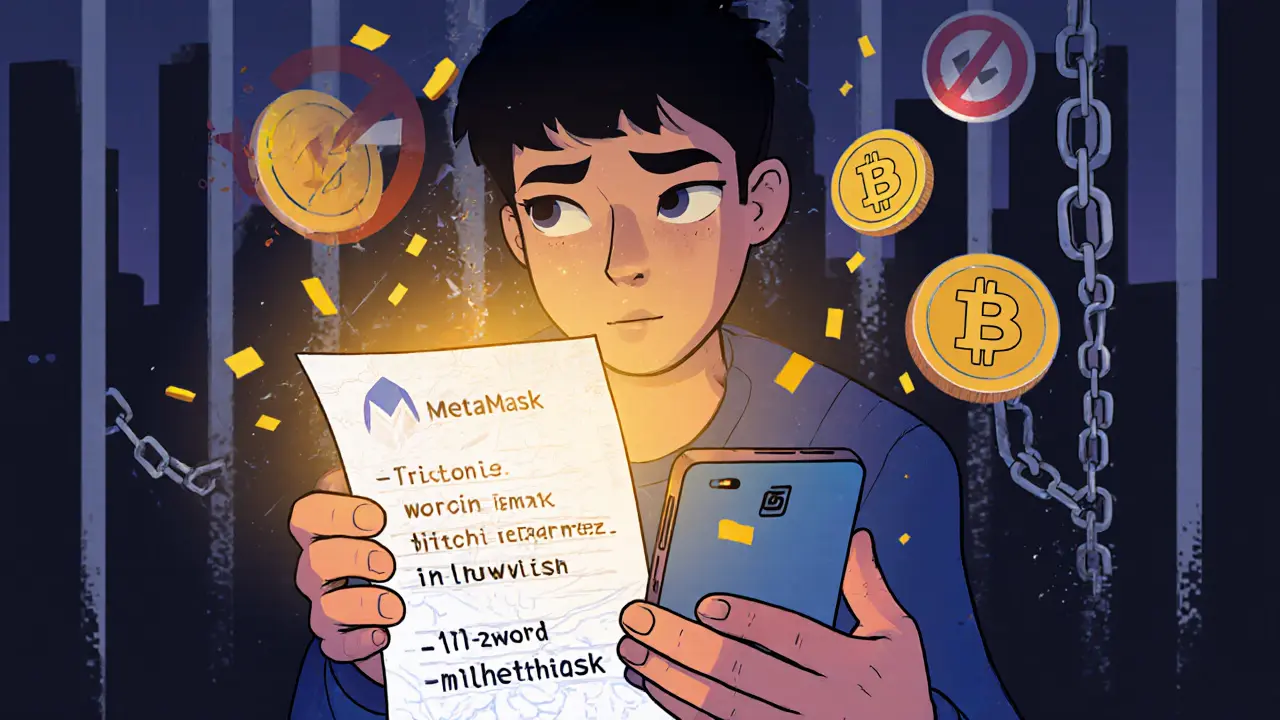
Non-custodial crypto wallets let you own your money without banks or governments in control. In restricted countries, they’re the only way to keep crypto safe from seizures and bans - if you know how to use them.
Read More