IMT Tokenomics: What It Is, How It Works, and Why It Matters
When you hear IMT tokenomics, the economic structure behind a cryptocurrency token that defines how value is created, distributed, and sustained. It's not just about how many coins exist—it's about who gets them, why they matter, and what keeps the system running. Most crypto projects crash because their tokenomics are broken from the start. No amount of hype or flashy marketing can fix a token that gives too much to insiders, offers no real use case, or has no way to control supply. IMT tokenomics, if done right, should answer these questions clearly: Who holds the tokens? How are they earned? What happens when demand changes?
Tokenomics isn’t just a buzzword—it’s the engine behind every successful crypto project. It relates directly to token distribution, how tokens are allocated among founders, investors, users, and the community. If 50% goes to the team with no vesting, you’re setting up for a dump. If 80% is locked in staking with high rewards, you’re creating artificial scarcity that collapses when rewards stop. Then there’s token design, the rules that determine how a token behaves: is it deflationary? Does it burn? Can it be used for governance or fees?. These aren’t theoretical—they’re what separates projects that last from those that vanish in six months. You’ll see this in posts about DODO, CRODEX, and even the DSG airdrop—where tokenomics either enables real utility or just fuels speculation.
IMT tokenomics also connects to DeFi token, a token built to function within decentralized finance systems—used for lending, staking, or swapping without intermediaries. A good DeFi token doesn’t just sit in your wallet. It earns you yield, lets you vote on upgrades, or reduces trading fees. That’s the difference between a meme coin and a functional asset. The posts here cover real examples: over-collateralization in crypto lending, staking rewards, and how exchanges like Bxlend or KickEX handle native tokens. These aren’t random stories—they’re case studies in what works and what doesn’t.
There’s no magic formula for perfect tokenomics. But there are red flags: unlimited supply, no clear utility, excessive pre-mining, or rewards that can’t be sustained. If IMT tokenomics looks too good to be true—like free tokens for signing up with no strings attached—it probably is. The best token models are simple, transparent, and aligned with real usage. You’ll find those examples below—projects that got it right, and those that didn’t. Whether you’re evaluating a new token or just trying to avoid scams, understanding IMT tokenomics is the first step to making smarter moves in crypto.
14
Nov
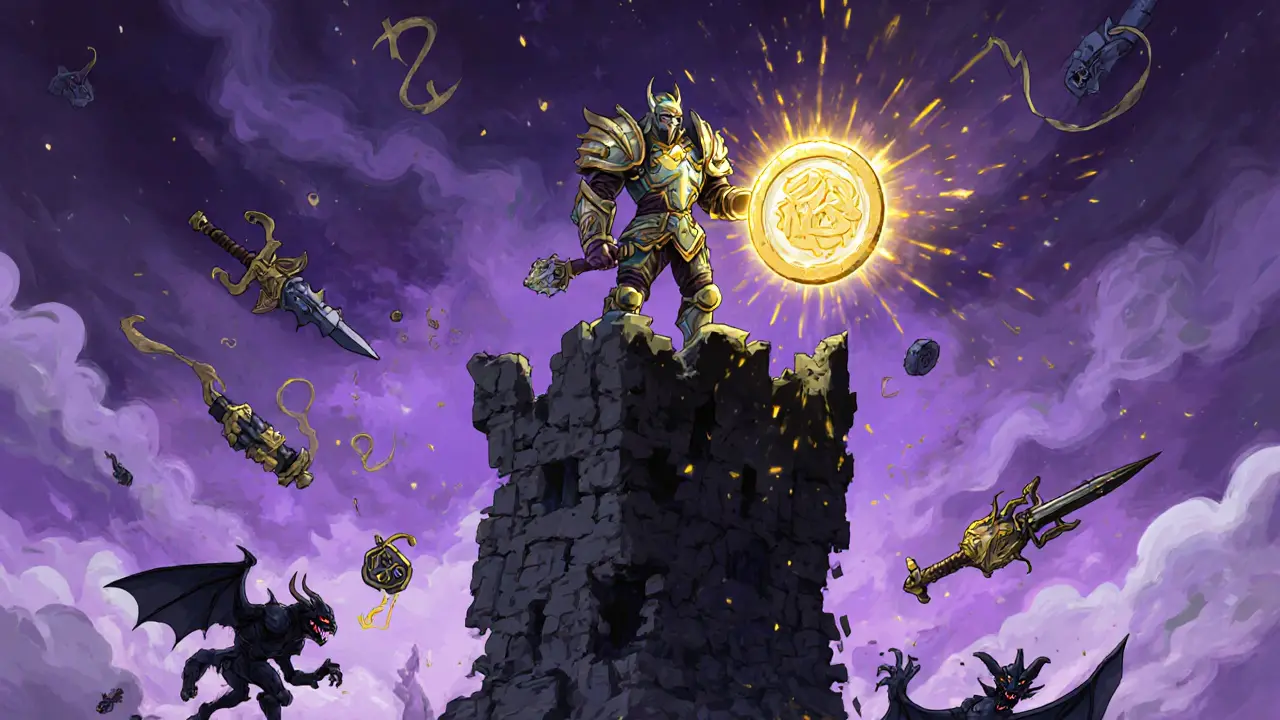
Immortal Token (IMT) is the native cryptocurrency of Immortal Rising 2, a dark fantasy web3 RPG. Players use IMT to vote on game updates, earn rewards, and convert tokens into in-game currency. It runs on Immutable zkEVM for low fees and high speed.
Read More