Gaming NFTs: What They Are, How They Work, and Which Ones Still Matter
When you hear gaming NFTs, digital assets tied to video games that players truly own on the blockchain. Also known as NFT gaming, it’s the idea that your sword, skin, or land isn’t just code inside a game—it’s yours to sell, trade, or use across platforms. This isn’t fantasy. In games like Race Kingdom (ATOZ), a blockchain-based creature racing game on Binance Smart Chain, you breed digital creatures that can earn you tokens. In Immortal Rising 2, a dark fantasy RPG built on Immutable zkEVM, your Immortal Token (IMT) lets you vote on game updates and convert rewards into real value. These aren’t just gimmicks—they’re functional parts of the game economy.
But here’s the catch: most gaming NFTs don’t last. Look at platforms like MakiSwap or AfroDex—once hyped, now dead. They had tokens, but no players. No trading. No future. Gaming NFTs need more than a flashy logo. They need a working game, real players, and a reason to keep playing. That’s why SpaceY 2025’s SPAY, a token tied to a Mars tower defense game with actual gameplay, got attention. People weren’t just buying tokens—they were playing. And that’s the difference. If a game doesn’t feel like a game, it’s just a speculative gamble dressed up as tech.
Many people think gaming NFTs are all about making money fast. But the ones that survive? They’re built around fun first. The best ones give you ownership without forcing you to grind for tokens just to unlock basic features. They let you earn through play, not just speculation. That’s the core of play to earn, a model where real gameplay rewards you with blockchain assets. But it’s not magic. It needs balance. Too much reward? Inflation kills value. Too little? Players leave. The ones that get it right—like Immortal Rising 2 or Race Kingdom—keep their economies tight and their games engaging.
What you’ll find below isn’t a list of the next big thing. It’s a real look at what’s working, what’s dead, and what’s just a scam hiding behind a blockchain label. You’ll see how some gaming NFTs collapsed after a single security breach, how others vanished because no one showed up to play, and how a few still offer real value—if you know where to look. No fluff. No hype. Just what’s actually happening in the world of blockchain games right now.
18
Nov
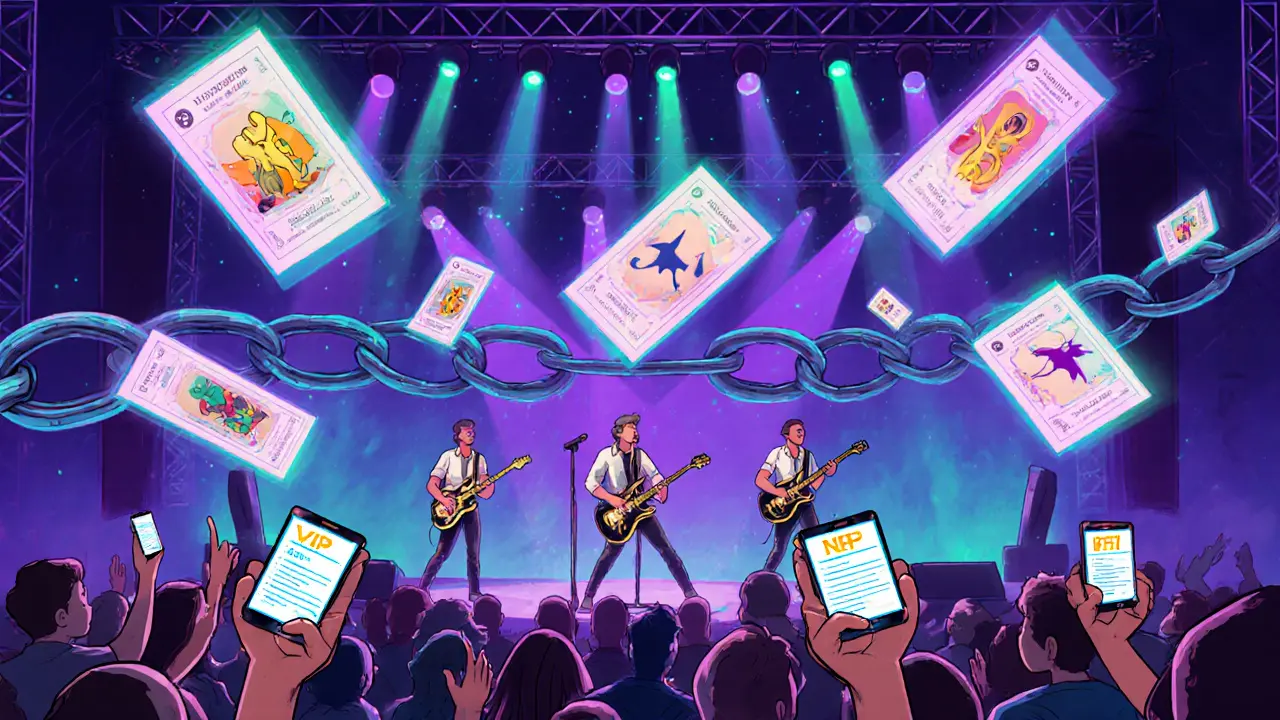
NFTs in entertainment are transforming how music, film, and gaming creators connect with fans. From royalty-sharing music NFTs to exclusive film collectibles, blockchain is enabling direct fan engagement and new revenue models.
Read More