Fake Crypto Exchange: How to Spot Scams and Avoid Losing Your Crypto
When you hear fake crypto exchange, a fraudulent platform pretending to let you trade cryptocurrency while secretly stealing your funds. Also known as sham exchange, it’s one of the most common ways people lose crypto without even realizing they’ve been scammed. These aren’t just sketchy websites—they’re carefully built traps with fake reviews, cloned logos, and even customer support chatbots that sound real. The goal? Get you to deposit your crypto, then vanish overnight with your money.
Decentralized exchange, a platform that lets you trade crypto directly from your wallet without a middleman sounds safer, but scammers copy DEX names too. Look at MakiSwap and AfroDex—both were listed as decentralized exchanges, but had zero trading volume, no active users, and tokens that were essentially worthless. Just because something says "DEX" doesn’t mean it’s real. Meanwhile, crypto security, the practice of protecting your digital assets from theft, fraud, and hacking starts with knowing the difference between a real exchange and a fake one. Real exchanges like Binance or Kraken have public audit reports, verified team members, and years of transaction history. Fake ones? They disappear when you try to withdraw.
Phishing scams, fake airdrops, and cloned websites are all tools used by crypto scam, a deliberate deception to trick people into giving up their cryptocurrency operators. The HAI token airdrop? Didn’t exist. The DSG token airdrop? Required you to pay USDT to vote for listing—classic bait. Even the name "RAI Finance" got reused by scammers after the real project faded. If it sounds too good to be true—free tokens, 1000% returns, no KYC—it probably is. You don’t need to be an expert to spot these. Just check: Is there real trading volume? Are the team names verifiable? Has anyone else reported losing money? If the answer is no, walk away.
Every post in this collection exposes a different fake exchange, scam token, or rigged platform. You’ll see how MakiSwap died with zero trades, how AfroDex never had users, and how Hacken’s token crash opened the door for fake airdrops. You’ll learn how to read between the lines of a token’s contract, spot fake social media accounts, and avoid exchanges that look polished but have no real infrastructure. This isn’t theory—it’s a field guide built from real cases where people lost everything because they trusted the wrong platform. By the end, you won’t just know what a fake crypto exchange looks like. You’ll know how to avoid it before you even click "Connect Wallet".
14
Dec
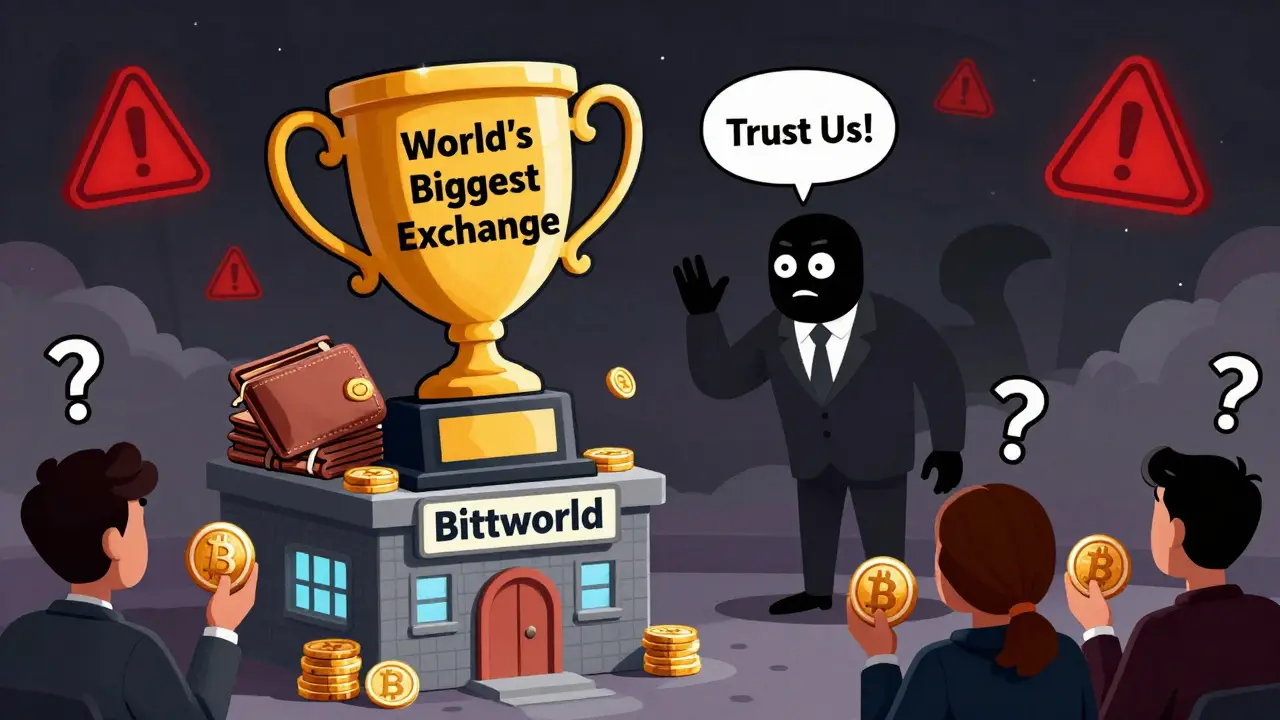
Bittworld claims to be the world's biggest crypto exchange, but it has no verified volume, no regulation, and no users. This review exposes it as a high-risk scam with no legitimate trading infrastructure.
Read More
22
Nov
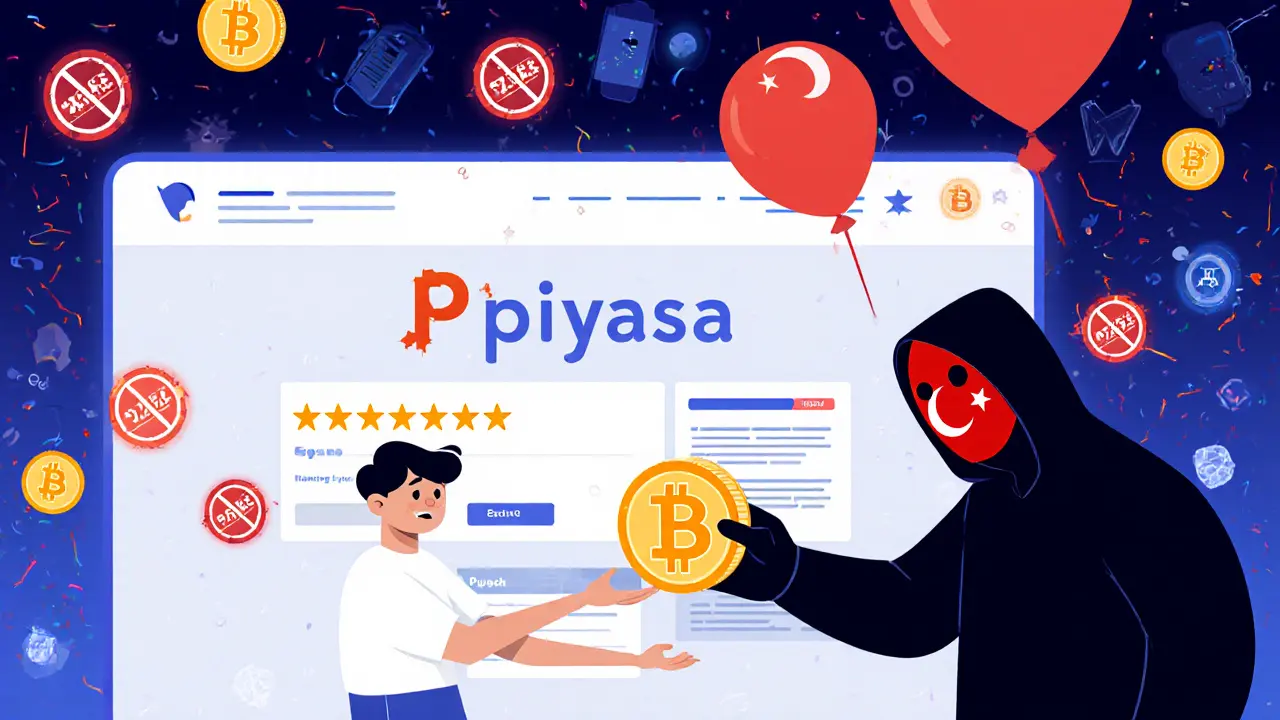
Piyasa Crypto Exchange is not real. It's a scam using a Turkish word for 'market' to trick users. No regulatory licenses, no proof of reserves, no legitimate reviews. Avoid it and use trusted exchanges like Binance or Kraken instead.
Read More