CASP Licensing: What It Is and How It Affects Crypto Compliance
When you hear CASP licensing, a regulatory status for crypto asset service providers under EU law. Also known as Crypto Asset Service Provider registration, it's the legal backbone that lets exchanges, wallets, and staking platforms operate in Europe without breaking the law. This isn’t just paperwork—it’s the line between a platform you can trust and one that could vanish overnight.
CASP licensing requires companies to prove they’re secure, transparent, and compliant with anti-money laundering rules. It’s not just about KYC checks—it means having real audits, clear terms, and proper insurance. If a platform claims to be licensed, ask: Is it registered with an EU authority like FINMA or AMF? If not, it’s playing by different rules. And those rules often leave users exposed. Think of it like a food license for a restaurant: no license, no guarantee the food is safe.
This matters because crypto regulation, the legal framework governing digital asset use and trading. Also known as digital asset compliance, it’s shifting fast. Countries like Germany and France now require CASP registration for any crypto business serving their citizens. Meanwhile, places like the U.S. still rely on patchwork state rules. That’s why you see platforms like Bxlend pushing for EU licensing—they’re trying to play by the new standards. But not everyone is. Some exchanges still hide behind offshore shells, ignoring the fact that users are the ones who get caught when things go wrong.
And it’s not just exchanges. Wallet providers, DeFi protocols, and even NFT marketplaces are starting to feel the pressure. If your wallet doesn’t have a CASP license in Europe, it might not be allowed to offer fiat on-ramps or custody services. That’s why non-custodial wallets are becoming more popular—they bypass the licensing mess entirely. But if you’re using a custodial service, you need to know who’s holding your keys and whether they’re legally allowed to.
There’s a big gap between what regulators want and what most crypto projects deliver. Many platforms still treat compliance as an afterthought—until they get shut down. CASP licensing forces them to act responsibly. It’s not perfect, but it’s the best system we have right now for protecting everyday users.
Below, you’ll find real-world examples of how this plays out: exchanges that passed the test, ones that failed, and how users are adapting when banks refuse to work with crypto. You’ll see how geography, regulation, and technology collide—and what you need to know to stay safe.
14
Nov
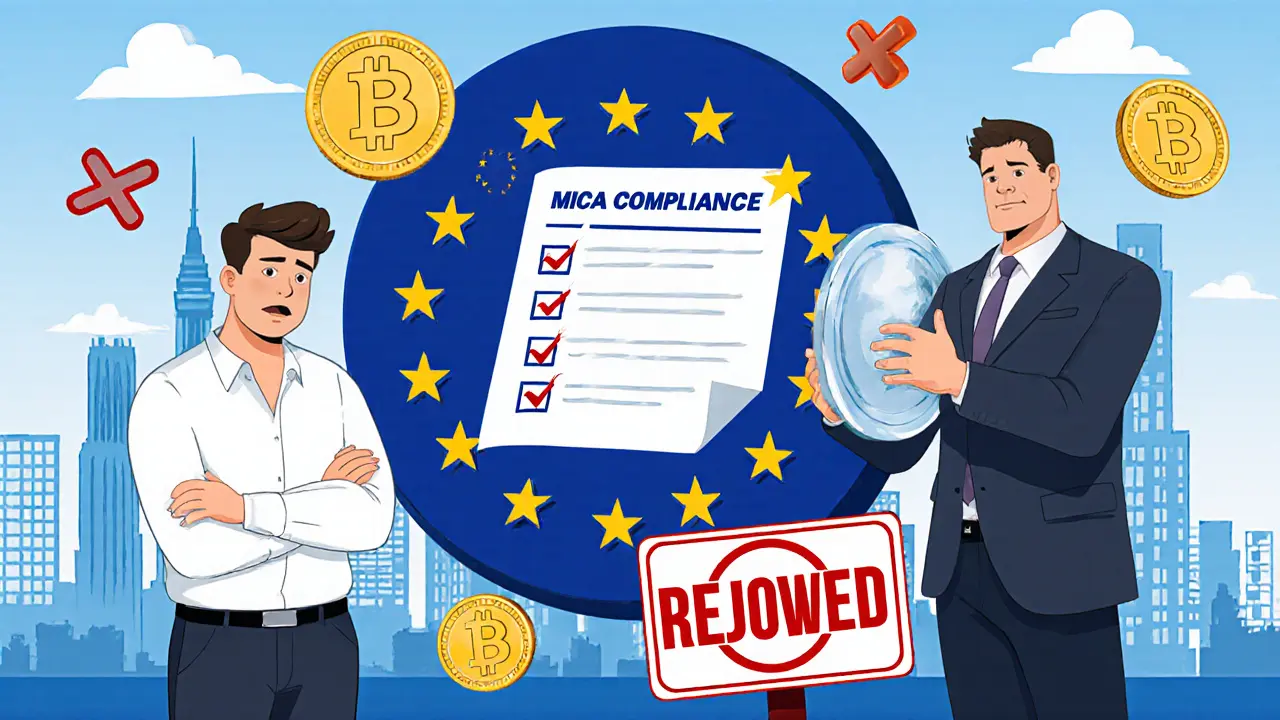
MiCA regulation is now in force for all crypto businesses serving EU customers. This guide covers licensing, stablecoin rules, compliance costs, and what you must do by 2025 to stay legal in Europe.
Read More