ASIC Miners: What They Are, How They Work, and Why They Matter in Crypto Mining
When you think about how Bitcoin gets created, you’re really thinking about ASIC miners, specialized hardware built to solve complex cryptographic puzzles faster than any general-purpose computer can. Also known as application-specific integrated circuit miners, these machines are the unsung engines of blockchain networks like Bitcoin and Litecoin. Unlike your laptop or even a high-end gaming PC, ASIC miners are designed for one thing only: mining crypto. They’re not meant for browsing, streaming, or gaming—they’re built to run nonstop, crunching numbers 24/7 to earn block rewards.
But here’s the catch: mining hardware, the physical tools used to validate transactions and secure blockchains has changed dramatically since 2013. Back then, you could mine Bitcoin with a GPU. Now, that’s like trying to fill a swimming pool with a teaspoon. Bitcoin mining, the process of adding transaction records to Bitcoin’s public ledger using computational power is dominated by ASICs because they’re hundreds of times more efficient. Companies like Bitmain, MicroBT, and Canaan make the top models—devices that cost thousands, use kilowatts of power, and need serious cooling. If you’re still using a GPU today, you’re not mining profitably—you’re paying to run a heater that occasionally prints a few cents in crypto.
That doesn’t mean mining is dead. It just moved. In places like Texas, Kazakhstan, and parts of Canada, where electricity is cheap and regulations are loose, large mining farms run hundreds of ASICs in warehouses. But for most people, mining isn’t about profit anymore—it’s about understanding how the system works. The same forces that made ASICs necessary also pushed crypto toward centralized mining pools and away from individual participation. This shift affects everything from network security to how decentralized crypto really is. If you’ve read about crypto mining rigs in posts about exchange bans or wallet security, it’s because mining hardware ties into the bigger picture: who controls the network, and how hard is it to join?
What you’ll find in this collection aren’t just reviews of mining gear. You’ll see how ASIC miners connect to global regulations, why some countries ban them, how energy use sparks political fights, and what happens when a mining company shuts down overnight. These aren’t tech specs—they’re real-world stories about power, control, and the hidden infrastructure behind every Bitcoin transaction.
19
Oct
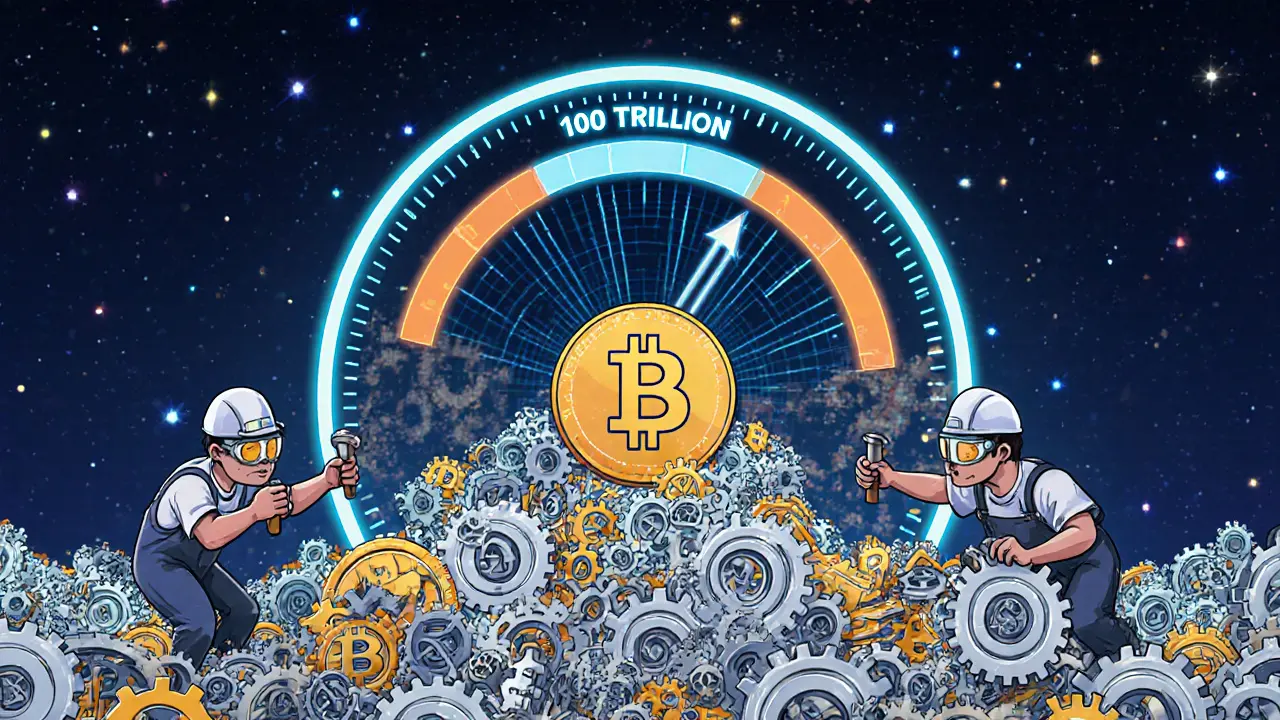
Hash rate and mining difficulty are locked in a self-regulating cycle that keeps Bitcoin's block time at 10 minutes. As more miners join, difficulty rises to maintain stability - ensuring security and predictability for the entire network.
Read More