
Imagine a company with millions of dollars in the bank, but no CEO, no CFO, and no single person who can sign a check. That is the reality for most Decentralized Autonomous Organizations, commonly known as DAOs. The money isn't sitting in a traditional bank account overseen by a finance department; it's locked in smart contracts on the blockchain. This pool of funds is called the DAO Treasury, which serves as the financial backbone of the organization.
If you are involved in a DAO, whether as a contributor, investor, or voter, understanding how this treasury is managed is not just nice to have-it is survival. Poor treasury management has killed promising projects before, while effective strategies have allowed others to thrive through bear markets. In this guide, we will break down exactly how DAO treasuries work, why they differ from traditional corporate finance, and what steps you need to take to ensure your community’s funds are secure and growing.
The Core Purpose of a DAO Treasury
A DAO treasury is more than just a wallet holding cryptocurrency. It is the collective resource that fuels the organization’s mission. When a DAO launches, it typically raises funds through token sales. These initial capital injections form the seed of the treasury. From there, the treasury grows through revenue generated by the protocol, fees from users, or successful investments.
The primary job of the treasury is to allocate these resources efficiently. Unlike a startup that might burn cash quickly to acquire customers, a DAO must balance immediate operational needs with long-term sustainability. The treasury pays contributors for their work, funds development initiatives, supports marketing efforts, and sometimes provides liquidity to the protocol itself. If the treasury runs dry, the DAO stops functioning. There is no venture capitalist stepping in to save it at the last minute. The community owns the risk, and therefore, the community must manage the reward.
How DAO Treasuries Differ from Traditional Finance
To understand DAO treasury management, you first have to unlearn some traditional finance habits. In a standard corporation, financial authority is centralized. A board of directors approves budgets, and executives execute transactions. Transparency is limited to quarterly reports shared with shareholders.
In a DAO, the model is inverted. Here is how the key differences play out:
- Decision-Making: Instead of a top-down approach, decisions are made via governance proposals. Token holders vote on how funds should be spent. This ensures that the allocation of resources aligns with the broader community’s goals, not just the interests of a few executives.
- Transparency: Every transaction in a DAO treasury is recorded on the blockchain. Anyone can view the inflows and outflows in real-time. This level of openness builds trust but also exposes the treasury to public scrutiny. There are no hidden accounts or off-book expenses.
- Asset Composition: While traditional companies hold fiat currency and stocks, DAO treasuries primarily hold cryptocurrencies, tokens, and sometimes stablecoins or NFTs. This introduces unique risks related to market volatility that traditional finance rarely faces on such a scale.
This shift from centralized control to decentralized governance means that speed often takes a backseat to consensus. Moving money in a DAO requires coordination, voting, and execution, which can be slower than a wire transfer but offers greater accountability.
Security First: Protecting the Community’s Assets
Security is the non-negotiable foundation of DAO treasury management. Because the treasury holds significant value and operates without a central authority, it is a prime target for hackers. A single vulnerability can lead to catastrophic losses. Experts consistently emphasize that a security-first approach is mandatory.
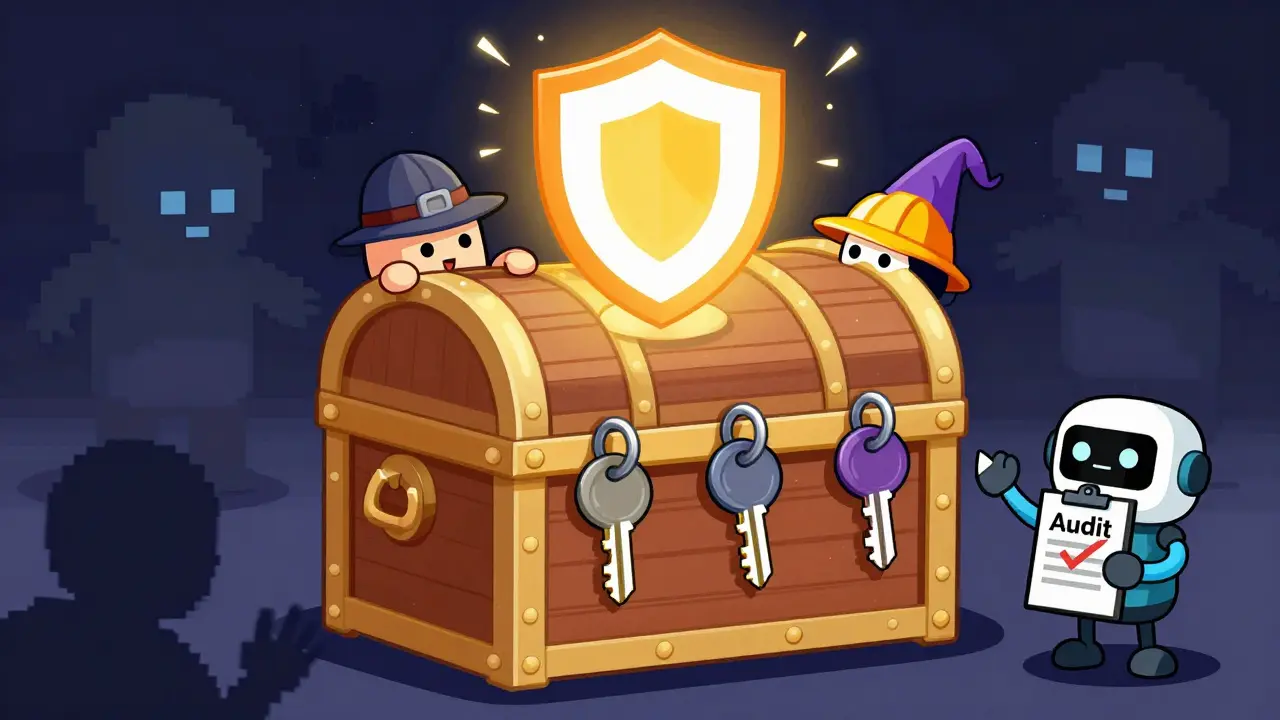
The most common defense mechanism is the use of Multi-Signature Wallets, often referred to as Multisig Wallets. Unlike a standard wallet where one private key controls access, a multisig requires multiple authorized members to approve a transaction before it executes. For example, a DAO might require 3 out of 5 designated signers to agree on a payment. This eliminates the risk of a single point of failure. If one signer’s key is compromised, the attacker cannot move funds without the other keys.
Beyond multisigs, regular Smart Contract Audits are essential. These audits involve independent security firms reviewing the code that governs the treasury’s operations to identify vulnerabilities. Additionally, many DAOs adopt a cold storage strategy, keeping a portion of their holdings in offline wallets that are disconnected from the internet. This protects against online hacks and phishing attacks. Combining these layers-multisigs, audits, and cold storage-creates a robust security framework that safeguards the treasury against both external threats and internal errors.
Governance and Decision-Making Processes
How does a DAO decide where to spend its money? Through governance. This process is the heartbeat of treasury management. It involves creating clear mechanisms for proposing, debating, and voting on financial allocations.
Typically, the process starts with a proposal. A member submits a request for funds, detailing the purpose, amount, and expected outcomes. This proposal is then discussed in forums or chat channels, allowing the community to ask questions and provide feedback. Once the discussion matures, a formal vote is held on-chain. Token holders cast their votes, and if the proposal passes, the funds are released according to the agreed terms.
This system ensures that every dollar spent has community backing. However, it also requires active participation. Voter apathy can stall critical payments or leave the treasury exposed to inefficient spending. To combat this, successful DAOs often implement delegation systems, where members can delegate their voting power to trusted experts who actively participate in governance. This balances broad inclusivity with efficient decision-making.
Risk Management and Diversification
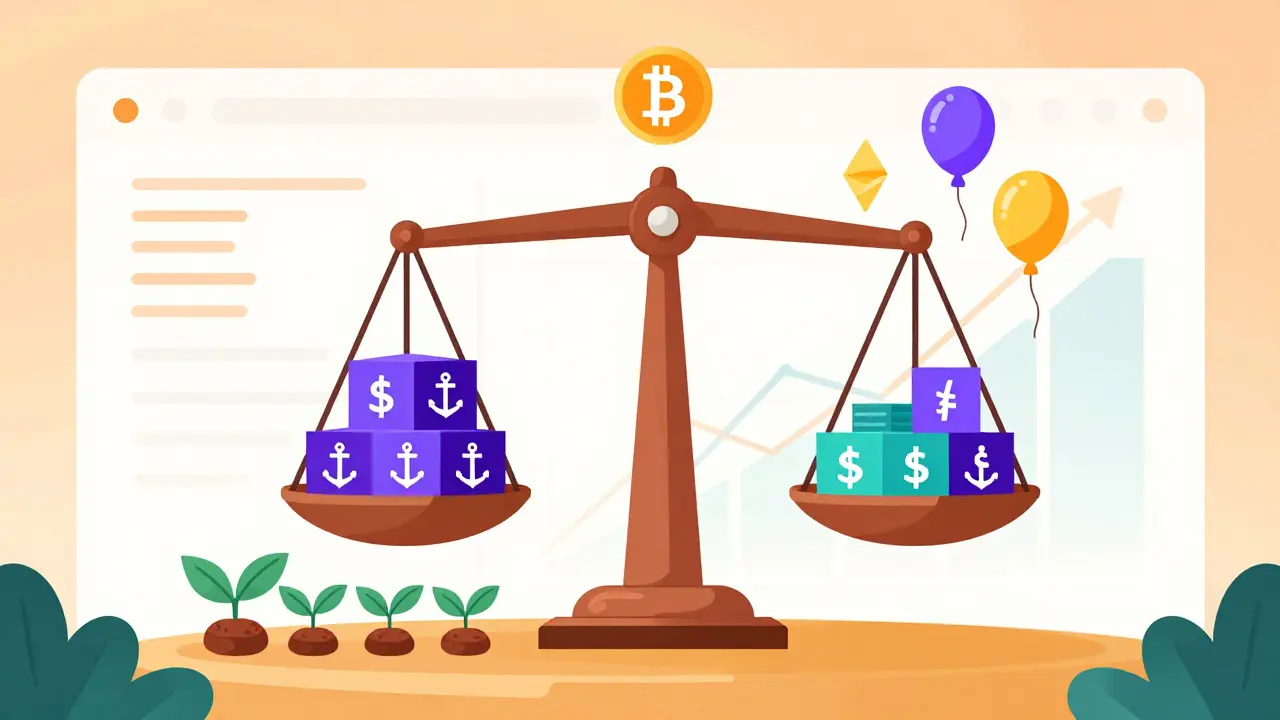
Holding all treasury assets in a single native token is risky. If that token’s price crashes, the entire treasury loses value. Effective treasury management involves diversifying holdings across different asset classes to mitigate market volatility. This is similar to how traditional investment portfolios spread risk across stocks, bonds, and commodities.
Common diversification strategies include:
- Stablecoins: Holding a portion of the treasury in stablecoins like USDC or DAI provides stability and ensures there is always liquid cash available for operational expenses, regardless of crypto market swings.
- Blue-Chip Cryptocurrencies: Allocating funds to established assets like Bitcoin or Ethereum can offer growth potential with lower risk compared to smaller, newer tokens.
- Yield-Bearing Assets: Investing in low-risk DeFi protocols to earn yield on idle funds. This helps the treasury grow passively, offsetting inflation and increasing purchasing power over time.
Risk management also involves monitoring external factors. Regulatory changes, protocol upgrades, and macroeconomic trends can all impact the treasury. A proactive approach includes regularly reviewing these risks and adjusting the portfolio accordingly. For instance, if new regulations threaten certain types of assets, the treasury may need to pivot quickly to compliant alternatives.
Performance Review and Reporting
Accountability is key to maintaining trust within a DAO. Regular performance reviews and transparent reporting keep the community informed about the treasury’s health. These reports should cover key metrics such as total asset value, allocation breakdowns, yield generation, and recent expenditures.
Automated dashboards can help visualize this data, making it easier for members to understand complex financial information. Tools like DeBank or Zapper allow users to track wallet balances and transaction histories effortlessly. By providing clear, concise updates, DAOs foster a culture of transparency and engagement. Members feel more connected when they see how their contributions are being utilized and how the treasury is performing against set goals.
Building Long-Term Sustainability
Ultimately, the goal of DAO treasury management is longevity. A well-managed treasury enables a DAO to weather market downturns, fund innovation, and continue delivering value to its community. It requires a blend of technical expertise, strategic planning, and active community involvement.
As the blockchain landscape evolves, so too must treasury practices. Staying updated on new tools, security standards, and regulatory developments is crucial. DAOs that prioritize sophisticated financial controls and transparent governance will not only survive but thrive in the decentralized economy. Remember, the treasury is not just a pile of coins; it is the lifeblood of the organization. Treat it with the care and attention it deserves.
What is a DAO treasury?
A DAO treasury is the collective pool of financial assets held by a Decentralized Autonomous Organization. It is used to fund operations, pay contributors, support development, and invest in future growth. Unlike traditional bank accounts, it is managed through smart contracts on the blockchain and governed by the community.
Why are multi-signature wallets important for DAOs?
Multi-signature wallets require multiple authorized individuals to approve transactions before they are executed. This prevents any single person from having full control over the funds, reducing the risk of theft, fraud, or accidental loss due to a compromised private key.
How do DAOs make financial decisions?
Financial decisions in DAOs are made through governance processes. Members submit proposals for funding, which are then discussed and voted on by token holders. If a proposal passes the required threshold, the funds are released automatically via smart contracts.
What are the main risks associated with DAO treasuries?
Key risks include market volatility (fluctuations in crypto prices), security breaches (hacks or exploits), smart contract vulnerabilities, and governance failures (such as low voter turnout or malicious proposals). Proper diversification and security measures help mitigate these risks.
Can a DAO treasury generate passive income?
Yes, many DAOs invest their treasury assets in low-risk DeFi protocols to earn yield. This can include lending platforms, liquidity pools, or staking mechanisms. Generating passive income helps the treasury grow and offsets operational costs.