You’ve probably seen the hype. Maybe you got an email promising free BitcoinAsset tokens, or perhaps you stumbled upon a thread on social media claiming that BitcoinAsset X is the next big thing listed on CoinMarketCap. The promise is simple: sign up, do a tiny task, and get rich quick. It sounds too good to be true because, in the world of cryptocurrency, it usually is.
As of mid-2026, there is no legitimate, widely recognized project called "BitcoinAsset" or "Bitcoin Asset [OLD]" that has conducted a major airdrop through official channels like CoinMarketCap a leading digital asset data platform. In fact, if you are reading this, you might be looking at a phishing attempt or a clone scam designed to steal your wallet credentials or trick you into paying for gas fees on a worthless token.
The Reality Behind the "BitcoinAsset" Hype
Let’s clear the air immediately. There is no verified record of a token named BitcoinAsset a suspicious cryptocurrency often associated with scams having a legitimate partnership with CoinMarketCap for an airdrop. CoinMarketCap is extremely strict about which projects they list and promote. They do not just hand out tokens for random websites to distribute without rigorous vetting.
Scammers love to use names that sound similar to established giants. By mixing "Bitcoin" with generic terms like "Asset," they create a sense of familiarity and trust. This is a classic psychological trick. You see the word Bitcoin, and your brain relaxes. Then they add "Airdrop," and your greed kicks in. That combination makes you lower your guard.
If you have been asked to connect your MetaMask or Trust Wallet to a site claiming to be the official distribution portal for BitcoinAsset, stop right now. Disconnecting immediately is crucial. These sites often contain malicious code that can drain your existing assets once you approve a transaction.
How Legitimate Crypto Airdrops Actually Work
To understand why the BitcoinAsset offer is likely fake, you need to know how real airdrops function. Legitimate projects, like 1inch Network a decentralized exchange aggregator known for its successful 2020 airdrop, use airdrops as a marketing tool to reward early adopters who actually used their service.
In December 2020, 1inch distributed 90 million tokens to over 55,000 addresses. But here is the catch: you didn’t just sign up on a website. You had to have traded on their platform before a specific snapshot date. You needed to have made at least four trades or moved $20 worth of volume. This ensured that only genuine users benefited, not bots or scammers.
Compare that to the BitcoinAsset pitch. Did they ask you to use a decentralized exchange? Did they require you to hold a specific NFT from a reputable collection? Or did they just ask for your email address and wallet connection? If it’s the latter, it’s a red flag waving in your face.
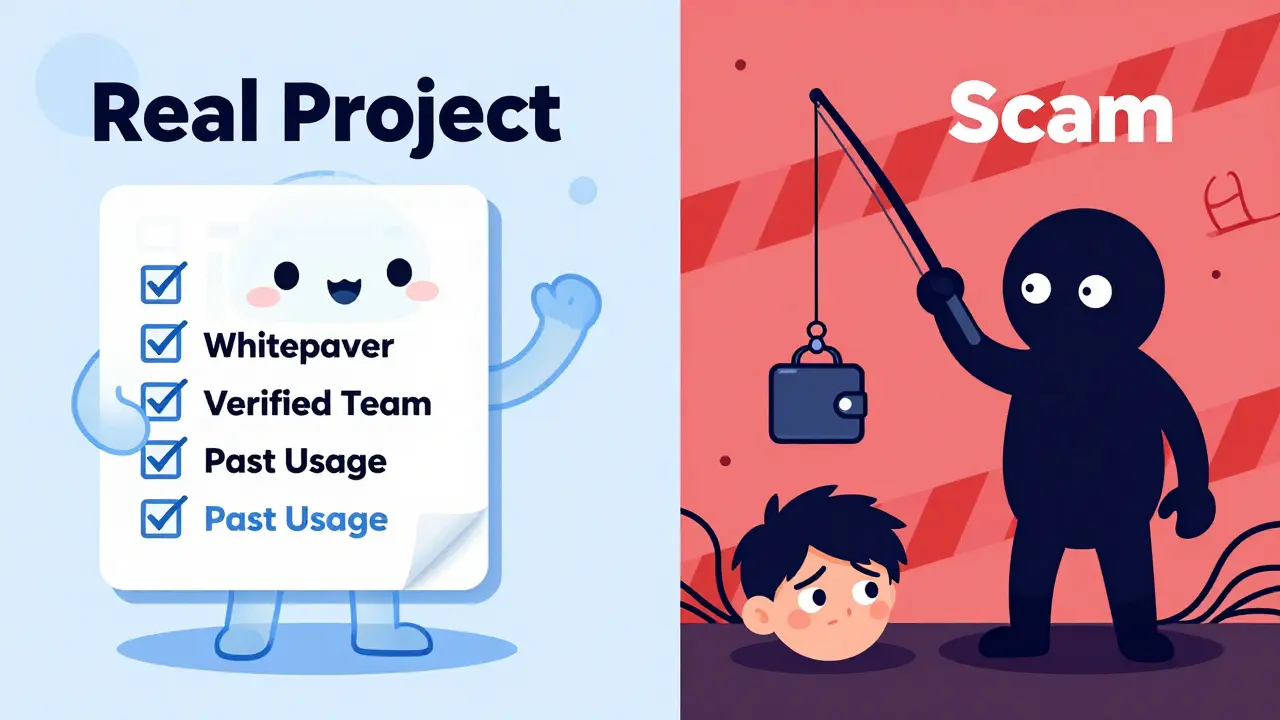
| Feature | Legitimate Project (e.g., 1inch) | Suspicious Offer (e.g., BitcoinAsset X) |
|---|---|---|
| Requirement | Past usage, trading history, holding specific assets | Email signup, wallet connection, small "gas fee" payment |
| Platform | Official website, verified Twitter/Discord | Telegram groups, unsolicited emails, unverified links |
| Cost | Free (except standard network gas fees) | Often asks for upfront payments or "verification" fees |
| CoinMarketCap Status | Listed with clear historical data | Not listed, or claims upcoming listing without proof |
Why CoinMarketCap Is Not Your Get-Rich-Quick Ticket
CoinMarketCap is a data aggregator, not a bank. They track prices, market caps, and trading volumes. While they do feature new listings, they do not manage airdrops directly. When you see a headline saying "CoinMarketCap Airdrop," it usually means a project *listed* on CMC is doing an airdrop, not that CMC itself is giving away money.
Scammers exploit this confusion. They create fake landing pages that look exactly like CoinMarketCap’s interface. They might even copy the CSS styles and logos. If you click a link from an email and it takes you to a URL that isn't `coinmarketcap.com`, you are already in danger territory. Always check the domain name carefully.
Furthermore, legitimate projects announce their airdrops months in advance through official channels. They publish whitepapers, roadmap updates, and community calls. They don’t appear out of nowhere with a vague promise of "free BitcoinAssets."
Identifying the Red Flags in BitcoinAsset Promises
Let’s break down the specific tactics used by these fraudulent schemes. Recognizing these patterns can save you thousands of dollars.
- The "Gas Fee" Trap: You are told the airdrop is free, but you need to pay a small amount of Ethereum or Solana to "claim" it. Once you send that transaction, the money disappears. The token you receive is either non-existent or worthless.
- Urgency and FOMO: Messages will say "Claim ends in 24 hours!" or "Only 500 spots left!" Real projects give you plenty of time. Scammers want you to act fast so you don’t think critically.
- Vague Tokenomics: Can you find a whitepaper for BitcoinAsset? Does it explain what the token does? Who is the team? If the answer is no, run. Legitimate projects have transparent teams and detailed documentation.
- Impersonation: They might claim to be partnered with Binance, Coinbase, or CoinMarketCap. Check the official announcements of those platforms. If Binance hasn’t tweeted about it, it’s fake.
What To Do If You Already Connected Your Wallet
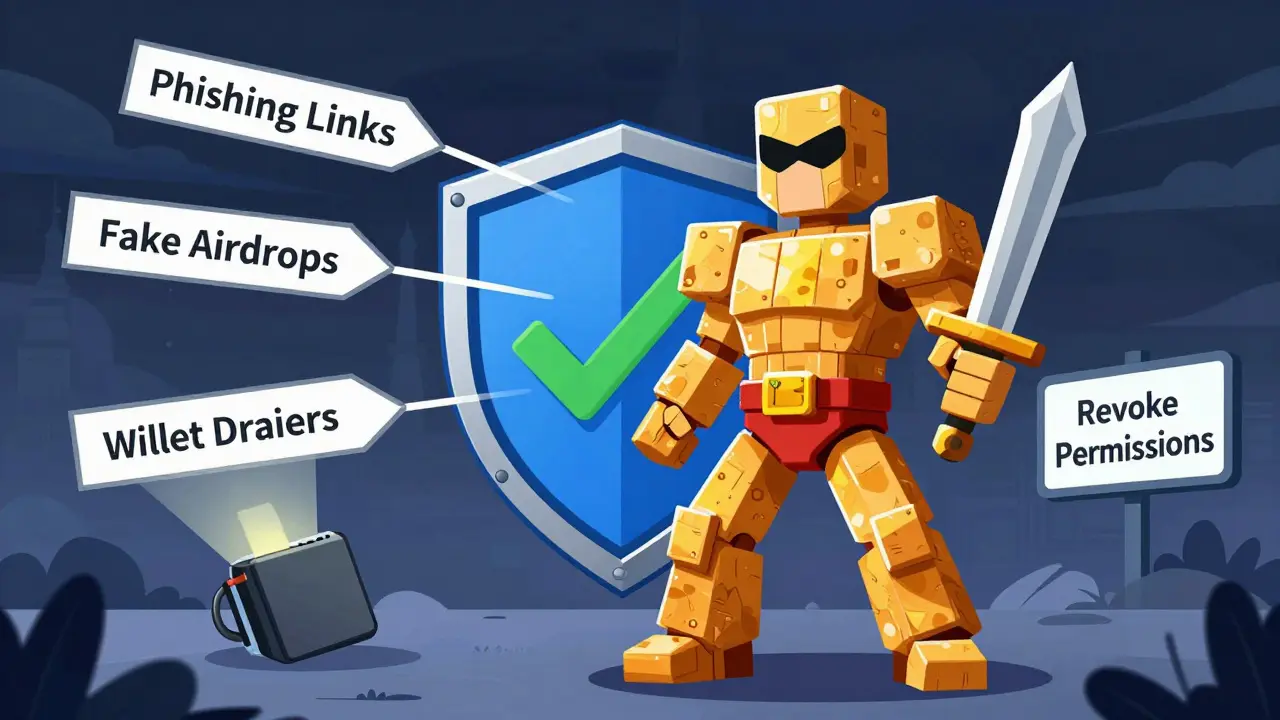
If you clicked a link and connected your wallet to a BitcoinAsset site, don’t panic, but act quickly. Here is your emergency checklist:
- Revoke Permissions: Go to a site like Revoke.cash. Connect your wallet and look for any approvals given to unknown contracts. Revoke them immediately. This prevents the scammer from draining your funds later.
- Move Funds: Transfer your remaining assets to a new, clean wallet. Generate a new seed phrase on a hardware wallet or a freshly installed software wallet. Do not reuse old wallets.
- Check Transaction History: Look at your blockchain explorer (like Etherscan or Solscan). Did you accidentally sign a transaction that sent funds out? If so, document everything. Unfortunately, crypto transactions are irreversible, but reporting helps track bad actors.
- Change Passwords: If you entered your email or password on the fake site, change those passwords immediately. Enable two-factor authentication (2FA) using an app, not SMS.
Staying Safe in the 2026 Crypto Landscape
The crypto space in 2026 is more regulated than ever, but scammers are also more sophisticated. They use AI to generate convincing fake news articles and deepfake videos of famous influencers endorsing bogus tokens.
Your best defense is skepticism. If something sounds too good to be true, it is. Free money doesn’t exist in finance. Projects make money by solving problems, not by giving away value to strangers. Always verify information across multiple independent sources. Check CoinGecko, check the project’s GitHub repository, and read recent comments on Reddit or Twitter. If everyone is silent except the promoters, stay away.
Remember, the goal of these scams is not to build a community; it is to extract value from you. By understanding the mechanics of legitimate airdrops and recognizing the signs of fraud, you protect yourself and your portfolio. Keep your keys private, your expectations realistic, and your curiosity checked by caution.
Is the BitcoinAsset (BTA) airdrop real?
No, there is no verified evidence of a legitimate BitcoinAsset airdrop. Most references to "BitcoinAsset" or "Bitcoin Asset [OLD]" are associated with phishing scams or fraudulent schemes designed to steal wallet credentials or funds.
Does CoinMarketCap host airdrops?
CoinMarketCap lists cryptocurrencies and provides data, but it does not directly host or distribute airdrops. Any claim that CoinMarketCap is giving away tokens directly is likely false. Legitimate airdrops are conducted by the individual projects themselves.
How can I tell if a crypto airdrop is a scam?
Red flags include requests for upfront payments, urgent deadlines, lack of official documentation (whitepapers), and impersonation of major brands. Legitimate airdrops usually require past interaction with the project's protocol, not just signing up on a website.
What should I do if I connected my wallet to a suspicious site?
Immediately revoke all permissions using tools like Revoke.cash, move your remaining funds to a new wallet, and monitor your transaction history for unauthorized transfers. Change any passwords associated with the email you may have shared.
Are there any legitimate airdrops happening in 2026?
Yes, but they are rare and highly competitive. Legitimate airdrops come from well-known DeFi protocols or Layer 1 blockchains that have announced plans months in advance. Always verify through official project channels and reputable tracking sites like DefiLlama.