Crypto Iran: How Sanctions, Exchanges, and Restrictions Shape Trading
When people talk about Crypto Iran, the unique way Iranians access and use digital currencies despite international restrictions. Also known as Iranian cryptocurrency use, it's not just about trading—it's about survival in a financial system under pressure. While most countries treat crypto as an investment, in Iran it’s often a lifeline. With inflation eating away at the rial and Western banks cutting ties, many Iranians turned to Bitcoin and other tokens to protect savings, send money abroad, or buy essentials online. But that freedom comes with heavy restrictions.
OFAC sanctions, U.S. financial restrictions that force global exchanges to block users from Iran are the biggest roadblock. Platforms like Binance, Coinbase, and Kraken don’t allow Iranian IPs or accounts. They don’t want to risk fines or losing their licenses. That’s why Iranian traders often rely on peer-to-peer networks, decentralized exchanges, or offshore platforms with weak KYC. But here’s the catch: many of those alternatives are risky. Scams, frozen funds, and fake airdrops are common. And while some use VPNs to bypass blocks, that doesn’t make transactions safe—it just makes them harder to trace.
Crypto exchange compliance, the steps platforms take to follow global financial laws like those from FATF and OFAC isn’t just a legal formality—it’s what keeps the system from collapsing. Exchanges use blockchain analytics tools to flag transactions linked to Iranian wallets. Even if you’re not in Iran, if your wallet ever interacted with one that is, you could get flagged. That’s why many Iranian users create new wallets from scratch, avoid known addresses, and never reuse addresses across platforms. It’s not perfect, but it’s the reality.
What you’ll find in this collection isn’t theory—it’s what’s actually happening. Posts like How OFAC Sanctions Block Iranian Crypto on Exchanges break down exactly which platforms enforce bans and why. Others look at real tools Iranian traders use, the risks of unregulated exchanges like ZG.com or KoinBay, and how to spot scams disguised as airdrops. You won’t find hype or promises of easy profits. Just straight talk on what works, what doesn’t, and what you need to know to stay safe.
29
Oct
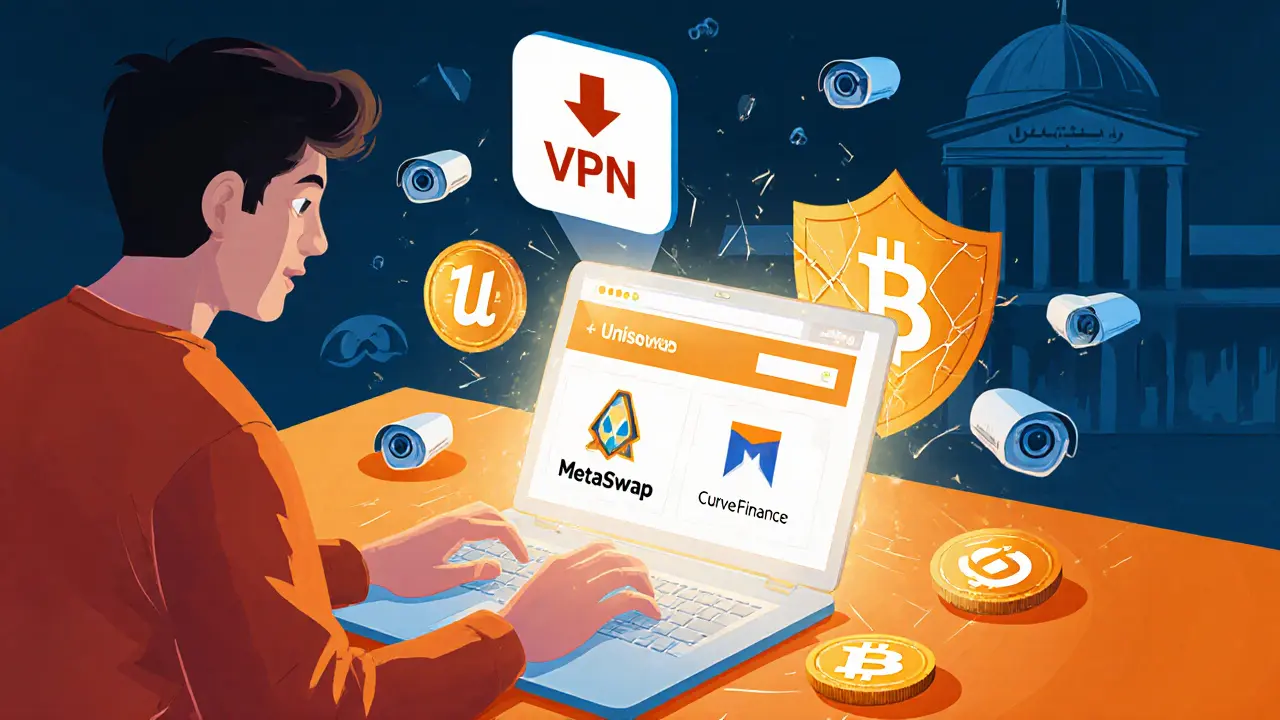
Iranian citizens face strict crypto controls, but decentralized exchanges offer a way to trade without government oversight. Learn how DEXs like Uniswap and Curve, along with DAI on Polygon, are becoming the safest option for Iranians in 2025.
Read More