Remember the rush of hunting for free crypto? If you were active in the Web3 space recently, you might have seen buzz around the N1 token associated with NFTify, an all-in-one platform for creating no-code NFT stores. The N1 by NFTify airdrop wasn't just another random giveaway; it was a structured campaign designed to reward early adopters who actually used the platform. With a total prize pool of $12,300, this initiative aimed to bridge the gap between passive token holders and active marketplace users.
What Was the N1 by NFTify Airdrop?
NFTify is a blockchain-based platform that allows users to launch their own NFT marketplaces without needing coding skills. Think of it as Shopify but for digital collectibles. To celebrate hitting key milestones just two months after its main operations ramped up, the team launched a promotional airdrop campaign distributing N1 tokens to incentivize community growth and platform usage.
The core idea was simple: give away value to people who helped build the ecosystem. Unlike many airdrops that only require you to tweet once and forget about it, this one demanded actual engagement. You had to prove you were interested in using the product, not just flipping the token. This approach helps filter out bots and attracts genuine users who might stick around long after the free money is spent.
Breakdown of the $12,300 Prize Pool
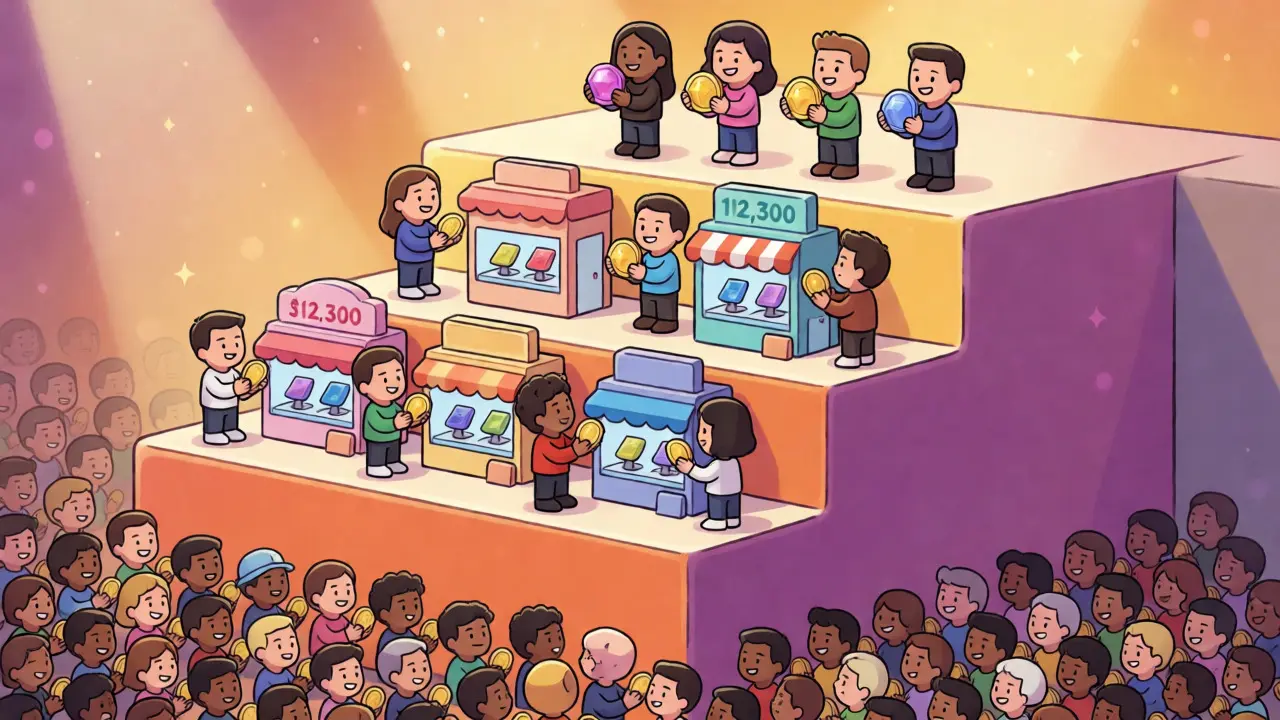
Money talks, and in crypto, details matter. The total pot was split into three distinct tiers, each targeting a different type of user behavior. Here is how the $12,300 was distributed:
| Reward Tier | Total Value | Number of Winners | Per User Amount | Requirement |
|---|---|---|---|---|
| General Participation | $10,000 | 1,000 Users | $10 worth of N1 | Complete social tasks & submit BSC address |
| Store Creator Bonus | $2,000 | First 100 Users | $20 worth of N1 | Register store & list at least one NFT |
| Marketplace Buyer | $300 | 10 Random Buyers | $30 worth of N1 | Make a purchase on the platform |
Notice the strategy here? The bulk of the funds went to general participants to widen the funnel. But the specific bonuses for creators and buyers show where NFTify really wanted traction. They needed stores populated with items and a functioning secondary market. By rewarding those actions directly, they aligned incentives with business goals.
How to Participate: The Step-by-Step Process
If you missed out, understanding the mechanics helps you spot similar opportunities in the future. The campaign relied on standard crypto marketing protocols, primarily hosted on Gleam, a popular platform for verifying contest entries.
- Social Media Engagement: Participants had to follow @NFTify_official on Twitter (now X) and retweet specific promotional posts. This boosted visibility across the network.
- Community Joining: You couldn't just lurk. Joining the official Telegram group and channel was mandatory. This ensured users received real-time updates and could ask questions.
- Technical Submission: Since the project runs on the Binance Smart Chain (BSC), users needed to provide a valid BSC-compatible wallet address. This is crucial because sending Ethereum tokens to a BSC address (or vice versa) often results in lost funds if not handled correctly.
- Verification: All steps were tracked via a Gleam page, which automatically verified tasks like follows and retweets before marking an entry as complete.
The requirement to submit a BSC wallet address highlights the technical layer of the project. While NFTify offers a no-code interface for store creation, the underlying settlement happens on-chain. Users familiar with MetaMask or Trust Wallet likely found this step trivial, while newcomers might have struggled with network selection.
Why Did NFTify Launch This Airdrop?
Airdrops are rarely charity. For NFTify, this campaign served multiple strategic purposes during its early growth phase.
First, it drove user acquisition. Getting 1,000+ wallets interacting with the brand is cheaper than traditional advertising. Second, it tested the infrastructure. Having hundreds of new users connect wallets and potentially interact with the site puts stress on servers and smart contracts, revealing bugs before a full-scale public launch.
Third, it built a community. Crypto projects live and die by their community sentiment. By engaging users on Telegram and Twitter, NFTify created a feedback loop. Early users became advocates, helping moderate discussions and answer newbie questions, reducing the support burden on the core team.
Where Can You Buy N1 Tokens Now?
The airdrop has concluded, meaning new participants can no longer join for free. However, the N1 token remains tradable. If you believe in the long-term vision of no-code NFT marketplaces, you can acquire N1 through major exchanges.
Bitget is one prominent venue offering N1 trading pairs. Beyond direct buying, Bitget provides mechanisms to earn crypto through promotions like Learn2Earn or referral programs. These earned rewards can then be converted into N1 via their swap features or spot trading interface.
When trading, keep an eye on liquidity. Smaller cap tokens can have wider bid-ask spreads, meaning you might pay slightly more to buy and receive slightly less when selling compared to high-volume assets like Bitcoin or Ethereum. Always check the order book depth before executing large trades.
Broader Context: NFT Airdrops in 2026
The N1 campaign fits into a larger trend observed throughout 2025 and into 2026. Airdrops have evolved from simple "free money" events to sophisticated user acquisition tools. We see diverse categories now:
- Layer 1 Protocols: Projects like Monad use airdrops to decentralize security early on.
- Layer 2 Solutions: Networks like Linea reward users for bridging assets, proving utility.
- Tap-to-Earn Apps: Games like Sidekick leverage viral loops for mass adoption.
- DePIN Projects: Initiatives like Grass reward users for sharing bandwidth, tying physical resources to digital value.
NFTify's approach aligns with the "utility-first" model. Instead of just rewarding speculation, they rewarded action-creating, listing, and buying. This distinction matters because it leads to healthier token economies where demand is driven by actual service usage rather than pure hype.
Pitfalls to Avoid in Future Airdrops
If you're chasing the next big drop, learn from the N1 structure to avoid common traps:
- Network Mismatch: Always double-check if the airdrop is on BSC, Ethereum, Solana, or Polygon. Sending funds or expecting claims on the wrong chain wastes time and gas fees.
- Burner Wallets: Use a fresh wallet for airdrops. If a project turns out to be malicious, your main holdings remain safe.
- Phishing Links: Only click links from official channels. Scammers create fake Gleam pages that look identical to the real ones. Verify the URL character by character.
- Token Utility: Ask yourself: Does this token do anything? In NFTify's case, N1 facilitates transactions and governance within the ecosystem. If a token has no clear use case, its price may crash post-airdrop.
Frequently Asked Questions
Is the N1 by NFTify airdrop still active?
No, the campaign has concluded. The official airdrop page indicates that participation is closed, and distribution to eligible winners has been completed. New users should look for ongoing promotions on the NFTify website or other crypto platforms.
What network does the N1 token run on?
The N1 token operates on the Binance Smart Chain (BSC). Participants were required to submit BSC-compatible wallet addresses to receive their rewards.
Can I still buy N1 tokens?
Yes, N1 tokens are available for trading on cryptocurrency exchanges such as Bitget. You can purchase them using fiat currency via credit card or trade them against other cryptocurrencies like USDT or BTC.
Did I need to hold any minimum amount to participate?
The primary tier did not require holding a minimum balance, only completing social media tasks and submitting a wallet address. However, higher-tier rewards required specific platform actions like registering a store or making a purchase.
What happens if I didn't claim my N1 tokens?
Typically, unclaimed airdrops expire after a set period defined by the project team. Once the distribution window closes, unclaimed tokens are usually returned to the project treasury or burned. Check the specific terms of the original announcement for exact deadlines.