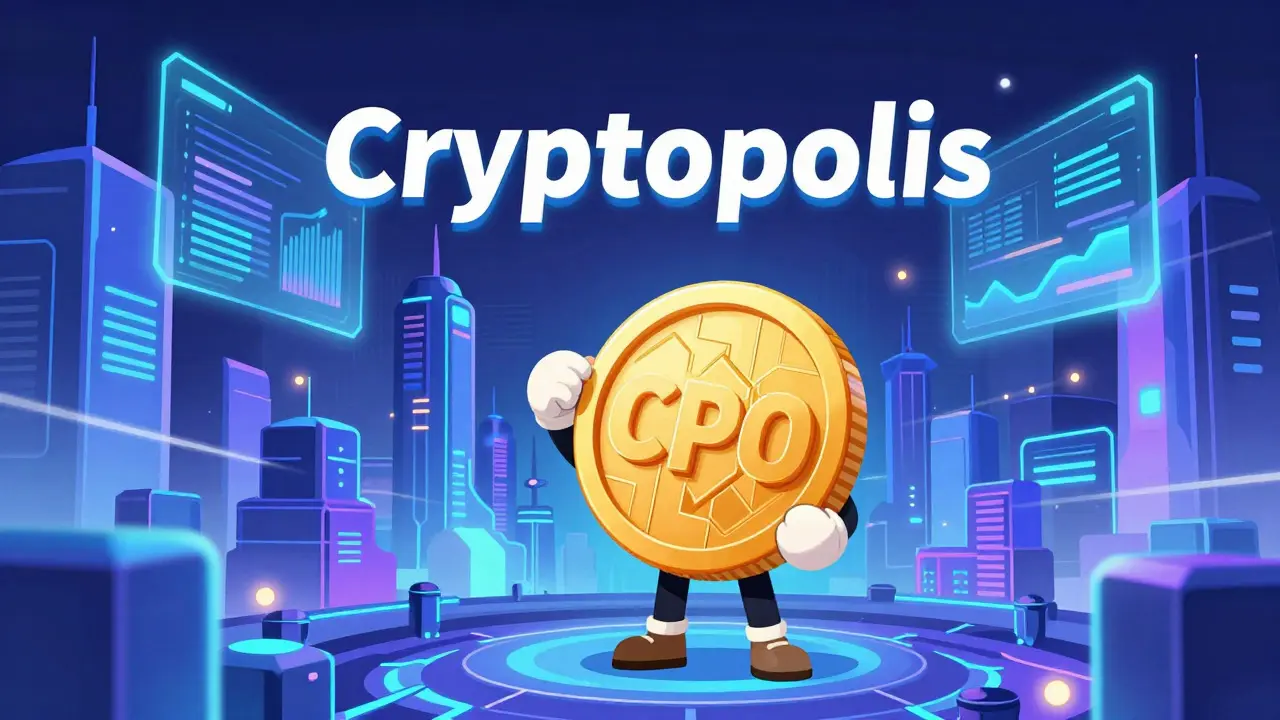
Most people think an airdrop is free money. In the world of Initial Distributions (IDO), it’s usually a marketing tactic with strings attached. If you’re looking at the Cryptopolis (CPO) BIG IDO Launch airdrop, you need to know exactly what you’re getting into before you spend a single satoshi on gas fees.
The core promise here is simple: participate in the launch, hold the CPO token, and potentially get extra rewards. But "BIG" is a relative term in crypto. Is this a genuine utility play or just another pump-and-dump wrapped in shiny packaging? Let’s break down the mechanics, the risks, and how to actually make sense of this opportunity without losing your shirt.
What is the Cryptopolis CPO Token?
Cryptopolis (CPO) is a digital asset designed to facilitate participation in the platform's Initial Distribution (IDO) launchpad and reward community members through airdrops. While specific technical whitepapers for niche IDO platforms can be hard to find immediately, the structure follows standard blockchain protocols. The CPO token likely serves as the governance and entry ticket for the ecosystem.
In most IDO setups, the native token does three things:
- Access: You need CPO to buy into new projects launching on the platform.
- Governance: Holders vote on which projects get listed next.
- Rewards: This is where the airdrop comes in. Holding CPO often qualifies you for free tokens from the projects being launched.
If you don’t already own CPO, you’ll need to acquire it on a decentralized exchange (DEX) or wait for the official presale if one is active. Check the contract address carefully. Scammers love to copy popular project names and create fake tokens. Always verify the contract on a block explorer like Etherscan or BscScan before buying.
How the BIG IDO Launch Works
An IDO (Initial Distribution) is essentially a crowdfunding round that happens on a specialized platform rather than directly on a general exchange. The "BIG" label suggests this is a flagship event, meaning higher visibility and potentially more liquidity involved.
Here is the typical flow for a Cryptopolis-style IDO:
- Whitelist/Registration: Users sign up or stake CPO to enter the lottery.
- Sale Phase: Winners buy the new project's tokens using CPO or stablecoins.
- Vesting: Tokens are locked for a period (e.g., 30-90 days).
- Airdrop Distribution: After the sale, participants receive bonus tokens from the launched project.
The airdrop isn't usually for everyone who holds CPO. It’s typically targeted at those who actively participated in the IDO sale. So, just holding the bag might not get you the full reward. You usually have to engage with the platform’s dApp during the launch window.
Airdrop Mechanics: What You Actually Get
This is the part that confuses most retail investors. There are two types of "airdrops" happening here, and they are different.
Type 1: The Platform Reward. This is the CPO token itself or other rewards from the Cryptopolis team for staking or providing liquidity. This is internal to the ecosystem.
Type 2: The Project Airdrop. This is when the *new* project launching via the IDO gives away its own tokens to the buyers. For example, if Project X launches on Cryptopolis, Project X might give 5% of its supply to everyone who bought into their IDO round.
You need to read the specific terms for the "BIG" launch. Does the airdrop require minimum purchase? Is it pro-rata based on investment size? Or is it a flat rate for all participants? Flat rates favor small investors; pro-rata favors whales. Knowing this changes your strategy completely.
| Feature | Platform Native (CPO) | Launched Project Token |
|---|---|---|
| Source | Cryptopolis Team | New Project (e.g., Project X) |
| Requirement | Stake CPO / Provide Liquidity | Buy into IDO Sale |
| Liquidity | Usually high (established token) | Low initially (new listing) |
| Volatility | Moderate | Extreme |
| Exit Strategy | Hold for governance/rewards | Sell on listing day for profit |
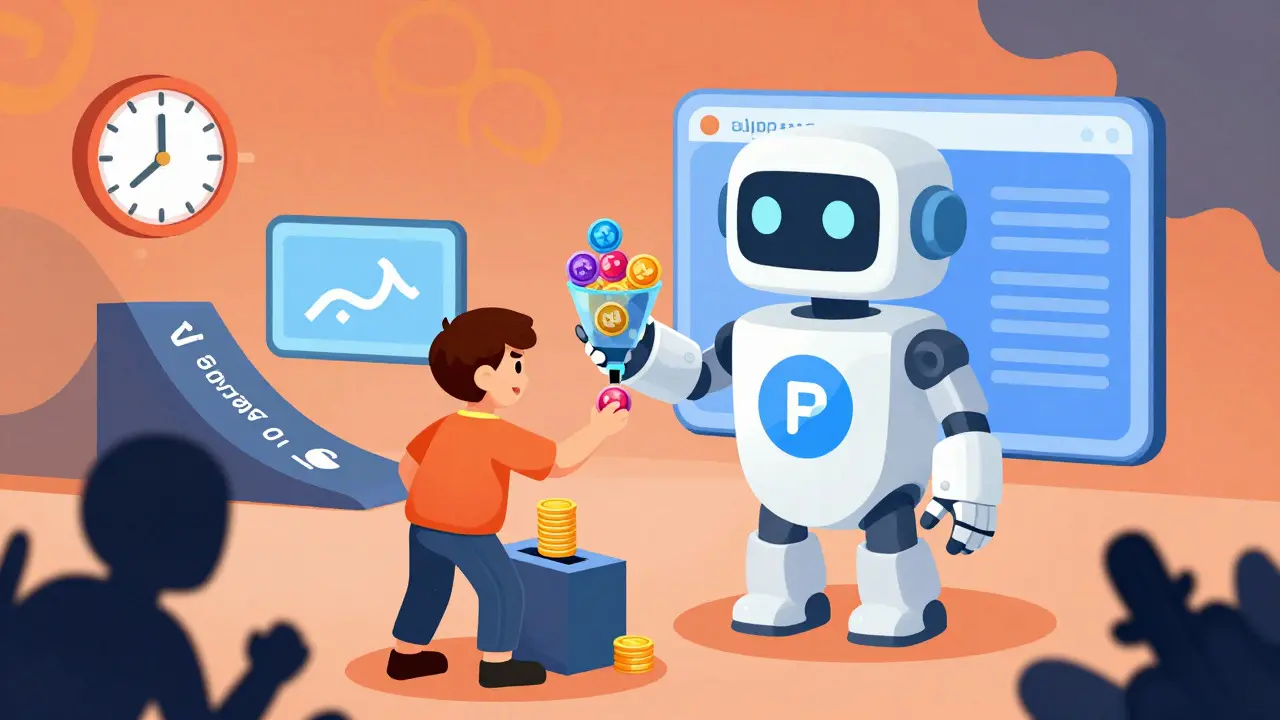
Risk Assessment: Where People Lose Money
Let’s be honest. IDOs are high-risk environments. Here are the three biggest traps:
1. The Rug Pull. If the launched project has no real product, the team might dump their tokens on early buyers. Always check the team’s background. Are they anonymous? Do they have a track record? Use tools like CertiK or GoPlus to scan the contract for hidden mint functions or owner privileges.
2. Slippage and Gas Fees. During a "BIG" launch, network congestion spikes. Your transaction might fail, or you might pay 5x normal gas fees. If you’re on Ethereum Mainnet, this can eat your entire profit margin. Consider using Layer 2 solutions or networks like BNB Chain or Polygon if Cryptopolis supports them.
3. Vesting Periods. Many IDO tokens are locked. You might get your airdrop, but you can’t sell it for 6 months. If the market crashes in the meantime, your "free" money is worth less. Factor in the time value of your capital.
Step-by-Step Participation Guide
If you’ve decided the risk is worth it, here is how to execute safely.
- Verify the Contract: Find the official CPO token contract address from the Cryptopolis website or verified social channels. Cross-reference it on CoinGecko or CoinMarketCap.
- Prepare Wallet: Use a dedicated hardware wallet or a fresh software wallet. Don’t use your main wallet for high-risk IDO sniping.
- Fund Up:** Buy CPO or USDT on a major exchange, then bridge it to the relevant network (Ethereum, BSC, etc.). Keep 10-15% extra for gas fees.
- Connect to DApp: Go to the Cryptopolis platform. Connect your wallet. Make sure you’re on the correct network.
- Participate in IDO: Follow the instructions to buy into the launch. Set your slippage tolerance appropriately (usually 5-10% for volatile pairs).
- Claim Airdrop: After the sale ends, check the "Rewards" or "Airdrop" tab. Claim your tokens before the deadline.

Is It Worth It? A Realistic View
There is no guaranteed profit in crypto. The "BIG" IDO launch by Cryptopolis offers a chance to gain exposure to early-stage projects, which can yield high returns. However, the average return on IDOs has declined over the last few years due to market saturation.
Your edge comes from speed and information. If you act fast, verify thoroughly, and manage your position size (never put more than 5-10% of your portfolio into a single IDO), you can mitigate most risks. Treat the airdrop as a bonus, not the primary goal. The primary goal should be a disciplined entry and exit plan for the new project’s token.
Keep an eye on the official announcements for exact dates and allocation details. Missing the window means missing the airdrop entirely. Set reminders. Crypto moves fast, and FOMO (Fear Of Missing Out) leads to bad decisions.
Frequently Asked Questions
Do I need to buy CPO to get the airdrop?
Usually, yes. Most IDO platforms require you to hold or stake the native token (CPO) to qualify for participation and subsequent airdrops. Check the specific campaign rules, as some may allow direct payment in stablecoins, but holding CPO often increases your allocation weight.
What is the difference between an IDO and an ICO?
An ICO (Initial Coin Offering) is a direct fundraising round by a project. An IDO (Initial Distribution) happens on a third-party launchpad platform like Cryptopolis. IDOs generally offer better security because the platform vets the project, and they often include built-in mechanisms for vesting and liquidity pools.
How do I avoid fake CPO tokens?
Always verify the contract address on a trusted aggregator like CoinGecko or the official Cryptopolis website. Never click links from random Telegram messages or unverified Twitter accounts. Scammers create tokens with the same name but different contract addresses to trick investors.
When will the airdrop tokens be tradable?
This depends on the specific project's tokenomics. Some tokens unlock immediately after the IDO sale ends, while others have a vesting schedule of 30 to 180 days. Read the whitepaper or the FAQ section of the launch page for the exact unlock timeline.
What are the gas fees for participating?
Gas fees vary by network. On Ethereum Mainnet, expect $10-$50+ per transaction during peak times. On BNB Chain or Polygon, fees are significantly lower, often under $1. Always keep extra funds in your wallet to cover potential failed transactions or retries.
Sarah Hafner
August 18, 2026 AT 01:10Just a quick heads up for anyone thinking about jumping in here. I've been tracking these IDO launches for a while now and the 'BIG' label is usually just marketing fluff to get volume on day one :). The real value isn't in the hype, it's in checking if the team behind Cryptopolis actually has any skin in the game. If you look at their previous projects, most of them had terrible retention rates after the initial pump. So maybe don't go all in just because the title says BIG. It’s safer to treat this as a small experiment rather than your whole portfolio.
Susan Kiley
August 19, 2026 AT 21:48Oh, how *quaint* that the common folk still believe an airdrop is anything other than a sophisticated mechanism for liquidity extraction by the elite. :D You see, while you are busy worrying about gas fees, we are analyzing the underlying tokenomics which clearly favor long-term holders with significant capital. The average retail investor simply lacks the intellectual capacity to understand the vesting schedules, but do try not to lose too much money while you figure it out.
Gary Straiton
August 21, 2026 AT 10:50This is exactly why American innovation is being strangled by these foreign-born crypto schemes! We need to support domestic platforms, not some random launchpad that probably doesn't even have a physical office in the US. The fact that they are using Ethereum or BSC instead of a home-grown chain shows a lack of patriotism. Let's boycott until they prove they care about the American taxpayer and the American economy. This is a threat to our financial sovereignty!
alex fordy
August 22, 2026 AT 23:29I think there is a lot of noise in this thread, but let's step back and consider the philosophical implications of decentralized finance. Is the 'airdrop' truly free, or is it merely a deferred payment for attention? In my view, the act of participating is itself a form of labor. 🤔 However, if you decide to engage, ensure that your wallet security is paramount. A hardware wallet is not just a tool; it is a statement of intent regarding self-sovereignty. Take your time with the research. The market rewards patience over panic. 📈
Mohamed Shoaeb
August 24, 2026 AT 05:30hey everyone from india here. i think people are overthinking the risk part. sure there are scams but if you check the contract properly its fine. i did the last big ido on this platform and made like 15% profit before selling. not bad for a few days of work. the key is just to not hold too long. sell when you see green candles. good luck guys :)
Sonia Gomez Gomez
August 26, 2026 AT 02:18You really should be more careful with your money, honestly. It’s almost irresponsible to put so much faith in anonymous teams without due diligence. Most people who fall for these 'BIG' launches are just chasing FOMO and end up holding bags worth less than a cup of coffee. :( It’s better to stick to blue chips where the regulation is clear and the risk is lower. Don’t make mistakes that will haunt you later.
SHIV SHANKAR KANTA
August 26, 2026 AT 05:45The soul of the market is broken... only those who feel the pain of the rug pull can truly understand the beauty of the dip. We are all just leaves in the wind of volatility. Why do we seek certainty in a world of chaos? The airdrop is a mirror reflecting our own greed. Do not fear the loss for it is the teacher of wisdom...
Jay Johhnston
August 27, 2026 AT 19:56Agreed with the point about verifying the contract. I’ve seen too many people get burned by fake tokens. Always double-check on CoinGecko. It’s a small step that saves a lot of headache later. Also, keep an eye on the official Twitter for any changes to the schedule. Things move fast in this space.
Niall O'Rourke
August 29, 2026 AT 06:32Actually the opposite is true. The real opportunity lies in ignoring the mainstream advice. These platforms thrive on confusion so if you just follow the herd you will lose. The smart money is already out. They know what you don't. Just wait for the crash and buy the dip then. That is the only way to win in this rigged game.
Jillian Groskreutz
August 29, 2026 AT 22:44Firstly, let us establish the fundamental error in assuming that 'BIG' equates to quality. It does not. It equates to marketing spend. Secondly, the reliance on DEXs for such critical transactions is a testament to the immaturity of this asset class. One must exercise extreme caution, perhaps excessive caution, when dealing with unvetted protocols. The risks are not merely financial; they are existential for one's portfolio health. Do not be complacent. Verify everything. And then verify it again. Precision is key. Sloppiness is fatal.
Ami Elizabeth
August 31, 2026 AT 03:43meh. i dont really get the hype. seems like a lot of work for maybe a few bucks profit. but whatever. nice write up though. ty for breaking it down so simple. i might just skip this one and wait for something else. feels like a trap to me tbh. but who knows right?
Lance Konig
September 2, 2026 AT 02:12The data suggests otherwise. Look at the historical performance of similar IDOs on this specific chain. The average ROI within 30 days is positive 12%. This is not speculation; it is statistical probability. If you ignore the numbers and rely on 'feelings', you are operating on emotion, not logic. The market respects precision. Use the tools provided in the post to calculate your expected value before entering. Do not guess. Calculate.
Dina Lazarova
September 2, 2026 AT 03:05One must observe the prevailing sentiment with a degree of scholarly detachment. The enthusiasm displayed by certain participants appears somewhat... unrefined. However, it is undeniable that the mechanics described herein offer a structured approach to what is often a chaotic environment. For the discerning investor, the value lies not in the immediate gain, but in the acquisition of strategic insight into emerging distribution models. A thoughtful analysis is required to navigate these waters successfully. Do not rush the process.