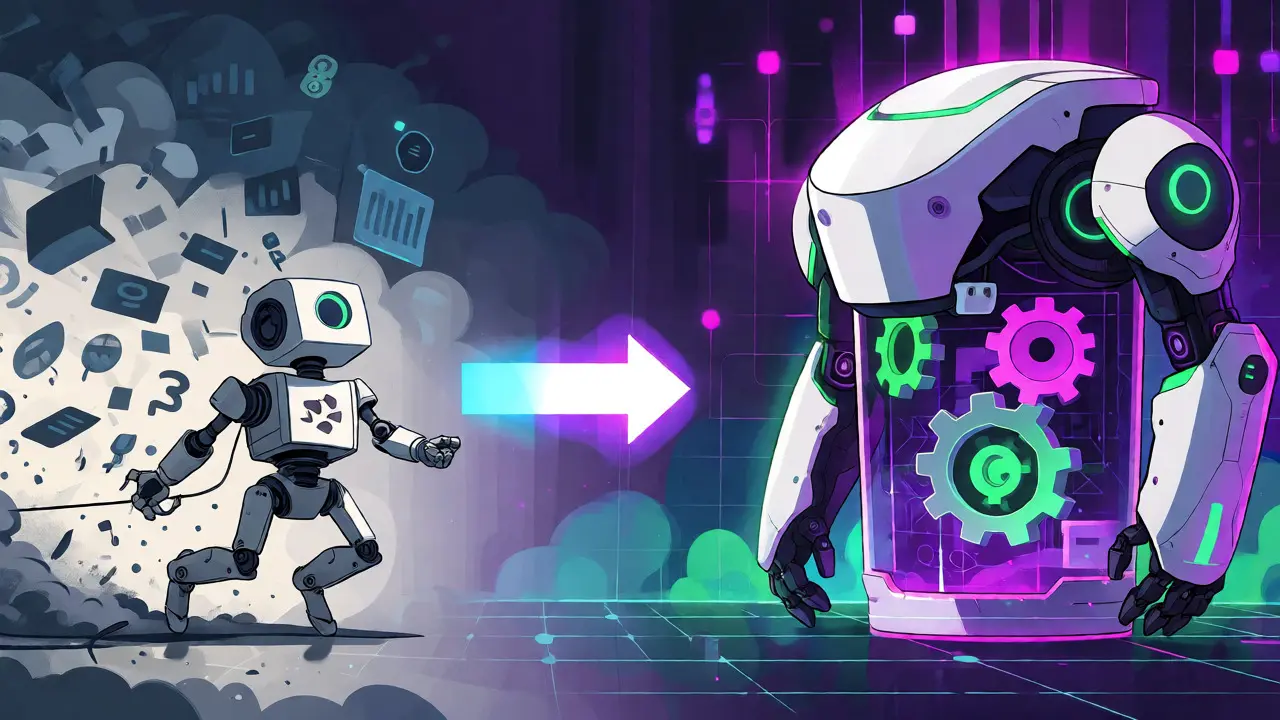
Imagine a blockchain that doesn't just execute code but actively manages your financial strategies without you lifting a finger. That's the core promise of SUPRA, the native cryptocurrency of the Supra network, a vertically integrated MultiVM Layer-1 blockchain designed for "Automatic DeFi" (AutoFi). If you've been watching the crypto space, you might remember Supra starting as an oracle provider. But it has evolved into something much bigger: a one-stop infrastructure layer that bundles oracles, randomness, cross-chain messaging, and automation directly into its core protocol.
This isn't just another smart contract platform trying to be faster than Ethereum. Supra aims to solve a specific problem: the fragmentation of Web3 infrastructure. Instead of relying on external services for data feeds or automation bots, Supra builds these capabilities right into the chain itself. The result is a network where dApps can run self-operating strategies with lower latency and fewer trust assumptions. But what does this mean for the SUPRA token? And should you care about this project in 2026? Let's break down exactly how this ecosystem works, why the token matters, and where it fits in the broader crypto landscape.
The Evolution from Oracles to Full-Stack Infrastructure
To understand where SUPRA is going, you have to look at where it started. The project launched around 2021 under the brand SupraOracles. At that time, the main challenge in DeFi was getting reliable real-world data onto blockchains. Smart contracts are deterministic; they don't know what the price of Bitcoin is unless someone tells them. Traditional oracles were often slow, expensive, or centralized bottlenecks.
Supra solved this by creating a decentralized oracle network that could serve over 90 different chains. But the team realized that providing data wasn't enough. Developers still had to build their own automation logic, manage cross-chain bridges separately, and handle randomness for games or lotteries using third-party tools. So, Supra pivoted. It expanded from being just an oracle provider to becoming a full-stack Layer-1 blockchain. This shift transformed it into a "vertically integrated" platform. In plain English, this means all the critical infrastructure components-data, security, communication, and execution-are owned and operated by the same protocol stack, rather than being stitched together from different vendors.
Understanding the AutoFi Concept
The buzzword you'll see everywhere when researching Supra is AutoFi, short for Automatic DeFi. This isn't just marketing fluff; it represents a fundamental shift in how users interact with decentralized finance. In traditional DeFi, if you want to rebalance your portfolio when ETH drops below $2,000, you need a bot running 24/7 on a server somewhere. If that server goes down, your strategy fails. You also pay gas fees every time that bot executes a transaction.
Supra's AutoFi engine handles this natively on-chain. Because the automation logic is part of the consensus layer, it's more secure and cheaper to run. Imagine setting up a yield farming strategy that automatically moves funds between protocols based on real-time APY data provided by Supra's native oracles. No external bots, no complex script management, just pure on-chain execution. This makes high-frequency trading and complex derivatives strategies accessible to regular users, not just institutional whales with dedicated DevOps teams.
Technical Architecture: MultiVM and IntraLayer
One of the most interesting technical features of Supra is its support for multiple virtual machines, known as MultiVM. Most blockchains force developers to learn a specific language like Solidity (for EVM chains) or Move (for Aptos/Sui). Supra allows developers to write smart contracts in various languages by supporting multiple VMs simultaneously. This lowers the barrier to entry for developers coming from different ecosystems, whether they're used to Python, Rust, or JavaScript.
Beyond the VM, Supra describes its architecture as a cross-chain IntraLayer. Think of this as a coordination layer that sits between Web2 systems and Web3 blockchains. It enables seamless interoperability, allowing data and assets to move across boundaries without the usual friction. For example, a supply chain application tracking physical goods (Web2) can trigger a payment on a blockchain (Web3) instantly, verified by Supra's cryptographic proofs. This integration reduces the "trust gap" that often plagues hybrid applications.
| Feature | Traditional Modular Chain | Supra (Vertically Integrated) |
|---|---|---|
| Data Feeds | External Oracle Provider (e.g., Chainlink) | Native Protocol-Level Oracles |
| Automation | External Bots / Keepers | On-Chain Automation Engine (AutoFi) |
| Cross-Chain Messaging | Third-Party Bridges | Native Cross-Chain Communication |
| Randomness | External VRF Services | Native dVRF (Distributed Verifiable Randomness) |
| Complexity | High (Multiple dependencies) | Low (Single stack) |
SUPRA Token Utility: More Than Just Gas
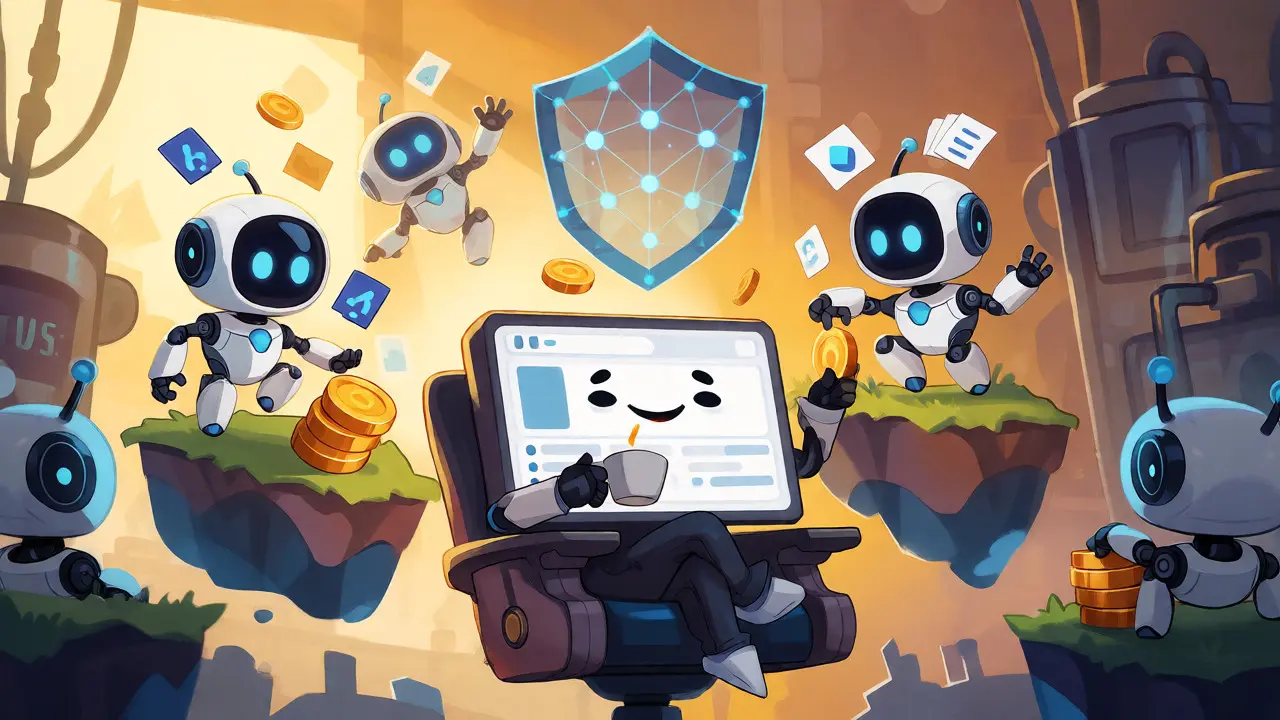
So, what do you actually use the SUPRA token for? It’s not just a speculative asset; it’s the lifeblood of the entire ecosystem. The token serves six distinct roles, ensuring deep utility beyond simple speculation:
- Gas Fees: Every transaction on the Supra Layer-1 requires SUPRA to pay for computation and storage.
- Staking & Security: Validators must stake SUPRA to secure the network. Interestingly, running a node requires staking 55 million SUPRA, which sets a high economic barrier for entry, potentially favoring serious institutional validators.
- Data Access: dApps pay SUPRA to access real-time price feeds and other oracle data. This creates direct demand for the token proportional to usage.
- Governance: Holders can vote on protocol upgrades and treasury allocations, giving the community control over the network's future.
- Work Token: Participants who contribute work, such as relaying messages or providing data, earn SUPRA rewards.
- Subscription Model: Some enterprise-grade services may require SUPRA subscriptions, adding recurring revenue streams to the protocol.
This multi-faceted utility model helps stabilize the token's value. Even if market sentiment dips, the underlying demand for data and automation services continues to burn SUPRA tokens through fee payments.
Tokenomics and Supply Dynamics
If you're looking to invest, understanding the supply schedule is critical. The total maximum supply of SUPRA is capped at 100 billion tokens. As of late September 2026, data providers report varying circulating supply figures, ranging from approximately 15 billion to 44 billion depending on whether staked or vested tokens are counted. This discrepancy highlights the importance of checking live data before making decisions, as vesting schedules for early investors and team members continue to unlock new supply.
The high validator stake requirement mentioned earlier plays a role here too. By requiring 55 million SUPRA per node, the network ensures that validators have significant skin in the game. This aligns incentives: validators lose potential earnings if they act maliciously, protecting the integrity of the oracle and automation services. However, it also means that decentralization relies heavily on large stakeholders, a trade-off common in high-performance Proof-of-Stake networks.
Market Position and Competitive Landscape
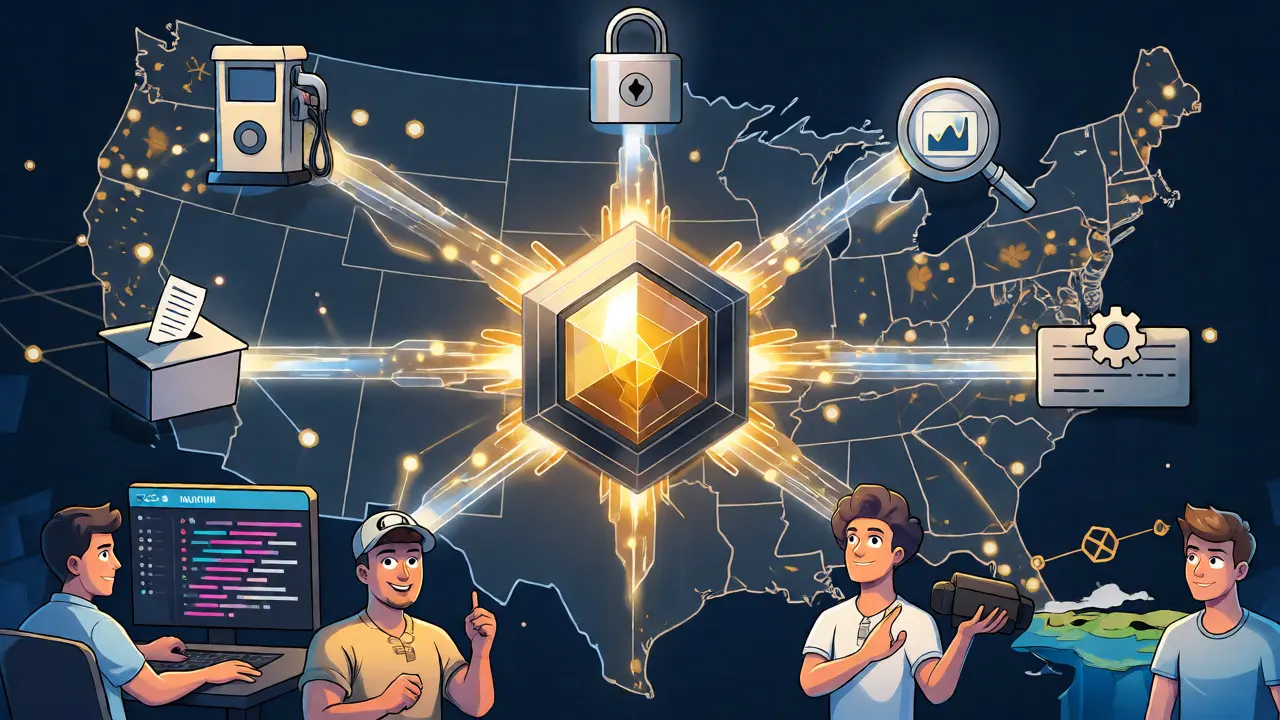
Supra enters a crowded field. On one side, you have established Layer-1s like Solana and Avalanche, which rely on modular add-ons for oracles and automation. On the other, you have specialized oracle networks like Chainlink, which dominate the data feed market but don't offer a full execution environment. Supra tries to bridge this gap by offering an all-in-one solution.
Is this a winning strategy? It depends on developer adoption. If builders prefer the convenience of having everything in one place, Supra gains traction. If they prefer the modularity of choosing best-in-class tools for each job, Supra faces headwinds. Currently, Supra supports over 90 external chains and provides 600+ price feeds, covering crypto, real-world assets (RWA), and equities. This breadth suggests strong initial traction, particularly among projects needing robust cross-chain data.
Risks and Considerations for Investors
No investment is without risk, and Supra has its share. First, the lack of widely publicized independent security audits for its unique DORA (Distributed Oracle Agreement) consensus mechanism might concern conservative investors. While the team emphasizes cryptographic guarantees, transparency in audit reports is crucial for long-term trust.
Second, the competitive moat is thin. If Ethereum implements better native automation or if Chainlink launches its own L2, Supra's value proposition could erode. Third, the high validator stake could lead to centralization risks if a few entities control most of the staked SUPRA. Finally, like all altcoins, SUPRA is highly volatile. Price swings of 8% or more in a single day are not uncommon, driven by broader market sentiment rather than fundamental changes in the protocol.
How to Buy and Use SUPRA
Getting your hands on SUPRA is relatively straightforward. The token is listed on major centralized exchanges like KuCoin and Gate.io, as well as several decentralized exchanges via cross-chain bridges. To use the network, you’ll typically need a compatible wallet that supports the Supra EVM-compatible interface. Once funded, you can stake SUPRA to earn rewards, delegate to validators, or simply hold it to participate in governance votes.
For developers, the process involves interacting with Supra’s SDKs and APIs. Since it supports multiple VMs, you can deploy contracts written in languages familiar to your team. The documentation emphasizes ease of integration, aiming to reduce the boilerplate code usually required for oracle calls and automation triggers.
What is the difference between Supra and Chainlink?
Chainlink is primarily a decentralized oracle network that provides data feeds to many different blockchains. Supra, however, is a full Layer-1 blockchain that includes native oracles, automation, and cross-chain messaging within its own protocol. While Chainlink is modular and works with other chains, Supra offers an integrated environment where these services are built into the base layer.
Why does Supra require 55 million SUPRA to run a node?
This high staking requirement ensures that validators have significant economic security backing their operations. It discourages malicious behavior because losing a large amount of staked tokens is costly. It also helps maintain network stability by limiting the number of active validators to those who are seriously committed to the project's success.
Is SUPRA a good long-term investment?
Long-term viability depends on developer adoption of the AutoFi concept. If developers find value in having integrated oracles and automation, demand for SUPRA will grow. However, competition from other Layer-1s and modular solutions is fierce. Always consider the tokenomics, including vesting schedules and inflation rates, before investing.
What is dVRF in the context of Supra?
dVRF stands for Distributed Verifiable Randomness. It is a service provided natively by the Supra network that generates random numbers on-chain. Unlike traditional pseudo-random generators, dVRF uses cryptographic techniques to ensure that the randomness is unpredictable, unbiased, and verifiable. This is essential for gaming, lotteries, and fair selection processes in DeFi.
Can I stake SUPRA to earn passive income?
Yes, SUPRA holders can stake their tokens to help secure the network and earn rewards. Staking involves locking up your tokens to support the proof-of-stake consensus mechanism. Rewards are distributed from transaction fees and inflationary emissions, though exact yields vary based on network activity and total staked amount.