
Remember the rush of clicking "Join" on a crypto BNU airdrop, hoping for a quick win? For many, that hope was tied to ByteNext, a project aiming to revolutionize how artists trade digital art. But what actually happened with their distribution campaign? If you are digging through your wallet history or researching past projects, understanding the specifics of the ByteNext airdrop is crucial. It wasn't just about free tokens; it was a test case for community engagement in the NFT space.
The Core Mechanics of the Distribution
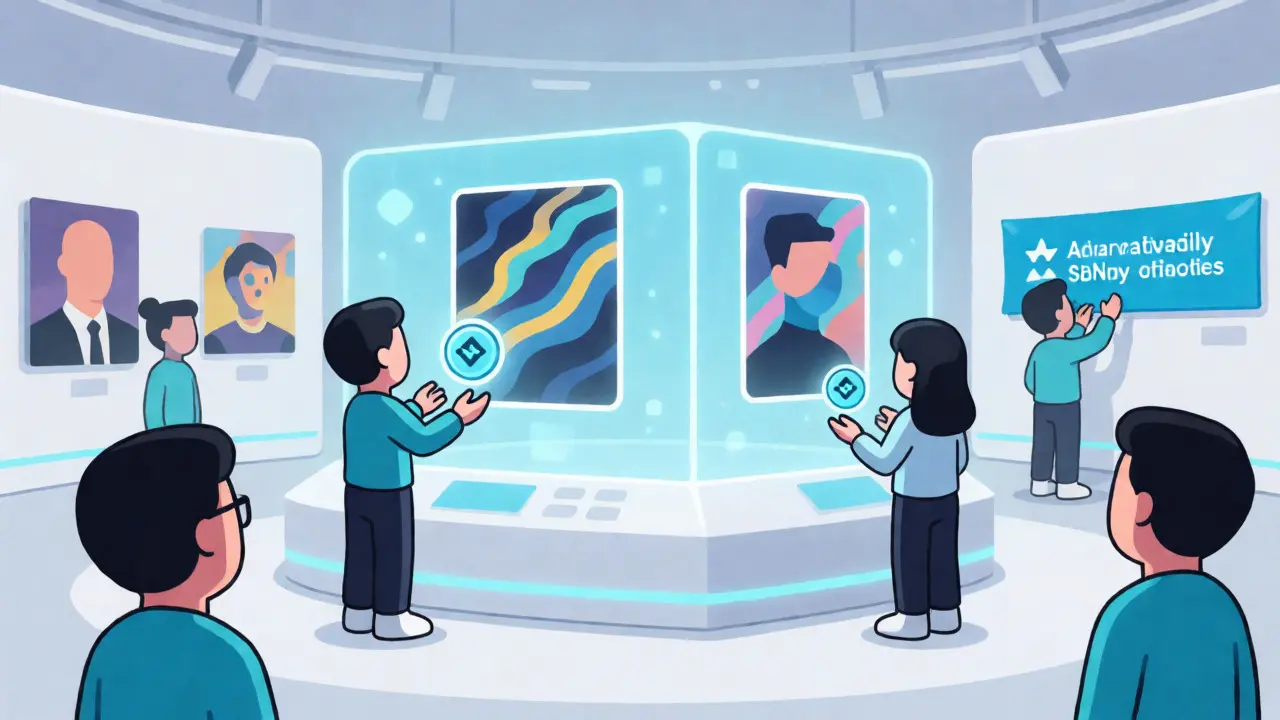
Let's break down exactly what went down. ByteNext launched a targeted campaign to distribute its native token, $BNU, which serves as the utility currency for their ecosystem. The goal was simple: build an initial user base for the AvatarArt NFT Marketplace. This platform allows creators to mint, exhibit, and sell artwork directly on the blockchain without traditional gallery gatekeepers.
The campaign ran for five days, starting July 3 at 2 PM UTC and ending July 8 at 2 PM UTC. They set aside exactly 25,000 $BNU tokens. That might sound like a lot, but when you split it among 1,000 winners, each person received 25 $BNU. Winners were announced on July 15, with actual distribution hitting wallets by July 30. The selection process wasn't first-come-first-served; it was a random draw from qualified participants. This approach aimed to reward genuine engagement rather than bots spamming the entry button.
Step-by-Step Participation Guide
To qualify, users had to jump through several hoops. These weren't arbitrary; they helped the project track who was actually paying attention. Here is what you needed to do:
- Add to Watchlist: You had to add BNU to your CoinMarketCap watchlist via the official token page.
- Social Follows: Following both the main ByteNext Twitter account (@Bytenextio) and the venture partner account (@zeusc_ventures).
- Telegram Membership: Joining the official Telegram group and the announcement channel.
- Retweet and Tag: Retweeting the specific campaign post while tagging at least five followers to spread the word.
- Wallet Setup: Providing a valid Binance Smart Chain (BSC) wallet address for receiving the rewards.
This multi-step verification ensured that participants were active in the community. By requiring social actions, ByteNext boosted its visibility across multiple platforms simultaneously. It’s a classic growth hack, but effective if executed correctly.
Utility of the $BNU Token
Why would anyone want 25 $BNU? The value proposition rested on the token's utility within the AvatarArt ecosystem. Unlike meme coins that rely purely on hype, $BNU had specific functions designed to keep money circulating within the platform.
| Function | Description |
|---|---|
| Transaction Fees | Primary payment method for buying/selling NFTs on the marketplace. |
| Advertising | Purchasing placement slots in 3D virtual reality exhibitions. |
| Royalties | Authorization payments to authors upon completed transactions. |
| Staking & Farming | Liquidity provider pools allowing users to farm yield with NFTs. |
| Governance | Voting rights on platform changes and evaluating NFT works. |
The token operates exclusively on the Binance Smart Chain, chosen for its low transaction fees compared to Ethereum. With a total circulating supply of 200,000,000 BNU, the 25,000 distributed represented only 0.0125% of the total supply. This conservative approach suggested the team wanted to avoid dumping pressure immediately after the airdrop.
Current Market Reality Check
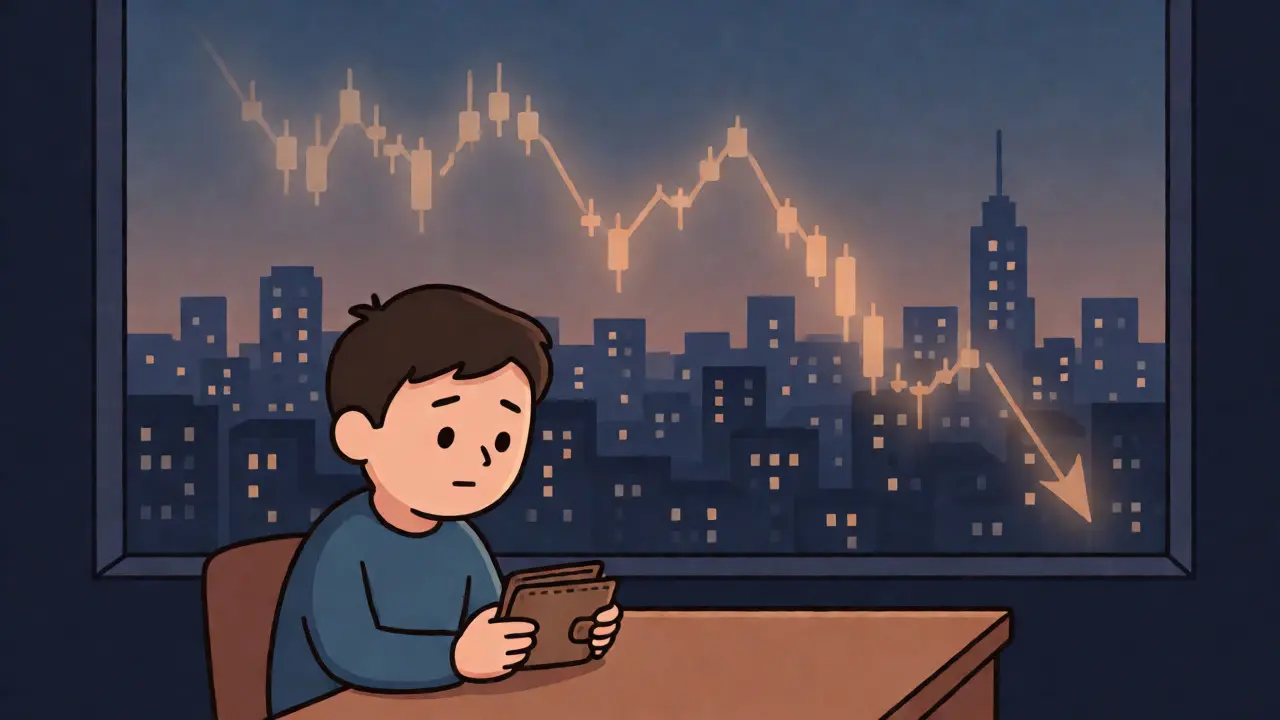
Fast forward to today, August 2026. The excitement of the airdrop has faded into a stark market reality. Data from CoinGecko and Coinbase paints a concerning picture. Trading volume has plummeted. In recent reports, 24-hour trading volume dropped to roughly $4.84 on some exchanges, with others showing near-zero activity. This isn't just a dip; it indicates a severe lack of liquidity.
The price sits around $0.000603 per BNU, which is 18.58% below its all-time high. More alarmingly, year-over-year performance shows a 51.03% decrease. When a token stops trading on major exchanges, it signals that the project may have lost momentum or shifted focus entirely off-chain. For those who held onto their 25 $BNU, the current market cap of approximately $120,584 means these tokens are essentially illiquid assets right now.
Lessons from the ByteNext Campaign
What can we learn from this? First, an airdrop does not guarantee long-term survival. ByteNext focused heavily on building a community, but community alone doesn't sustain a token's value if there is no ongoing development or active trading pair support. Second, always check the exchange listings before assuming you can cash out. Many small-cap NFT tokens suffer from the same fate: high initial interest followed by a gradual fade into obscurity as developers move on to new projects.
If you participated, don't beat yourself up over the current valuation. Treat it as a lesson in due diligence. Look for projects with transparent roadmaps, active GitHub repositories, and consistent communication channels. ByteNext maintained a presence on GitHub and social media, but the lack of trading volume suggests those efforts didn't translate into sustained economic activity.
How many BNU tokens did each winner receive?
Each of the 1,000 selected winners received exactly 25 $BNU tokens. The total pool distributed was 25,000 tokens.
Was the BNU airdrop exclusive to Binance Smart Chain users?
Yes, participants were required to provide a Binance Smart Chain (BSC) wallet address to receive their rewards, as the token operates on the BSC network.
Is the BNU token still actively traded?
As of late 2026, trading activity is minimal. Some exchanges report near-zero volume, indicating very low liquidity and limited market interest compared to its launch period.
What was the purpose of the AvatarArt marketplace?
AvatarArt was designed to empower artists to trade, exhibit, and convert artworks into NFTs freely, using 3D virtual reality exhibitions for greater visibility.
Did I need to pay gas fees to claim the airdrop?
Typically, airdrops are sent directly to your wallet, so you don't pay gas to claim them initially. However, moving the tokens later would require BNB for gas fees on the Binance Smart Chain.